
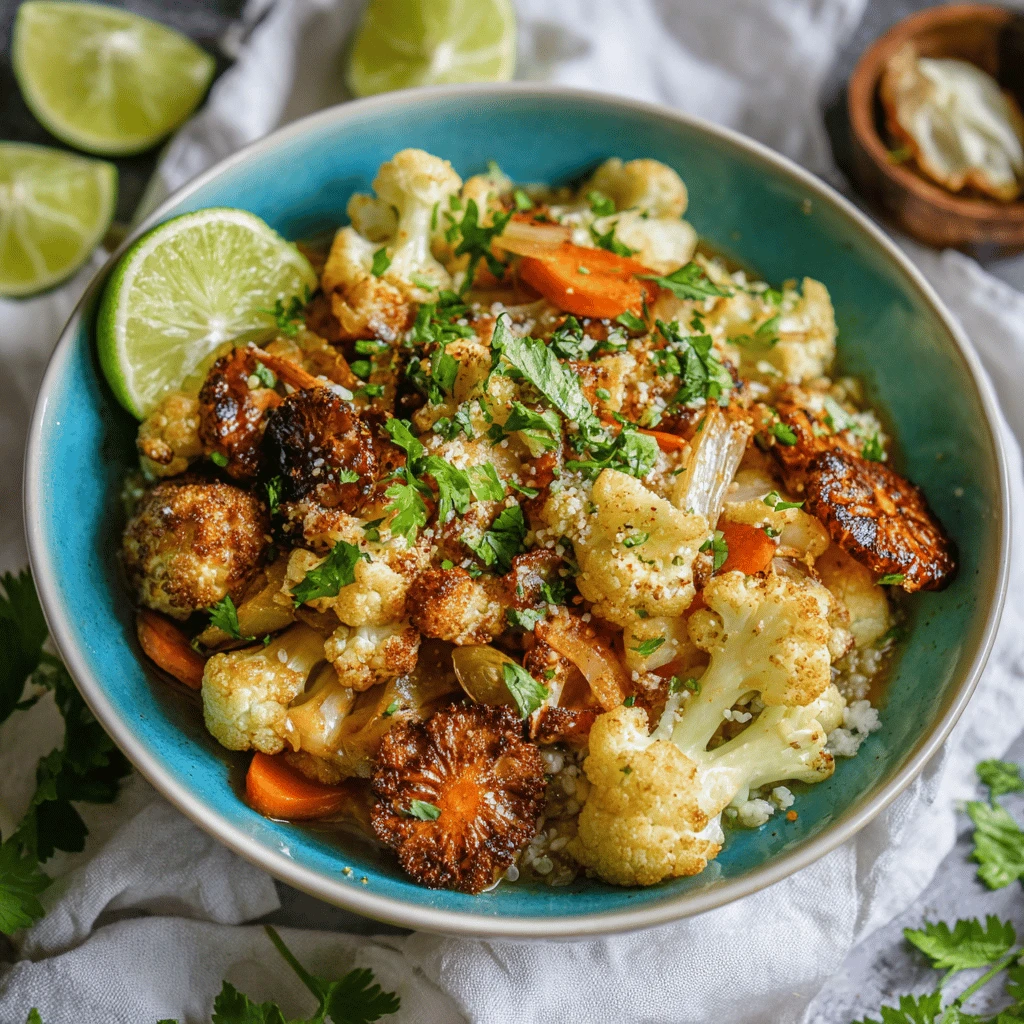
Meal Prep Low Carb Cauliflower Stir Fry
Introduction: The Perfect Low-Carb Meal Prep Solution
In today’s fast-paced world, maintaining a healthy diet can be a challenge. Meal prepping has emerged as a popular strategy for those looking to eat well without sacrificing time or convenience. For individuals following a low-carb lifestyle, finding suitable meal prep options can sometimes feel limiting. However, cauliflower stir-fry offers a delicious, versatile, and incredibly easy-to-prepare solution. This recipe is packed with nutrients, customizable to your taste preferences, and perfect for a week’s worth of satisfying meals. It’s time to discover how cauliflower stir-fry can revolutionize your low-carb meal prep routine.
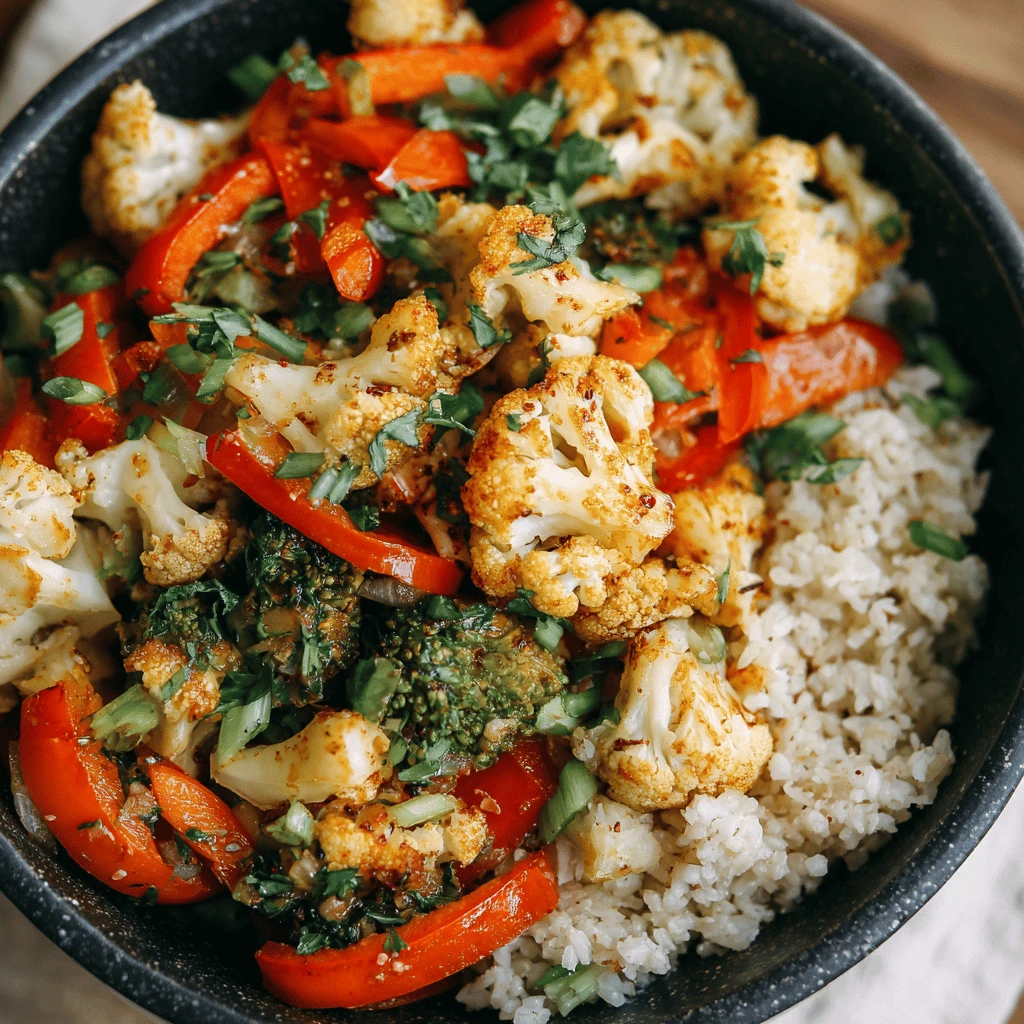
Why Cauliflower Stir Fry is Ideal for Low-Carb Diets
Cauliflower, often hailed as a nutritional powerhouse, is the star of this dish. It’s naturally low in carbohydrates and calories while being rich in vitamins, minerals, and fiber. This makes it an excellent substitute for rice or other grains commonly used in stir-fries.
Health Benefits of Cauliflower
Beyond its low-carb profile, cauliflower offers a range of health benefits. It’s a good source of vitamin C, vitamin K, and several B vitamins. It also contains antioxidants that help protect the body against cellular damage. Furthermore, the fiber content promotes digestive health and helps keep you feeling full and satisfied, which is particularly beneficial for weight management.
Customization and Versatility
One of the best aspects of cauliflower stir-fry is its versatility. You can easily adapt the recipe to your liking by adding different vegetables, proteins, and sauces. This allows for endless variations, preventing meal prep fatigue and ensuring that your meals remain exciting and flavorful. Whether you prefer a spicy kick, a savory umami taste, or a fresh, herby flavor, cauliflower stir-fry can be tailored to your specific preferences.
Crafting the Ultimate Low-Carb Cauliflower Stir Fry: A Step-by-Step Guide
Creating a delicious and satisfying low-carb cauliflower stir-fry is simpler than you might think. Here’s a detailed guide to help you master the recipe and enjoy it as part of your weekly meal prep.
Gathering Your Ingredients
The foundation of any great stir-fry lies in the quality of its ingredients. Here’s a list of the essentials:
- Cauliflower: Opt for a fresh, firm head of cauliflower. You can also use pre-riced cauliflower to save time.
- Protein: Chicken, shrimp, tofu, or beef work well in this dish. Choose your favorite or mix and match.
- Vegetables: Broccoli, bell peppers, carrots, onions, mushrooms, and spinach are excellent additions.
- Sauce: A low-carb stir-fry sauce is crucial. Consider using coconut aminos (a soy sauce alternative), tamari (gluten-free soy sauce), or a homemade sauce made with sesame oil, ginger, garlic, and a touch of sweetener (like erythritol or stevia).
- Oil: Choose a healthy cooking oil like coconut oil, avocado oil, or olive oil.
- Optional Garnishes: Sesame seeds, chopped green onions, and crushed red pepper flakes add flavor and visual appeal.
Step-by-Step Instructions
1. Prepare the Cauliflower: If using a head of cauliflower, wash it thoroughly and cut it into florets. Then, pulse the florets in a food processor until they resemble rice. Alternatively, use pre-riced cauliflower.
2. Prep the Protein and Vegetables: Cut your chosen protein into bite-sized pieces. Chop the vegetables into similar sizes to ensure even cooking.
3. Cook the Protein: Heat a wok or large skillet over medium-high heat. Add the chosen oil and cook the protein until it’s fully cooked through. Remove the protein from the pan and set aside.
4. Stir-Fry the Vegetables: Add more oil to the pan if needed. Add the vegetables and stir-fry until they are tender-crisp, about 5-7 minutes. Start with the vegetables that take longer to cook, like carrots and broccoli, and add the softer vegetables later.
5. Add the Cauliflower Rice: Add the cauliflower rice to the pan and stir-fry for another 3-5 minutes, until it’s slightly softened.
6. Combine and Sauce: Add the cooked protein back to the pan with the vegetables and cauliflower rice. Pour the stir-fry sauce over the mixture and stir well to combine. Cook for another 2-3 minutes, allowing the sauce to thicken slightly and coat all the ingredients.
7. Garnish and Serve: Remove the stir-fry from the heat and garnish with sesame seeds, chopped green onions, and crushed red pepper flakes, if desired. Serve hot and enjoy!
Tips for Perfecting Your Cauliflower Stir-Fry
- Don’t Overcrowd the Pan: Cooking in batches ensures that the vegetables and cauliflower rice brown properly instead of steaming.
- Use High Heat: Stir-frying requires high heat to achieve that characteristic slightly charred flavor.
- Taste and Adjust: Taste the stir-fry before serving and adjust the seasoning as needed. Add more sauce, salt, pepper, or spices to suit your preferences.
- Spice it Up: For a spicier dish, add a dash of sriracha, chili flakes, or a finely chopped chili pepper.
Meal Prep Strategies and Storage Tips
Cauliflower stir-fry is not only delicious and healthy but also incredibly convenient for meal prepping. Here’s how to prepare and store it for the week ahead.
Meal Prep Methods
- Individual Containers: Divide the cooked cauliflower stir-fry into individual meal prep containers. This makes it easy to grab and go for lunch or dinner.
- Portion Control: Pre-portioning your meals helps you control your calorie intake and stay on track with your dietary goals.
- Prep Ahead: You can save even more time by prepping the ingredients in advance. Chop the vegetables, prepare the sauce, and cook the protein on the weekend, then simply assemble the stir-fry during the week.
Storage and Reheating
- Refrigeration: Store the cooked cauliflower stir-fry in airtight containers in the refrigerator for up to 4-5 days.
- Freezing: While cauliflower can sometimes become watery after freezing, stir-fry is generally suitable for freezing. Allow the stir-fry to cool completely before transferring it to freezer-safe containers or bags. Freeze for up to 2-3 months.
- Reheating: Reheat the stir-fry in the microwave or in a skillet over medium heat. Add a splash of water or broth if needed to prevent it from drying out.
Creative Variations and Add-Ins
The possibilities are endless when it comes to customizing your cauliflower stir-fry. Here are a few creative variations and add-ins to inspire you:
- Mediterranean Stir-Fry: Add olives, feta cheese, sun-dried tomatoes, and herbs like oregano and basil.
- Mexican Stir-Fry: Incorporate black beans, corn, salsa, avocado, and a sprinkle of chili powder.
- Indian Stir-Fry: Use curry powder, turmeric, ginger, and coconut milk for a flavorful and aromatic dish.
- Asian-Inspired Stir-Fry: Experiment with different Asian sauces, such as hoisin sauce, oyster sauce (use a vegetarian alternative for vegan diets), or black bean sauce. Add ingredients like water chestnuts, bamboo shoots, and bean sprouts.
Common Mistakes to Avoid
While cauliflower stir-fry is relatively simple to make, there are a few common mistakes that can affect the final result. Avoiding these pitfalls will help you achieve a perfect dish every time.

- Overcooking the Cauliflower: Overcooked cauliflower can become mushy and lose its texture. Be sure to stir-fry it until it’s just tender-crisp.
- Using Too Much Sauce: Overloading the stir-fry with sauce can make it too salty or overpowering. Start with a small amount of sauce and add more to taste.
- Neglecting to Season: Seasoning is crucial for enhancing the flavors of the ingredients. Don’t be afraid to use salt, pepper, and other spices to your liking.
- Skipping the Protein: While a vegetable-only stir-fry can be healthy and delicious, adding a protein source makes it a more complete and satisfying meal.
- Not Using Fresh Ingredients: Fresh ingredients are essential for the best flavor and texture. Whenever possible, use fresh cauliflower, vegetables, and herbs.
Frequently Asked Questions (FAQ)
Q: Can I use frozen cauliflower rice for this recipe?
A: Yes, frozen cauliflower rice works well. Just make sure to thaw it completely and squeeze out any excess moisture before adding it to the pan.
Q: How can I make this recipe vegan?
A: To make this recipe vegan, use tofu or tempeh as your protein source and ensure that your stir-fry sauce is vegan-friendly.
Q: Is cauliflower stir-fry good for weight loss?
A: Yes, cauliflower stir-fry is an excellent option for weight loss. It’s low in calories and carbohydrates, high in fiber, and packed with nutrients.
Q: Can I add nuts to my cauliflower stir-fry?
A: Absolutely! Nuts like almonds, cashews, or peanuts can add a satisfying crunch and healthy fats to your stir-fry.
Q: What are some other vegetables I can include in my stir-fry?
A: The possibilities are endless! Some other great vegetables to include are snap peas, bok choy, kale, and zucchini.