
Comforting Potato Stew: A Heartwarming Recipe for Any Season
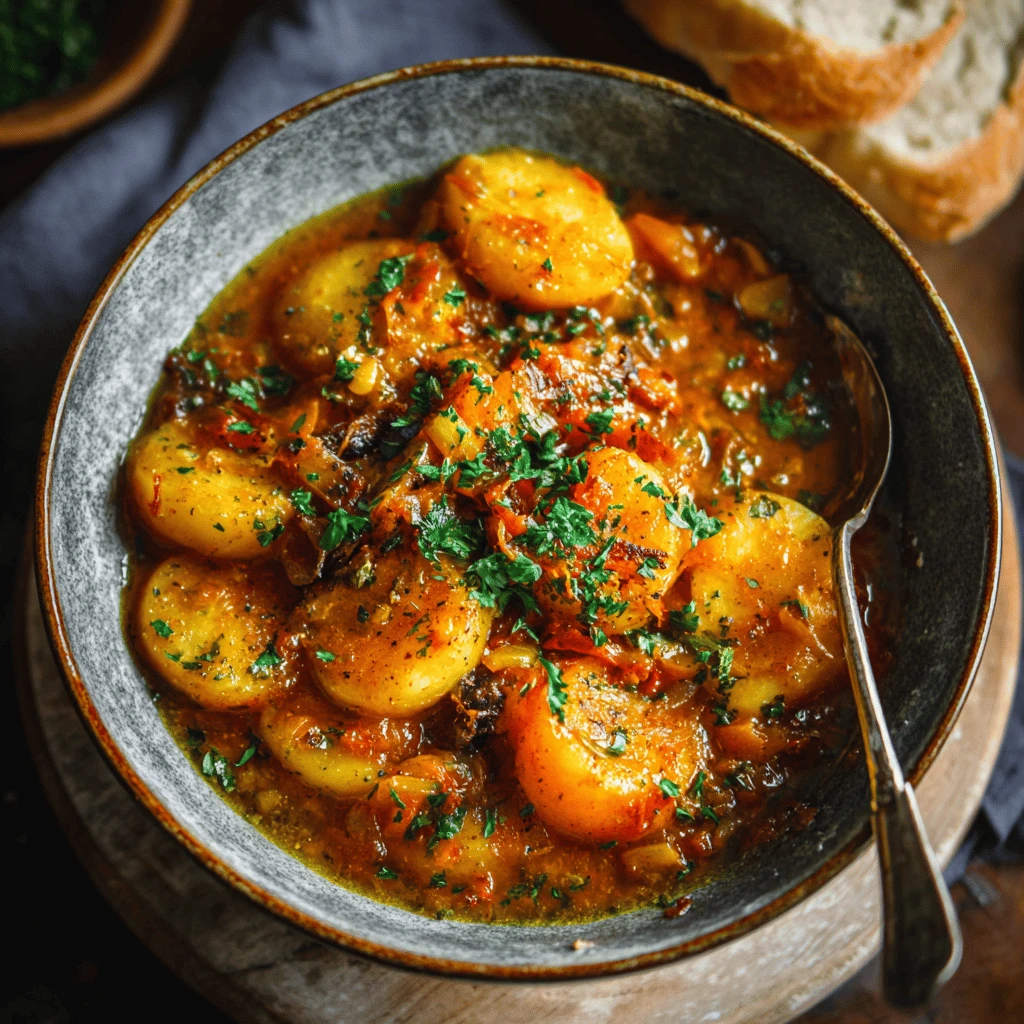
Potato stew. The very words conjure up images of crackling fireplaces, cozy evenings, and the satisfying warmth that only a simple, hearty meal can provide. This humble dish, elevated to culinary heights, transcends cultures and generations, offering a taste of home no matter where you are. This article delves into the art of crafting the perfect comforting potato stew, exploring variations, essential ingredients, and tips for creating a truly unforgettable culinary experience.
The Enduring Appeal of Potato Stew
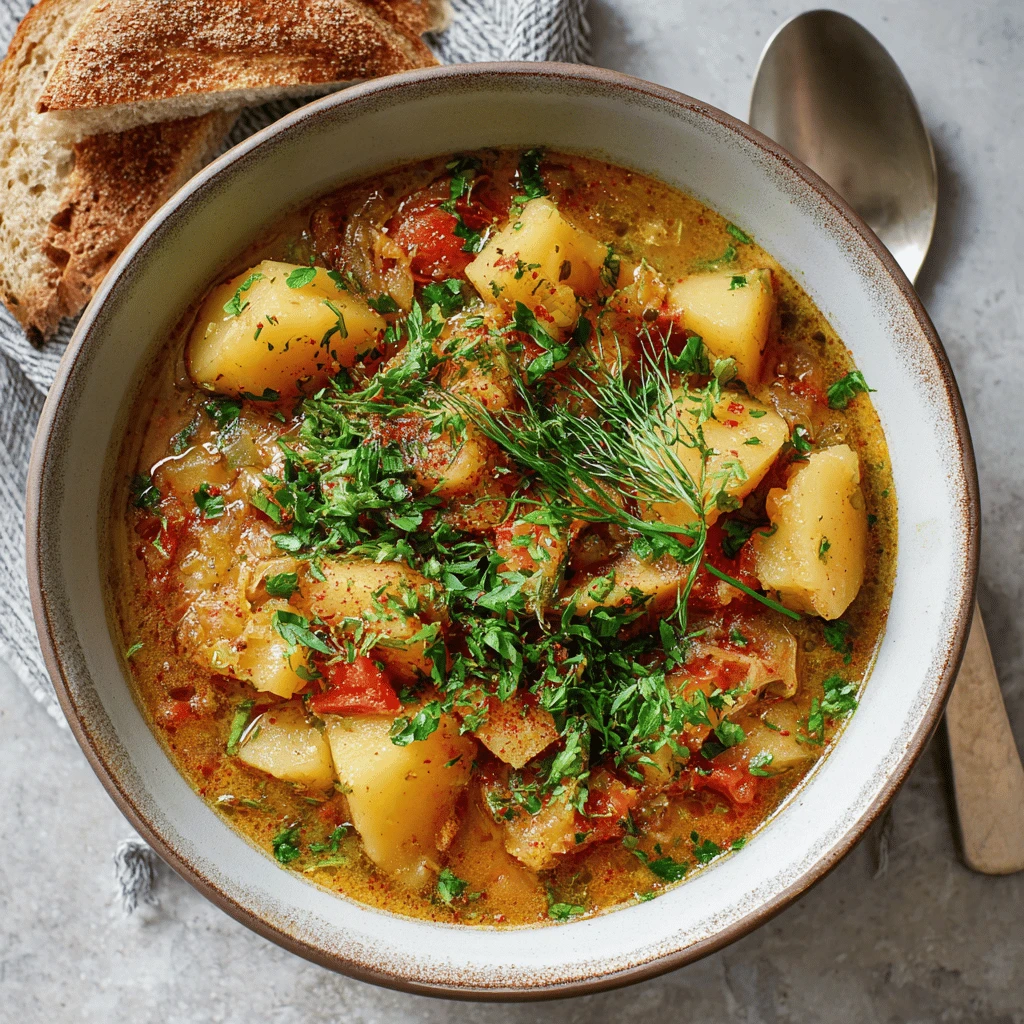
Why is potato stew such a beloved comfort food? The answer lies in its simplicity, affordability, and versatility. Potatoes, a staple in countless cuisines, offer a blank canvas for flavor, readily absorbing the richness of broth, the savory depth of herbs, and the satisfying textures of other vegetables and meats. Beyond its culinary adaptability, potato stew evokes a sense of nostalgia and warmth, reminding us of simpler times and shared meals with loved ones. Its ability to nourish both body and soul makes it a timeless classic.
Crafting the Perfect Potato Stew: Ingredients and Techniques
The foundation of any great potato stew is, of course, the potatoes themselves. Choosing the right variety is crucial. Yukon Gold potatoes, with their creamy texture and slightly sweet flavor, are an excellent choice. Red potatoes, which hold their shape well during cooking, are another popular option. For a rustic touch, consider using a mix of different potato types.
Beyond potatoes, a well-balanced potato stew requires a medley of other ingredients. Onions, carrots, and celery form the aromatic base, adding depth and complexity to the broth. Garlic, a flavor powerhouse, infuses the stew with its pungent aroma. Herbs such as thyme, rosemary, and bay leaf contribute earthy notes that complement the potatoes beautifully.
Protein adds substance and flavor to the stew. Diced bacon, browned sausage, or shredded chicken are all excellent options. For a vegetarian version, consider adding lentils or beans for a protein boost.
The cooking technique is just as important as the ingredients. Sautéing the vegetables before adding the broth allows their flavors to develop and deepen. Using a high-quality broth, whether chicken, vegetable, or beef, is essential for creating a rich and flavorful stew. Simmering the stew gently over low heat allows the flavors to meld together and the potatoes to become tender.
Selecting the Right Potatoes
Choosing the right potato can make or break your stew. Waxy potatoes, like red potatoes and fingerling potatoes, hold their shape well during cooking, making them ideal for stews where you want distinct chunks of potato. Starchy potatoes, like russet potatoes, tend to break down more, creating a thicker, creamier stew. Yukon Gold potatoes offer a balance between the two, providing both texture and creaminess. Experiment with different varieties to find your perfect potato stew preference.
Enhancing the Flavor Profile
While the basic ingredients of potato stew are simple, there are many ways to enhance its flavor profile. A splash of dry wine, such as white or red, adds depth and complexity. A squeeze of lemon juice brightens the flavors and adds a touch of acidity. A dollop of sour cream or plain yogurt stirred in at the end adds richness and tanginess. Don’t be afraid to experiment with different herbs and spices to create your own unique flavor combinations. Smoked paprika, for instance, adds a smoky depth, while a pinch of red pepper flakes adds a touch of heat.
Variations on a Theme: Potato Stew Recipes from Around the World
Potato stew is a global dish, with countless variations reflecting regional ingredients and culinary traditions. In Ireland, potato stew, known as Irish stew, typically includes lamb or mutton, potatoes, onions, and carrots. In France, pot-au-feu, a classic beef stew, often includes potatoes and other root vegetables. In South America, locro, a hearty stew made with potatoes, squash, corn, and meat, is a staple dish.
Irish Potato Stew: A Taste of Tradition
Irish stew is a hearty and flavorful dish that embodies the essence of comfort food. Traditionally made with lamb or mutton, potatoes, onions, and carrots, this stew is simmered slowly until the meat is tender and the vegetables are infused with flavor. Some variations include barley or other grains for added heartiness. A simple seasoning of salt, pepper, and thyme is all that’s needed to create a truly satisfying meal.
French Pot-au-Feu: A Culinary Masterpiece
Pot-au-feu is a classic French beef stew that is both elegant and rustic. The broth is simmered for hours with beef, bones, and aromatic vegetables, creating a rich and flavorful base. Potatoes, carrots, leeks, and turnips are often added towards the end of cooking. Pot-au-feu is typically served in two courses: first, the broth is enjoyed as a soup, followed by the meat and vegetables.
South American Locro: A Celebration of Flavors
Locro is a hearty and flavorful stew that is popular in several South American countries, including Argentina, Ecuador, and Peru. The stew is made with potatoes, squash, corn, beans, and meat, typically beef or pork. Different regions have their own unique variations, with some adding cheese, chili peppers, or other local ingredients. Locro is a celebration of the bounty of the land and a testament to the power of simple, wholesome ingredients.
Tips and Tricks for the Best Potato Stew
- Don’t Overcook the Potatoes: Overcooked potatoes can become mushy and detract from the overall texture of the stew. Add the potatoes towards the end of cooking and cook until they are tender but still hold their shape.
- Use High-Quality Broth: The broth is the foundation of the stew, so using a high-quality broth is essential. Homemade broth is always best, but store-bought broth can also be used. Look for low-sodium options to control the salt level of the stew.
- Season Generously: Potatoes can absorb a lot of salt, so be sure to season the stew generously. Taste as you go and adjust the seasoning as needed.
- Let the Stew Rest: Letting the stew rest for at least 30 minutes after cooking allows the flavors to meld together and deepen. This also gives the stew a chance to thicken.
- Garnish with Fresh Herbs: A sprinkle of fresh herbs, such as parsley, chives, or dill, adds a touch of freshness and brightness to the finished stew.
Serving and Storing Your Potato Stew
Potato stew is delicious served on its own, but it also pairs well with crusty bread, a side salad, or a dollop of sour cream or yogurt. Leftover potato stew can be stored in an airtight container in the refrigerator for up to three days. Reheat gently on the stovetop or in the microwave. Potato stew also freezes well. Freeze in individual portions for a quick and easy meal.
Frequently Asked Questions About Potato Stew
- What kind of potatoes are best for stew? Yukon Gold potatoes are a great all-around choice, offering a creamy texture and holding their shape well. Red potatoes are also good for maintaining their shape, while russet potatoes will break down more and create a thicker stew.
- How can I thicken my potato stew? You can thicken potato stew by mashing some of the potatoes, adding a cornstarch slurry (cornstarch mixed with cold water), or simmering the stew uncovered for a longer period of time to allow the liquid to evaporate.
- Can I make potato stew in a slow cooker? Yes, potato stew is a great candidate for slow cooking. Simply combine all the ingredients in the slow cooker and cook on low for 6-8 hours or on high for 3-4 hours.
- Can I freeze potato stew? Yes, potato stew freezes well. Allow the stew to cool completely before transferring it to an airtight container or freezer bag. Thaw overnight in the refrigerator before reheating.
- What can I add to potato stew for more flavor? There are many ways to add more flavor to potato stew. Consider adding herbs like thyme, rosemary, or bay leaf. Spices like smoked paprika, cumin, or chili powder can also add depth. A splash of wine, lemon juice, or Worcestershire sauce can brighten the flavors.