
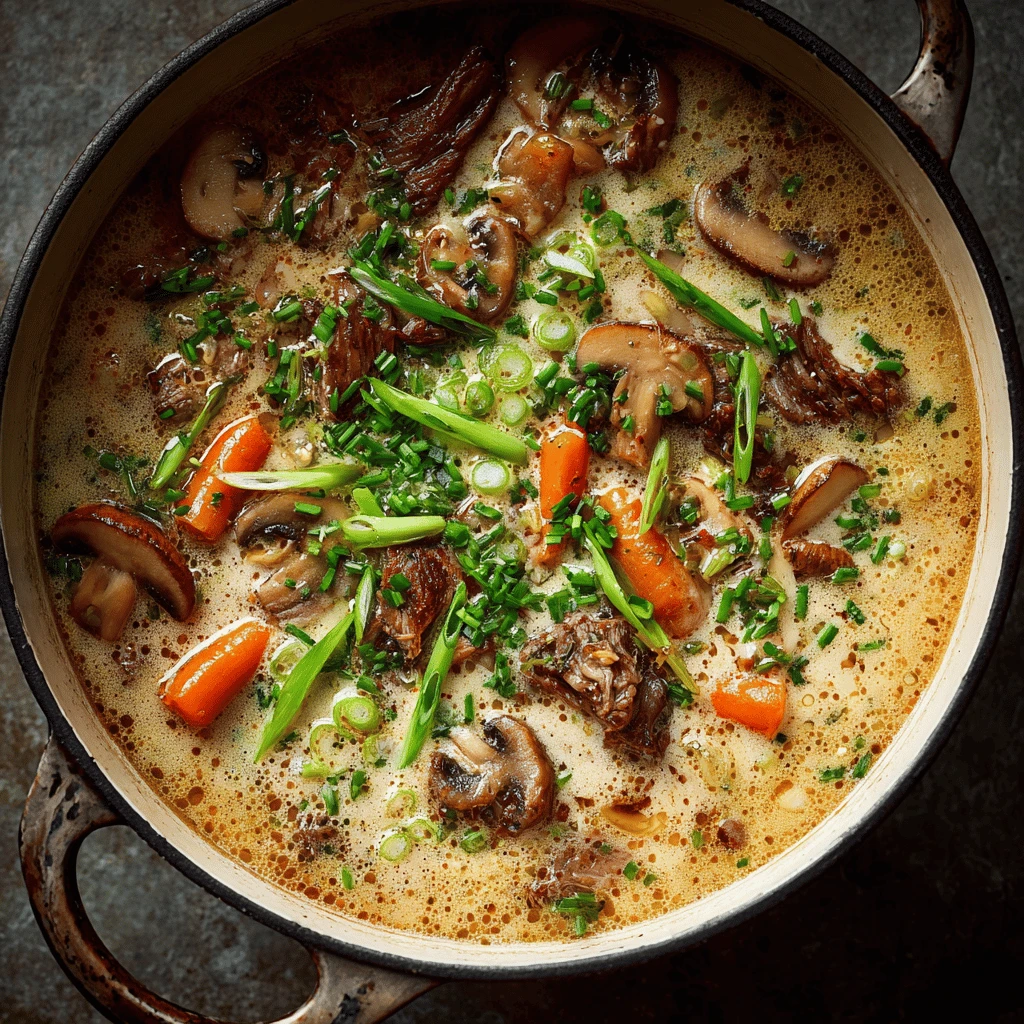
Creamy Beef Broth: A Comforting and Flavorful Elixir
Beef broth, a culinary cornerstone, takes on a luxurious dimension when transformed into a creamy, rich elixir. Whether you’re seeking a soothing remedy for a cold, a sophisticated starter for a dinner party, or simply a comforting meal, creamy beef broth delivers on all fronts. This article explores the art of crafting the perfect creamy beef broth, offering tips, variations, and serving suggestions to elevate your culinary experience.
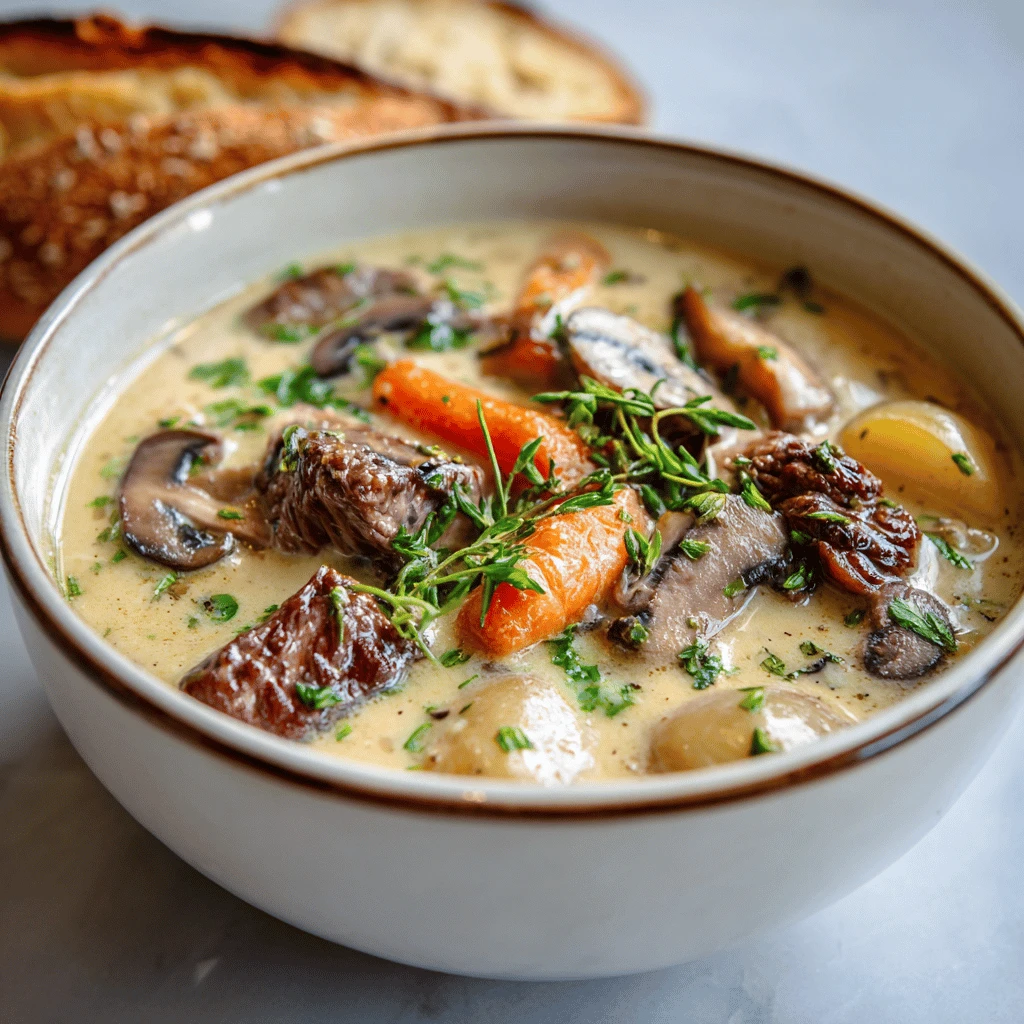
Understanding the Essence of Beef Broth
Before diving into the creamy rendition, it’s essential to understand the fundamentals of a good beef broth. The foundation of any great broth lies in the quality of the ingredients and the patience of the simmering process.
Choosing the Right Beef Bones
The key to a deeply flavored beef broth starts with the right bones. Options include marrow bones, knuckle bones, and oxtail. Marrow bones contribute richness and body, while knuckle bones provide gelatin, resulting in a more viscous broth. Oxtail, though pricier, imparts a distinctive, beefy flavor. A combination of bone types can yield the most complex and satisfying result.
- Marrow Bones: Render a rich, fatty flavor.
- Knuckle Bones: Add collagen, creating a silky texture.
- Oxtail: Infuses a robust, beefy depth.
The Importance of Aromatics and Vegetables
Aromatics and vegetables are indispensable for adding layers of flavor to the broth. The classic mirepoix—onion, carrot, and celery—forms the base, but feel free to experiment with other vegetables like leeks, parsnips, or mushrooms. Herbs such as thyme, rosemary, and bay leaf lend fragrant notes, while peppercorns add a subtle spice. Roasting the bones and vegetables before simmering deepens their flavor and adds a desirable caramelized quality.
The Simmering Process: Patience is Key
The simmering process is where the magic happens. A long, slow simmer extracts the maximum flavor and nutrients from the bones and vegetables. Avoid boiling, which can cloud the broth and result in a bitter taste. Aim for a gentle simmer for at least 4-6 hours, or even longer for an even more concentrated flavor. Skim off any impurities that rise to the surface during the simmering process to maintain a clear broth.
Crafting the Creamy Texture
Transforming a simple beef broth into a creamy delicacy requires a delicate touch and a strategic approach.
Methods for Achieving Creaminess
Several methods can be used to achieve the desired creamy texture, each with its own advantages and disadvantages.
- Heavy Cream: The simplest and most direct method involves adding heavy cream to the finished broth. This provides a rich, luxurious mouthfeel and a smooth, velvety texture. Start with a small amount and adjust to your preference.
- Crème Fraîche: Similar to heavy cream, crème fraîche offers a slightly tangy flavor that complements the beef broth beautifully. It also holds up better to heat than heavy cream, making it less likely to curdle.
- Coconut Cream: For a dairy-free option, coconut cream can be used to achieve a similar creamy texture. Choose full-fat coconut cream and whisk it in gently to avoid curdling. It will also impart a subtle coconut flavor.
- Pureed Vegetables: Adding pureed cooked vegetables, such as potatoes, cauliflower, or butternut squash, is a healthy and natural way to thicken the broth and add creaminess. These vegetables blend seamlessly into the broth and contribute additional nutrients and flavor.
- Cornstarch Slurry: A cornstarch slurry can be used to thicken the broth without adding fat or dairy. Mix cornstarch with cold water until smooth, then whisk it into the simmering broth until it thickens to your desired consistency.
Enhancing the Flavor Profile
Beyond creaminess, consider enhancing the flavor profile with additional ingredients that complement the beef and creamy texture.
- Sherry or Madeira: A splash of sherry or Madeira adds a subtle nutty sweetness and depth of flavor.
- Worcestershire Sauce: A dash of Worcestershire sauce provides a savory umami boost.
- Dijon Mustard: A small amount of Dijon mustard adds a tangy kick and helps to emulsify the cream.
- Fresh Herbs: Fresh herbs like parsley, chives, or dill add a bright, fresh flavor.
- Lemon Juice: A squeeze of lemon juice adds acidity and balances the richness of the cream.
Avoiding Common Mistakes
Achieving a perfect creamy beef broth requires avoiding a few common pitfalls.
- Overheating Cream: Overheating cream can cause it to curdle. Add cream towards the end of the cooking process and heat gently over low heat.
- Adding Acid Too Early: Adding acidic ingredients like lemon juice or vinegar too early can also cause cream to curdle. Add them towards the end of the cooking process.
- Using Low-Quality Ingredients: The quality of the ingredients will directly impact the flavor of the broth. Use high-quality beef bones, fresh vegetables, and good-quality cream.
- Rushing the Simmering Process: Patience is key to extracting the maximum flavor from the bones and vegetables. Avoid rushing the simmering process.
Variations and Additions
Creamy beef broth serves as a versatile base for various culinary creations. Experiment with different ingredients and flavor combinations to create unique and satisfying dishes.
Hearty Soups
Transform creamy beef broth into a hearty soup by adding vegetables, grains, or protein.
- Beef and Barley Soup: Add cooked barley, diced carrots, celery, and cooked beef to the broth for a filling and nutritious soup.
- Mushroom Soup: Sauté sliced mushrooms in butter or olive oil, then add them to the broth along with a splash of sherry.
- Potato Soup: Add diced potatoes to the broth and simmer until tender. Puree a portion of the soup for a creamier texture.
Elegant Sauces
Creamy beef broth can be used as the base for elegant sauces to accompany steak, pasta, or vegetables.
- Mushroom Sauce: Sauté sliced mushrooms, shallots, and garlic in butter or olive oil, then deglaze the pan with sherry or Madeira. Add the creamy beef broth and simmer until thickened.
- Peppercorn Sauce: Add crushed peppercorns to the broth along with a splash of brandy. Simmer until thickened and finish with a pat of butter.
- Red Wine Reduction Sauce: Reduce red wine in a saucepan until syrupy, then add the creamy beef broth and simmer until thickened.
Noodle Bowls
Create comforting noodle bowls by pouring creamy beef broth over cooked noodles and toppings.
- Beef Noodle Soup: Add cooked egg noodles, sliced beef, scallions, and a soft-boiled egg to the broth.
- Ramen-Inspired Bowl: Use ramen noodles and top with sliced pork belly, bamboo shoots, seaweed, and a marinated egg.
- Asian-Inspired Broth: Add ginger, garlic, soy sauce, and sesame oil to the broth for an Asian-inspired flavor. Top with rice noodles, tofu, and vegetables.
Serving and Storing Creamy Beef Broth
Proper serving and storage techniques are essential for preserving the flavor and quality of your creamy beef broth.
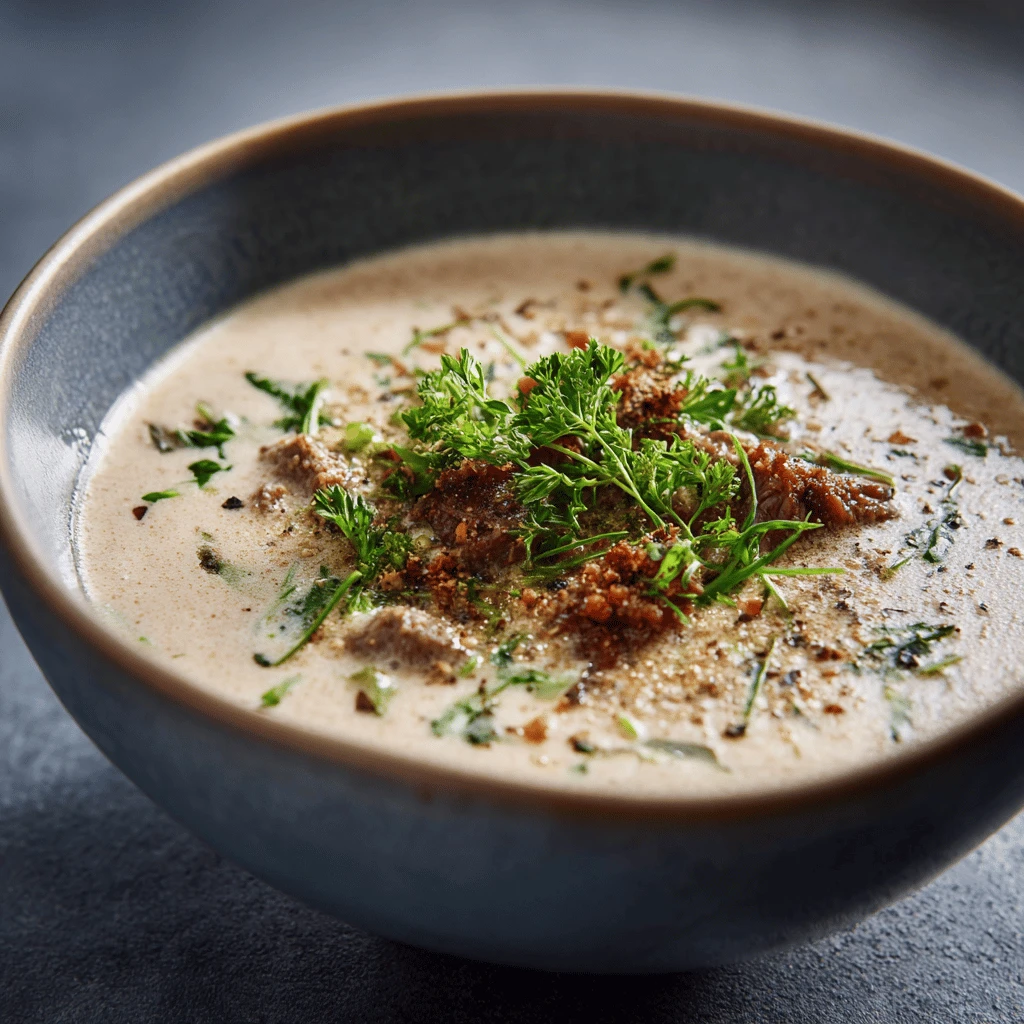
Serving Suggestions
- Garnish: Garnish with fresh herbs, a swirl of cream, or a sprinkle of Parmesan cheese.
- Bread: Serve with crusty bread for dipping.
- Temperature: Serve hot or warm.
Storage Instructions
- Refrigeration: Store leftover broth in an airtight container in the refrigerator for up to 3-4 days.
- Freezing: Freeze broth in freezer-safe containers for up to 2-3 months. Thaw overnight in the refrigerator before reheating.
- Reheating: Reheat gently over low heat, stirring occasionally. Avoid boiling.
Frequently Asked Questions (FAQ)
-
- Can I use store-bought beef broth instead of making my own?
While homemade broth is ideal for maximum flavor, you can use store-bought beef broth in a pinch. Opt for a low-sodium, high-quality brand and adjust seasonings as needed.
-
- How do I prevent the cream from curdling?
Add cream towards the end of the cooking process and heat gently over low heat. Avoid boiling and adding acidic ingredients too early.
-
- Can I make this recipe dairy-free?
Yes, you can substitute coconut cream or pureed vegetables for heavy cream to achieve a dairy-free creamy texture.
-
- What kind of bones are best for beef broth?
A combination of marrow bones, knuckle bones, and oxtail yields the most complex and flavorful broth.
-
- How long should I simmer the broth?
Simmer the broth for at least 4-6 hours, or even longer for an even more concentrated flavor.