

Simple Low Carb Pumpkin Curry
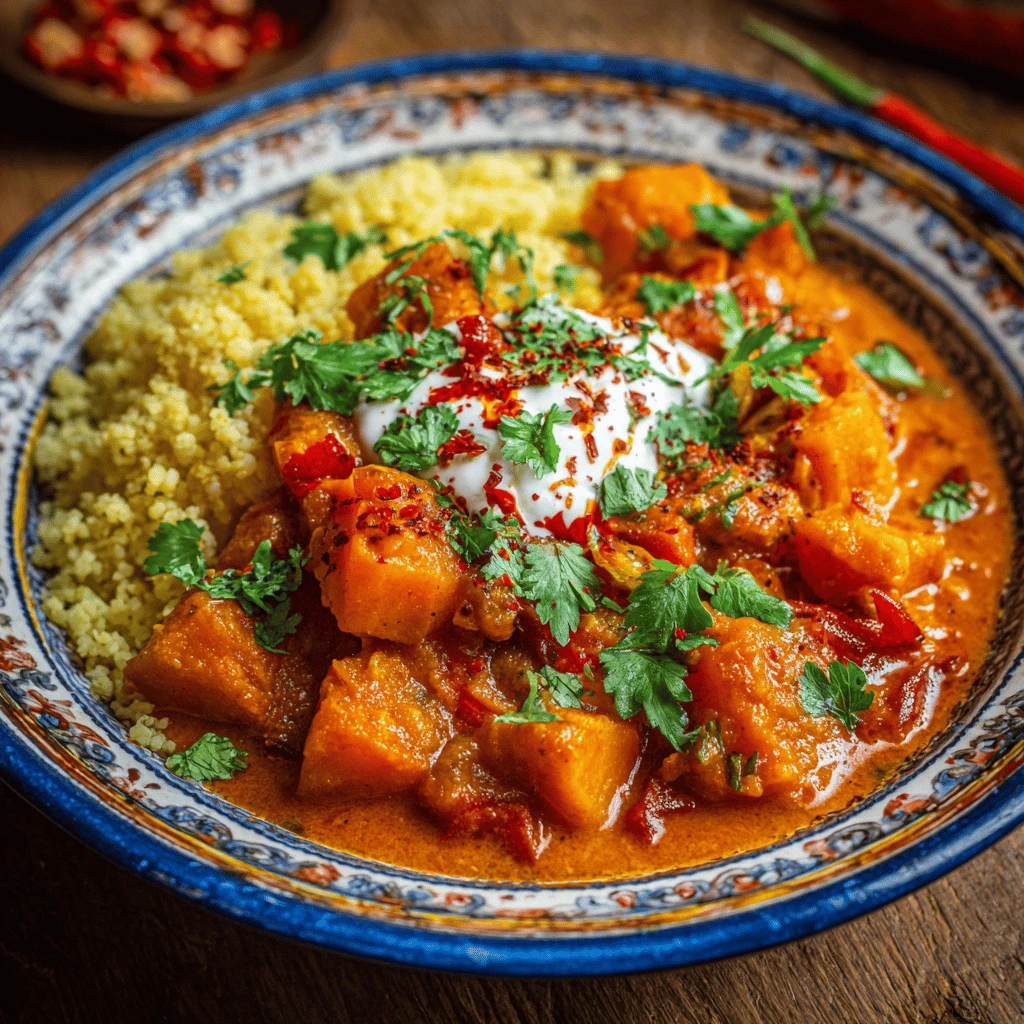
Pumpkin curry is a comforting and flavorful dish, perfect for cooler weather. This recipe offers a simple, low-carb version that doesn’t compromise on taste. Whether you’re following a ketogenic diet or just looking to reduce your carb intake, this pumpkin curry will become a new favorite.

What Makes This Pumpkin Curry Low Carb?
Traditional curries often rely on ingredients high in carbohydrates like rice, potatoes, and added sugars. This recipe focuses on naturally low-carb ingredients while maximizing flavor and texture. The key adjustments are:
- Replacing Rice: Instead of serving the curry with rice, consider cauliflower rice, shirataki noodles, or even just enjoying it as a hearty soup.
- Limiting Sweeteners: Traditional pumpkin recipes often include sugar. This recipe uses a sugar substitute like stevia or erythritol sparingly, if at all, and relies on the natural sweetness of pumpkin.
- Focusing on Healthy Fats: Coconut milk and oil provide the richness and satiety often associated with carbs, keeping you feeling full and satisfied.
- Adding Protein: Including protein sources such as chicken, shrimp, or tofu adds substance and helps balance the meal.
A Step-by-Step Guide to Making Low Carb Pumpkin Curry
This recipe is designed to be easy to follow and customizable to your preferences.
Ingredients:
- 1 tablespoon coconut oil or olive oil
- 1 onion, chopped
- 2 cloves garlic, minced
- 1 inch ginger, grated
- 1 red bell pepper, chopped
- 1 (15-ounce) can pumpkin puree (not pumpkin pie filling)
- 1 (13.5-ounce) can full-fat coconut milk
- 2 tablespoons curry powder (or to taste)
- 1 teaspoon turmeric powder
- 1/2 teaspoon cumin powder
- 1/4 teaspoon cayenne pepper (optional, for heat)
- 1 pound protein of your choice (chicken, shrimp, tofu, or chickpeas)
- Salt and pepper to taste
- Optional toppings: chopped cilantro, lime wedges, a dollop of unsweetened yogurt or sour cream
Instructions:
1. Sauté the Aromatics: Heat the coconut oil in a large pot or Dutch oven over medium heat. Add the chopped onion and cook until softened, about 5 minutes. Add the minced garlic and grated ginger and cook for another minute until fragrant.
2. Add the Bell Pepper and Protein: Add the chopped red bell pepper and protein of your choice to the pot. Cook until the bell pepper is slightly softened and the protein is cooked through. If using tofu, you may want to press it first to remove excess water and then cube it before adding it to the pot.
3. Stir in the Spices: Add the curry powder, turmeric powder, cumin powder, and cayenne pepper (if using) to the pot. Cook for another minute, stirring constantly, to toast the spices and release their flavors.
4. Add the Pumpkin Puree and Coconut Milk: Pour in the pumpkin puree and coconut milk. Stir well to combine all the ingredients.
5. Simmer: Bring the mixture to a simmer, then reduce the heat to low and cover the pot. Let the curry simmer for at least 15 minutes, or up to 30 minutes, to allow the flavors to meld together. Stir occasionally to prevent sticking.
6. Season and Serve: Season the curry with salt and pepper to taste. If you find the curry is too thick, you can add a little water or chicken broth to thin it out. Serve hot, garnished with chopped cilantro, a squeeze of lime, and a dollop of unsweetened yogurt or sour cream, if desired.
7. Serving Suggestions: Serve over cauliflower rice or shirataki noodles for a complete low-carb meal. You can also enjoy it as a soup on its own.
Tips and Variations for the Perfect Low Carb Pumpkin Curry
- Adjust the Spice Level: Control the heat by adjusting the amount of cayenne pepper. Start with a small amount and add more to taste. You can also use a spicier curry powder.
- Add Vegetables: Feel free to add other low-carb vegetables like spinach, zucchini, or mushrooms to the curry. Add them along with the bell pepper for the best results.
- Use Different Proteins: Experiment with different proteins to find your favorite combination. Chicken, shrimp, tofu, and chickpeas all work well in this curry.
- Make it Creamier: For an even creamier curry, add a tablespoon of coconut cream along with the coconut milk.
- Freeze for Later: This curry freezes well, making it a great option for meal prepping. Let it cool completely before transferring it to an airtight container and freezing.
- Use Fresh Pumpkin: While canned pumpkin puree is convenient, you can also use fresh pumpkin. Roast the pumpkin until tender, then scoop out the flesh and puree it in a food processor. You’ll need about 2 cups of pumpkin puree for this recipe.
- Consider Adding Lime Juice or Fish Sauce: A squeeze of lime juice right before serving can brighten up the flavors. A teaspoon of fish sauce (use sparingly, and omit for vegetarian/vegan) can also add depth.
Health Benefits of Low Carb Pumpkin Curry
Beyond being delicious and satisfying, this low-carb pumpkin curry offers several potential health benefits:
- Rich in Nutrients: Pumpkin is packed with vitamins and minerals, including vitamin A, vitamin C, and potassium.
- High in Fiber: Pumpkin is a good source of fiber, which can help with digestion and promote feelings of fullness.
- Supports Weight Loss: By being low in carbs and high in healthy fats and protein, this curry can help support weight loss efforts.
- Anti-Inflammatory Properties: The spices used in this curry, such as turmeric and ginger, have anti-inflammatory properties.
- Boosts Immunity: The vitamin C and antioxidants in pumpkin can help boost your immune system.
Frequently Asked Questions About Low Carb Pumpkin Curry
- Is pumpkin actually low carb? Yes, pumpkin is relatively low in carbohydrates compared to other starchy vegetables like potatoes. One cup of cooked pumpkin contains about 20 grams of carbohydrates, but also 7 grams of fiber, resulting in a net carb count of approximately 13 grams. This makes it suitable for many low-carb diets, especially when consumed in moderation.
- Can I use pumpkin pie filling instead of pumpkin puree? No, pumpkin pie filling contains added sugars and spices, which will significantly increase the carb count of the recipe and alter the flavor profile. Be sure to use 100% pure pumpkin puree.
- What can I use instead of coconut milk? While coconut milk adds a rich, creamy texture and flavor, you can substitute it with heavy cream or almond milk for a slightly different flavor profile. However, keep in mind that almond milk will result in a thinner curry.
- How long does low carb pumpkin curry last in the fridge? Properly stored in an airtight container in the refrigerator, low carb pumpkin curry can last for 3-4 days.
- Can I make this recipe vegan? Absolutely! Simply use tofu or chickpeas as your protein source and ensure that your curry powder does not contain any animal-derived ingredients.