
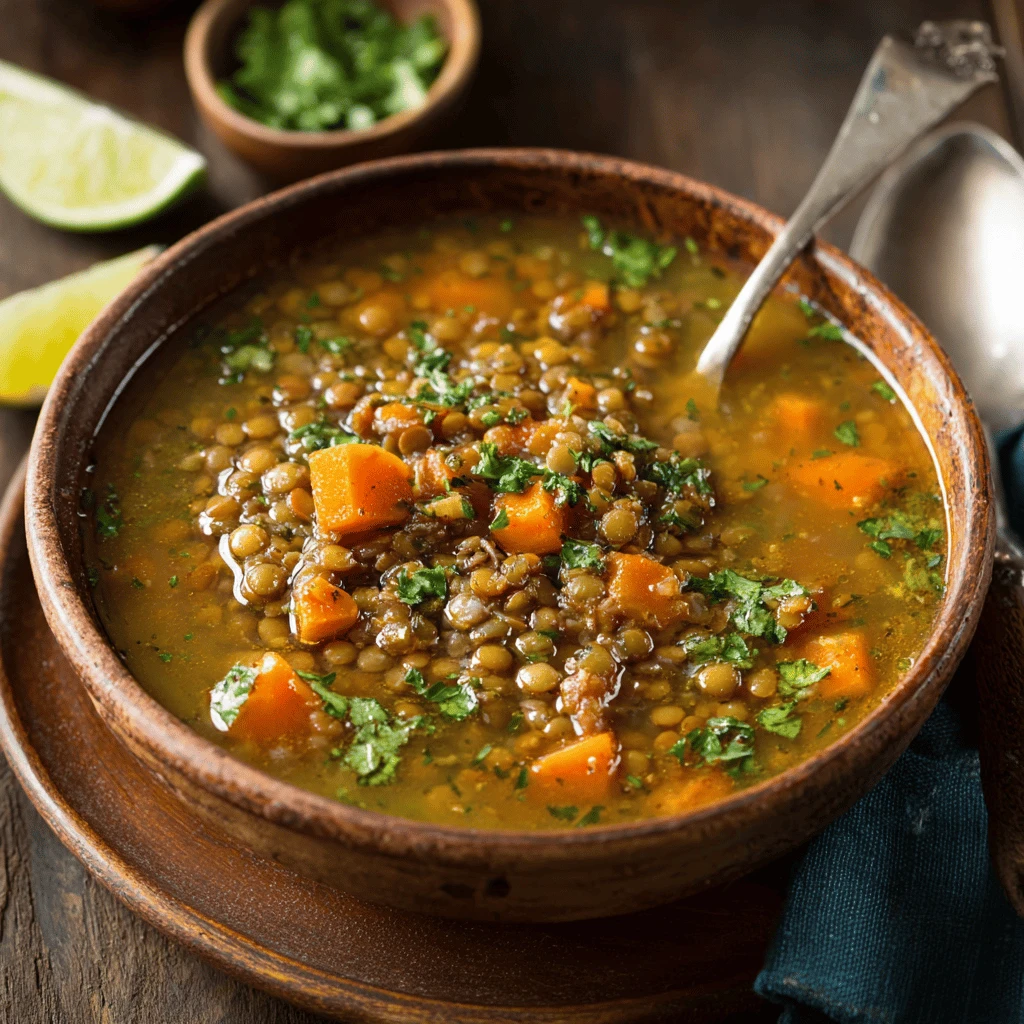
Crockpot Lentil Broth: A Simmering Symphony of Flavor and Health
Lentil broth, a humble yet powerfully nutritious concoction, is a fantastic way to nourish your body and reduce food waste. By simmering lentils and vegetable scraps in your slow cooker, you can create a flavorful, vitamin-rich broth that’s perfect for soups, stews, sauces, or even as a warm and comforting drink. This guide explores the benefits of making lentil broth in your crockpot, offers a detailed recipe, and provides tips for customization and storage.

Why Choose Crockpot Lentil Broth?
The crockpot, or slow cooker, is an ideal tool for making lentil broth. The gentle, consistent heat extracts maximum flavor and nutrients from the lentils and vegetables, creating a richer and more satisfying broth than you might achieve on the stovetop. Beyond flavor, crockpot lentil broth offers several advantages:
- Convenience: Simply toss the ingredients into the crockpot, set it, and forget it. The slow cooking process requires minimal supervision.
- Nutrient Extraction: Low and slow cooking allows for maximum nutrient release from both lentils and vegetable scraps.
- Waste Reduction: Utilize vegetable scraps that would otherwise be discarded, promoting sustainable cooking practices. Onion peels, carrot tops, celery ends, and mushroom stems are all great additions.
- Cost-Effective: Lentils are an inexpensive source of protein and fiber, making lentil broth a budget-friendly option.
- Vegan and Gluten-Free: A naturally vegan and gluten-free option, crockpot lentil broth is suitable for a wide range of dietary needs.
- Versatile: Use it as a base for soups, stews, sauces, or as a flavorful alternative to water when cooking grains. You can also drink it straight for a warm, comforting and nourishing beverage.
The Ultimate Crockpot Lentil Broth Recipe
This recipe provides a foundational framework, allowing you to adapt it to your personal preferences and available ingredients.
Yields: Approximately 8 cups of broth
Prep Time: 15 minutes
Cook Time: 6-8 hours on low or 3-4 hours on high
Ingredients:
- 1 cup dried brown or green lentils, rinsed
- 8 cups water (or vegetable broth for a richer flavor)
- 1 onion, roughly chopped (including the peel, if organic)
- 2 carrots, roughly chopped (including the tops, if organic)
- 2 celery stalks, roughly chopped (including the ends, if organic)
- 4 cloves garlic, smashed
- 1 bay leaf
- 1 teaspoon dried thyme
- 1/2 teaspoon dried rosemary
- 1/2 teaspoon black peppercorns
- 1 tablespoon apple cider vinegar or lemon juice (added at the end)
- Salt to taste (added at the end)
Equipment:
- Crockpot (slow cooker)
- Fine-mesh strainer or cheesecloth
Instructions:
1. Combine Ingredients: In your crockpot, combine the rinsed lentils, water (or vegetable broth), onion, carrots, celery, garlic, bay leaf, thyme, rosemary, and peppercorns.
2. Cook: Cover and cook on low for 6-8 hours, or on high for 3-4 hours. The lentils should be very soft and the vegetables tender.
3. Strain: Carefully pour the broth through a fine-mesh strainer or cheesecloth-lined colander into a large bowl or pot. Discard the solids or repurpose them (see section below).
4. Season: Stir in the apple cider vinegar or lemon juice. Season with salt to taste.
5. Serve or Store: Use immediately or store for later use.
Tips for Customizing Your Lentil Broth
One of the joys of making homemade lentil broth is the ability to personalize the flavor profile. Here are some ideas to get you started:
- Lentil Variations: While brown or green lentils are commonly used, you can experiment with red lentils (which will break down more and create a thicker broth) or black lentils (for a deeper, earthier flavor).
- Vegetable Scraps: Don’t limit yourself to the basic vegetables. Add mushroom stems, bell pepper cores, leek greens, parsley stems, or even the tough outer leaves of cabbage. Ensure all scraps are clean and free from spoilage.
- Herbs and Spices: Get creative with your herbs and spices. Add a few sprigs of fresh parsley or cilantro during the last hour of cooking. Experiment with spices like cumin, coriander, turmeric, or smoked paprika. A small piece of ginger or a dried chili pepper can also add a pleasant kick.
- Umami Boost: For a deeper, more savory flavor, add a piece of dried kombu seaweed or a few dried shiitake mushrooms to the crockpot. Remember to remove the kombu before straining.
- Acidic Brightness: The addition of apple cider vinegar or lemon juice at the end helps to brighten the flavors and balance the earthiness of the lentils. You can also use a splash of white wine vinegar or lime juice.
- Roasting Vegetables: Roasting the vegetables before adding them to the crockpot can enhance their flavor. Toss the chopped vegetables with olive oil, salt, and pepper, and roast at 400°F (200°C) for 20-25 minutes, or until slightly caramelized.
- Salt Smartly: It’s best to add salt at the end of the cooking process. This allows you to control the sodium levels and prevent the broth from becoming too salty.
- Fat Content: While the recipe above is naturally very low in fat, you can increase the richness by adding a tablespoon of olive oil or coconut oil to the crockpot at the beginning of cooking.
Storing and Utilizing Your Homemade Broth
Proper storage ensures the freshness and quality of your homemade lentil broth.
- Refrigeration: Allow the broth to cool completely before transferring it to an airtight container. Store in the refrigerator for up to 5-7 days.
- Freezing: For longer storage, freeze the broth in freezer-safe containers or freezer bags. Leave some headspace in the containers to allow for expansion during freezing. Broth can be frozen for up to 3-6 months. Consider freezing in smaller portions (e.g., ice cube trays or 1-cup containers) for easy use.
- Repurposing the Solids: Don’t discard the cooked lentils and vegetables after straining. They can be pureed and added to soups, stews, or sauces for extra flavor and fiber. You can also use them as a filling for vegetarian tacos or enchiladas, or even blend them into a nutritious dip. Alternatively, compost the solids to enrich your garden soil.
Once you have your homemade lentil broth, the possibilities are endless. Here are a few ideas for using it:

- Soup Base: Use it as the base for lentil soup, vegetable soup, or any other soup that calls for broth.
- Stew Liquid: Add it to stews to enhance the flavor and nutritional content.
- Sauce Ingredient: Use it to thin out sauces or create flavorful pan sauces.
- Grain Cooking Liquid: Cook rice, quinoa, or other grains in lentil broth for added flavor and nutrients.
- Drinking Broth: Enjoy it warm as a comforting and nourishing beverage. Add a squeeze of lemon juice and a pinch of herbs for extra flavor.
- Deglazing Pan: Use it to deglaze a pan after cooking meat or vegetables, creating a flavorful sauce.
Frequently Asked Questions (FAQ)
- Can I use pre-soaked lentils? Yes, you can use pre-soaked lentils. This may slightly reduce the cooking time.
- Do I need to rinse the lentils? Yes, rinsing the lentils helps to remove any debris or dust.
- Can I use other types of lentils? Yes, you can experiment with different types of lentils, but be aware that red lentils will break down more and create a thicker broth.
- Can I add meat bones for extra flavor? While this article focuses on a vegan broth, you can certainly add meat bones (such as chicken or beef bones) to the crockpot for a richer flavor. Remove the bones before straining.
- How can I make the broth thicker? To make the broth thicker, you can blend a portion of the cooked lentils and vegetables before straining.
- Can I use frozen vegetables? Yes, you can use frozen vegetables. Add them to the crockpot directly from frozen.
- How can I reduce the sodium content? Use unsalted vegetable broth (if using), and add salt sparingly at the end of the cooking process.
- Is lentil broth good for you? Yes! Lentil broth is a great source of plant-based protein, fiber, and essential vitamins and minerals. It’s also low in calories and fat.
- Can I add tomatoes? Yes, diced tomatoes or tomato paste can be added for flavor.
- Why is my lentil broth bitter? Bitterness can come from overcooking, or from some vegetable peels. Try removing the peels from onions and garlic next time.