
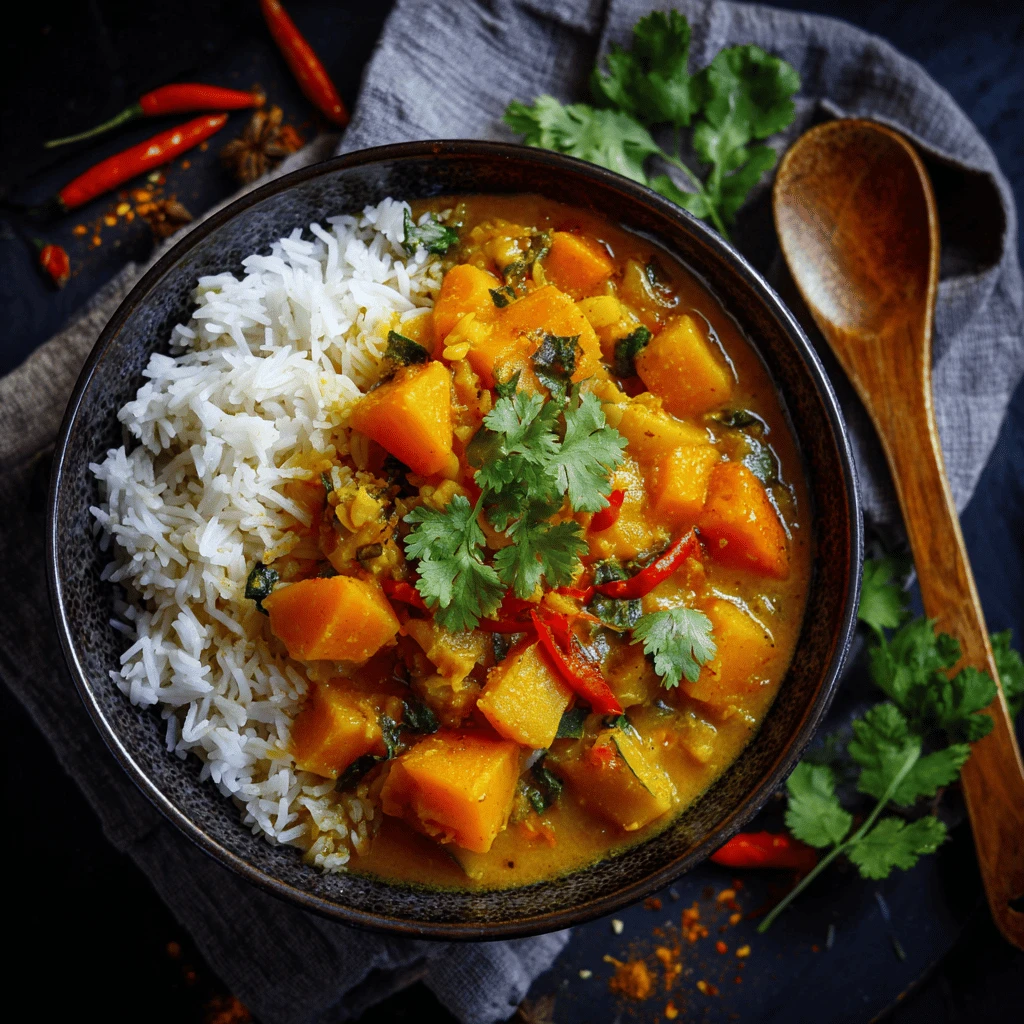
Homemade Gluten-Free Pumpkin Curry
Pumpkin curry is a flavorful and comforting dish, perfect for autumn evenings or any time you crave a warm and satisfying meal. This homemade gluten-free version caters to dietary needs without sacrificing any of the deliciousness. It’s surprisingly easy to make, and the combination of creamy pumpkin, aromatic spices, and your choice of protein or vegetables creates a truly unforgettable culinary experience.
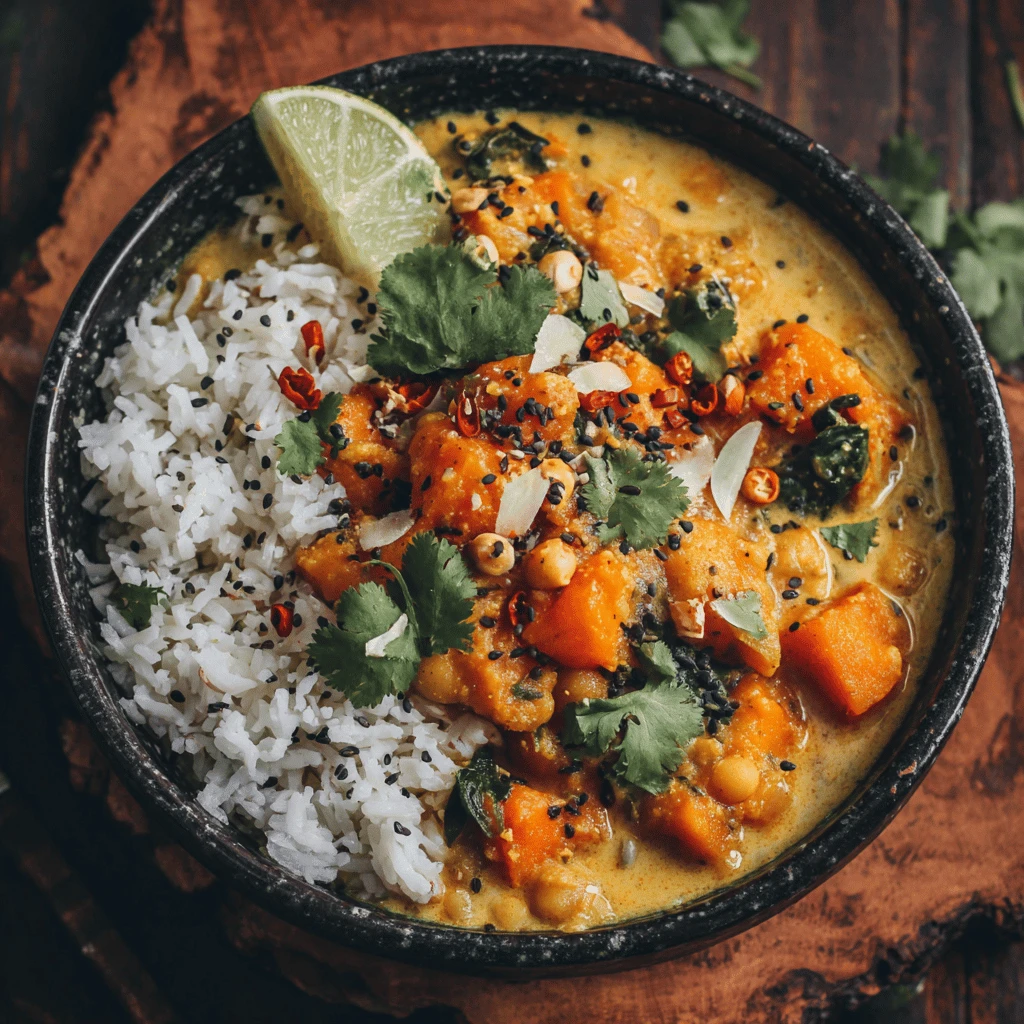
The Magic of Pumpkin Curry: Flavor and Benefits
Pumpkin curry combines the earthy sweetness of pumpkin with the vibrant flavors of curry spices. The resulting dish is both rich and comforting, offering a unique flavor profile that’s both familiar and exotic. The beauty of pumpkin curry lies in its versatility. You can easily customize it to your liking by adjusting the spice levels, adding different vegetables, or choosing your preferred protein.
Beyond its delicious taste, pumpkin curry offers several nutritional benefits. Pumpkin is packed with vitamins, minerals, and antioxidants, making it a healthy addition to your diet. It’s a good source of vitamin A, which is essential for eye health, and vitamin C, which supports immune function. Pumpkin also contains fiber, which aids digestion and helps you feel full and satisfied. The spices used in curry, such as turmeric and ginger, also boast their own health benefits, including anti-inflammatory properties.
Crafting Your Gluten-Free Masterpiece: Ingredients and Preparation
Making gluten-free pumpkin curry at home is easier than you might think. Here’s a comprehensive guide to the ingredients you’ll need and the steps involved in creating this culinary masterpiece.
Essential Ingredients for Gluten-Free Pumpkin Curry
- Pumpkin: Fresh pumpkin is ideal, but canned pumpkin puree works perfectly well as a convenient substitute. Be sure to use 100% pumpkin puree and not pumpkin pie filling, which contains added sugars and spices.
- Coconut Milk: Full-fat coconut milk provides the creamy base for the curry. Its richness complements the pumpkin and spices beautifully.
- Curry Paste: Red curry paste is a popular choice for pumpkin curry, offering a balanced blend of heat and flavor. Green curry paste is another option, providing a slightly more herbaceous and spicy profile.
- Aromatics: Onions, garlic, and ginger form the aromatic foundation of the curry. They add depth and complexity to the flavor.
- Vegetables: Bell peppers, spinach, and chickpeas are all excellent additions to pumpkin curry. Feel free to experiment with other vegetables like broccoli, cauliflower, or sweet potatoes.
- Protein (Optional): Chicken, shrimp, tofu, or chickpeas can be added to make the curry more substantial.
- Gluten-Free Soy Sauce (Tamari): This adds umami and enhances the savory flavors of the dish.
- Lime Juice: A squeeze of lime juice at the end brightens the flavors and adds a touch of acidity.
- Spices: Ground cumin, coriander, and chili flakes (optional) can be added to boost the curry’s flavor profile.
- Oil: Coconut oil or avocado oil are good options for cooking, offering a neutral flavor and high smoke point.
- Fresh Herbs (Optional): Cilantro or basil add a fresh and aromatic garnish.
Step-by-Step Instructions for a Perfect Curry
1. Prepare the Aromatics: Heat the oil in a large pot or Dutch oven over medium heat. Add the chopped onion and cook until softened, about 5 minutes. Add the minced garlic and ginger and cook for another minute until fragrant.
2. Add the Curry Paste: Stir in the curry paste and cook for 1-2 minutes, allowing the flavors to bloom. Be careful not to burn the paste.
3. Incorporate the Pumpkin: Add the pumpkin puree and coconut milk to the pot. Stir well to combine.
4. Add the Vegetables and Protein: If using, add the vegetables and protein to the pot. Stir to coat them in the curry sauce.
5. Simmer and Season: Bring the curry to a simmer, then reduce the heat and cover. Cook for 15-20 minutes, or until the vegetables are tender and the protein is cooked through.
6. Season and Serve: Stir in the gluten-free soy sauce (tamari) and lime juice. Taste and adjust seasonings as needed. Garnish with fresh herbs, if desired. Serve hot over rice, quinoa, or cauliflower rice for a complete gluten-free meal.
Customizing Your Curry: Variations and Tips
One of the best things about pumpkin curry is its versatility. Here are some variations and tips to help you customize the dish to your liking:
Spice It Up (or Tone It Down)
- For a milder curry: Use less curry paste or choose a mild curry paste. You can also add a touch of honey or maple syrup to balance the spice.
- For a spicier curry: Add a pinch of chili flakes or a dash of cayenne pepper. You can also use a spicier curry paste.
Vegetable Variations
- Add leafy greens: Spinach, kale, or bok choy can be added towards the end of cooking for extra nutrients and flavor.
- Roast the vegetables: Roasting vegetables like sweet potatoes or butternut squash before adding them to the curry will enhance their sweetness and flavor.
- Add mushrooms: Sautéed mushrooms add an earthy flavor to the curry.
Protein Power
- Tofu: Use firm or extra-firm tofu, pressed to remove excess water. Cut into cubes and pan-fry or bake until golden brown before adding to the curry.
- Chicken or Shrimp: Add cooked chicken or shrimp towards the end of cooking to prevent them from overcooking.
- Chickpeas: Canned chickpeas are a convenient and affordable way to add protein to the curry. Rinse and drain them before adding them to the pot.
Creamy Creations
- Coconut Cream: For an extra-rich and creamy curry, substitute some of the coconut milk with coconut cream.
- Cashew Cream: Blend cashews with water until smooth to create a vegan cream that can be added to the curry for extra richness.
Serving Suggestions
- Rice or Quinoa: Serve the curry over cooked rice or quinoa for a satisfying and complete meal.
- Cauliflower Rice: For a low-carb option, serve the curry over cauliflower rice.
- Naan Bread (Gluten-Free): Serve with gluten-free naan bread for dipping.
The Gluten-Free Factor: Ensuring Your Curry is Safe
Making pumpkin curry gluten-free is relatively straightforward, but it’s important to pay attention to certain ingredients and preparation methods to avoid cross-contamination.
Identifying Gluten Culprits
- Soy Sauce: Traditional soy sauce contains wheat. Be sure to use gluten-free tamari instead.
- Curry Paste: Some curry pastes may contain wheat flour as a thickening agent. Check the ingredient list carefully or make your own homemade curry paste.
- Thickeners: Avoid using wheat flour or cornstarch to thicken the curry. Instead, let it simmer uncovered for a few minutes to reduce the sauce naturally. You can also use arrowroot powder or tapioca starch as gluten-free thickeners.
Preventing Cross-Contamination
- Clean Utensils and Surfaces: Use clean utensils and surfaces to prepare the curry. Avoid using utensils that have been used with gluten-containing foods.
- Read Labels Carefully: Always read the labels of all ingredients to ensure they are gluten-free. Look for certified gluten-free products whenever possible.
- Prepare Separately: If you are cooking for someone with celiac disease or a severe gluten intolerance, prepare the curry in a separate pot and use separate utensils to avoid cross-contamination.
Homemade Curry Paste for Gluten-Free Control
Making your own curry paste allows you complete control over the ingredients and ensures that your curry is truly gluten-free. Many recipes are available online. Start with a base of dried chilies, garlic, ginger, lemongrass, galangal, and spices like coriander, cumin, and turmeric.
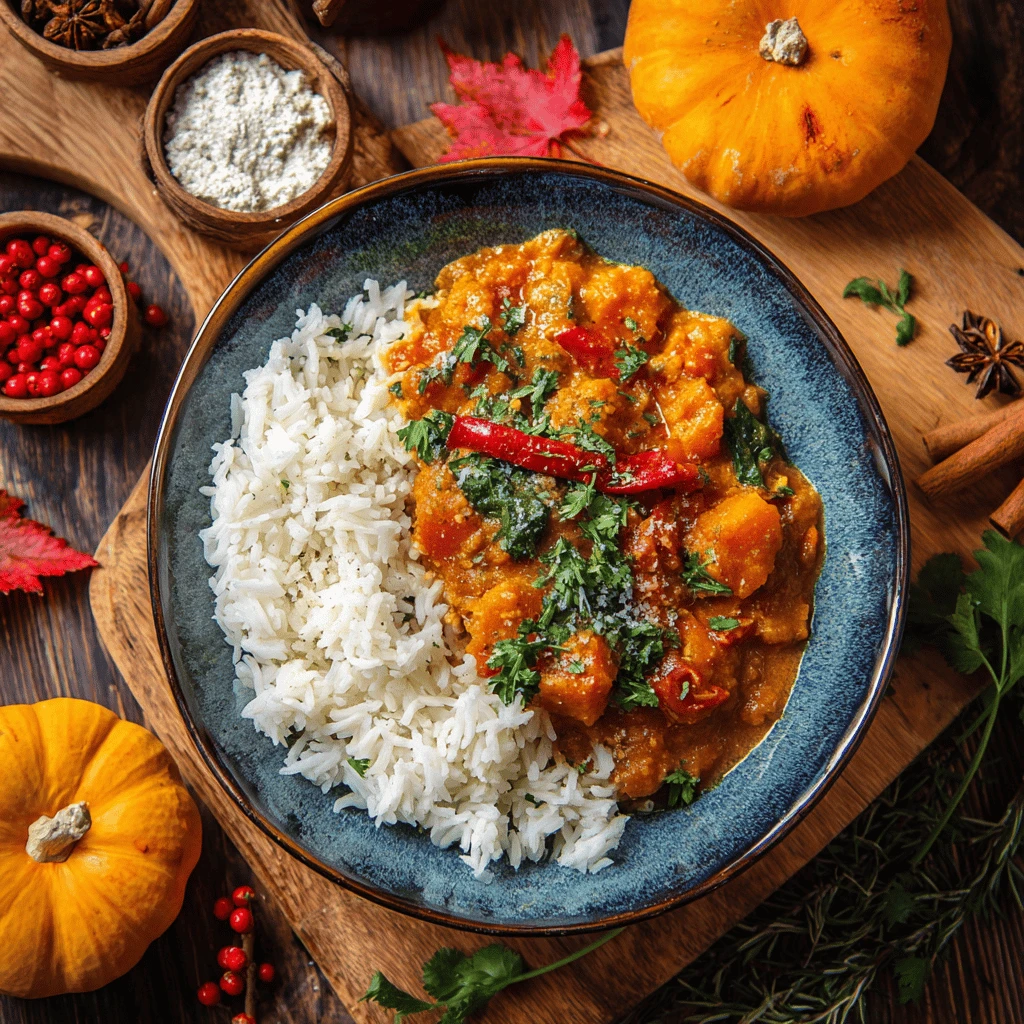
Pumpkin Curry FAQs: Your Burning Questions Answered
Here are some frequently asked questions about making homemade gluten-free pumpkin curry:
Q: Can I use frozen pumpkin instead of fresh or canned?
A: While fresh or canned pumpkin is preferred for its texture and flavor, frozen pumpkin puree can be used as a substitute. Thaw it completely and drain off any excess water before adding it to the curry.
Q: How long does pumpkin curry last in the refrigerator?
A: Pumpkin curry can be stored in an airtight container in the refrigerator for up to 3-4 days.
Q: Can I freeze pumpkin curry?
A: Yes, pumpkin curry freezes well. Let it cool completely before transferring it to freezer-safe containers. It can be stored in the freezer for up to 2-3 months. Thaw it overnight in the refrigerator before reheating.
Q: Can I make pumpkin curry in a slow cooker?
A: Absolutely! Combine all the ingredients in a slow cooker and cook on low for 6-8 hours or on high for 3-4 hours.
Q: What can I serve with pumpkin curry?
A: Pumpkin curry is delicious served with rice, quinoa, cauliflower rice, or gluten-free naan bread. You can also garnish it with fresh herbs like cilantro or basil, or a dollop of plain yogurt or coconut cream.
Q: Is pumpkin curry vegan?
A: Yes, if you use plant-based protein, such as tofu or chickpeas, and ensure that your curry paste is vegan-friendly (some may contain fish sauce).