
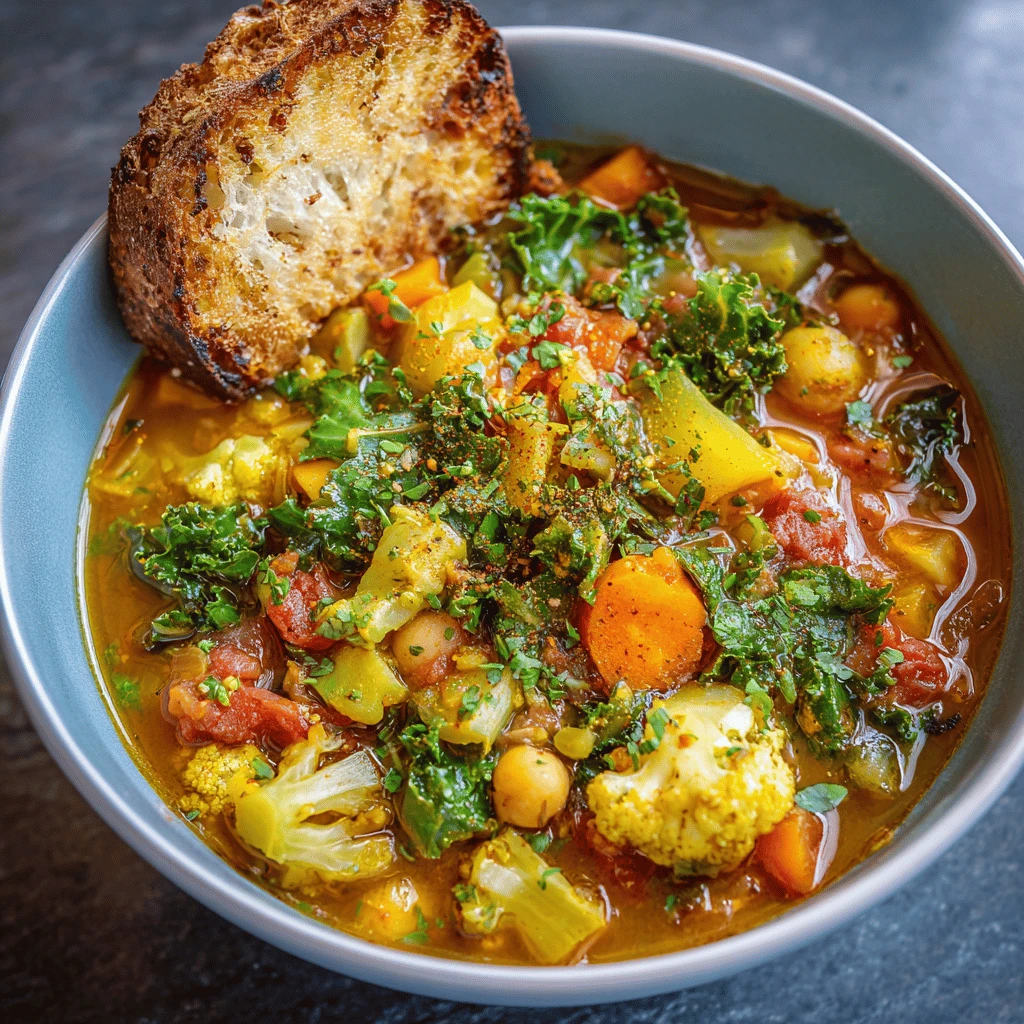
Hearty Vegetable Meal Prep Soup
Soup is the ultimate comfort food, especially when the weather turns cool. But it’s more than just cozy – it’s a fantastic way to pack in nutrients, use up leftover vegetables, and prepare healthy meals in advance. This hearty vegetable meal prep soup is designed for busy individuals who want delicious, wholesome meals without the daily fuss. It’s packed with flavor, easily customizable, and keeps well, making it a perfect addition to your weekly meal prep routine.
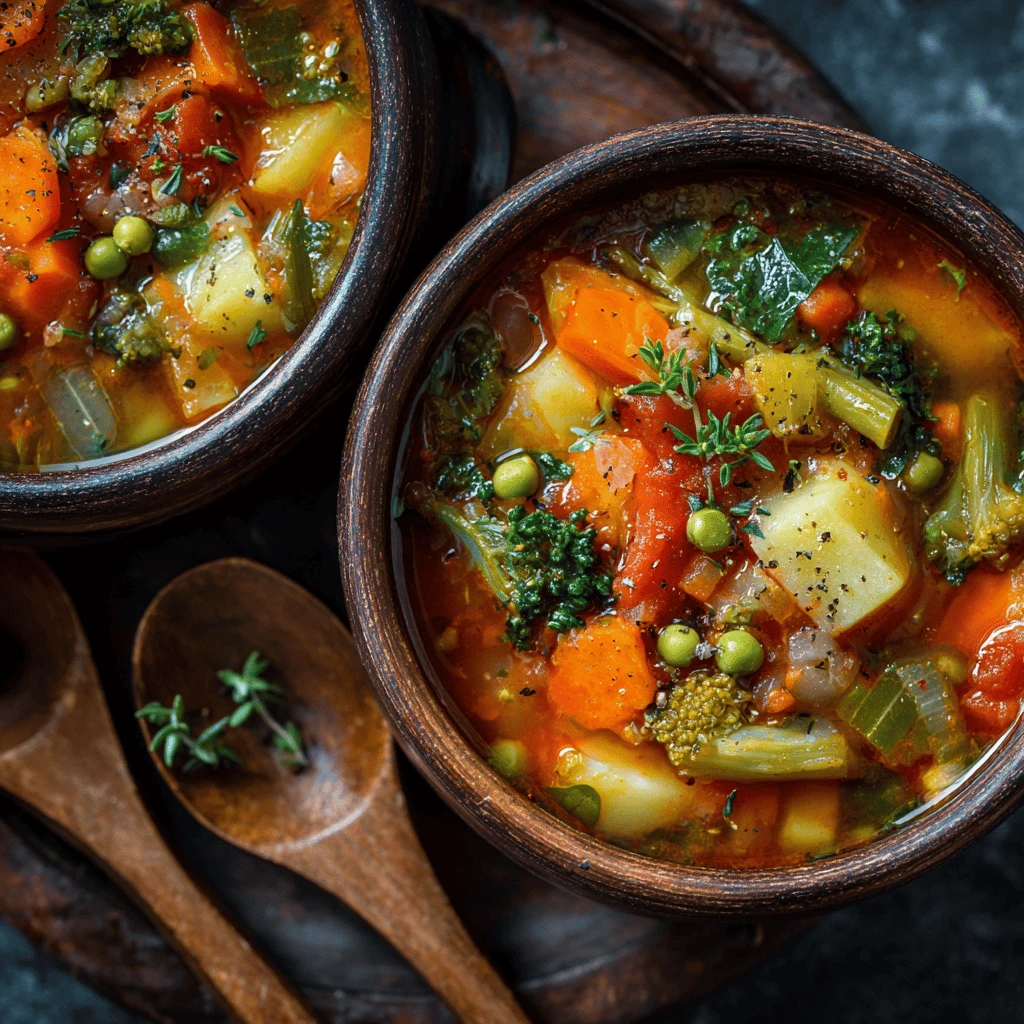
Why Vegetable Soup is Perfect for Meal Prep
Vegetable soup is a meal prep champion for several reasons. First, it’s incredibly versatile. You can adapt the recipe to incorporate whatever vegetables you have on hand, reducing food waste and saving money. Don’t like carrots? Swap them for sweet potatoes. Have some wilted spinach? Toss it in! The possibilities are endless.
Second, soup is budget-friendly. Root vegetables, beans, and lentils, which form the base of many hearty vegetable soups, are inexpensive and filling. You can often make a large batch of soup for less than the cost of takeout.
Third, vegetable soup is a nutritional powerhouse. It’s a great source of vitamins, minerals, and fiber. Fiber is essential for digestive health and can help you feel fuller for longer, making it a great choice for weight management.
Finally, soup stores exceptionally well. Most vegetable soups will keep in the refrigerator for 3-4 days, and they freeze beautifully. This means you can make a large batch on the weekend and have healthy, ready-to-eat lunches or dinners all week long.
Crafting Your Perfect Hearty Vegetable Soup: A Step-by-Step Guide
Creating a delicious and satisfying vegetable soup is easier than you think. This guide will walk you through the essential steps, from selecting your vegetables to seasoning your broth, ensuring a flavorful and nutritious final product.
Step 1: Choose Your Vegetables
The foundation of any great vegetable soup is, of course, the vegetables! Aim for a variety of colors and textures to maximize flavor and nutritional benefits. Consider using a combination of:
- Root Vegetables: Carrots, potatoes, sweet potatoes, turnips, parsnips, celeriac. These provide a hearty base and add sweetness and earthiness.
- Alliums: Onions, garlic, leeks, shallots. These add depth and aromatic complexity.
- Cruciferous Vegetables: Broccoli, cauliflower, cabbage, Brussels sprouts, kale. These are packed with vitamins and antioxidants.
- Leafy Greens: Spinach, kale, Swiss chard. Add these towards the end of cooking to preserve their nutrients and vibrant color.
- Other Vegetables: Celery, zucchini, bell peppers, green beans, corn. These add texture and variety.
Feel free to experiment with different combinations to find your favorites. Remember to cut your vegetables into uniform sizes to ensure even cooking.
Step 2: Build a Flavorful Broth
The broth is the backbone of your soup. While water can be used in a pinch, a good broth will significantly enhance the flavor.
- Vegetable Broth: Use store-bought or homemade vegetable broth. Homemade broth is often more flavorful and allows you to control the sodium content.
- Chicken Broth: For a richer flavor, use chicken broth. This is a good option if you’re not strictly vegetarian.
- Bone Broth: Bone broth adds depth and nutrients to your soup.
- Mushroom Broth: Offers an umami-rich, earthy base.
You can also enhance the broth with herbs and spices. Bay leaves, thyme, rosemary, oregano, and parsley are all excellent additions. For a bit of heat, add a pinch of red pepper flakes or a dash of hot sauce.
Step 3: Sauté the Aromatics
Sautéing the aromatics, such as onions, garlic, and celery, in a bit of olive oil or butter is crucial for developing a flavorful base. Cook them over medium heat until they are softened and fragrant, about 5-7 minutes. This step releases their natural sweetness and creates a delicious foundation for the rest of the soup.
Step 4: Add the Remaining Vegetables
Add the remaining vegetables to the pot, starting with the ones that take the longest to cook, such as root vegetables. Sauté them for a few minutes to coat them in the flavorful oil and aromatics. This helps to develop their flavor and prevent them from becoming waterlogged.
Step 5: Simmer and Season
Pour in the broth and bring the soup to a boil. Then, reduce the heat to low, cover, and simmer until the vegetables are tender, about 20-30 minutes. Season with salt, pepper, and any other desired spices. Taste and adjust the seasoning as needed.
Step 6: Finishing Touches
Once the vegetables are tender, you can add any finishing touches. Stir in leafy greens and cook until wilted, about 1-2 minutes. If you want a creamier soup, you can blend a portion of it with an immersion blender or in a regular blender (be careful when blending hot liquids!).
Customization and Variations: Making it Your Own
One of the best things about vegetable soup is its adaptability. Here are some ideas for customizing the recipe to suit your preferences and dietary needs:
- Add Protein: Boost the protein content of your soup by adding beans, lentils, chickpeas, tofu, or cooked chicken or sausage.
- Add Grains: Add cooked quinoa, brown rice, or barley to make the soup more filling and substantial.
- Spice it Up: Add a pinch of red pepper flakes, a dash of hot sauce, or a spoonful of curry powder for a spicy kick.
- Make it Creamy: Blend a portion of the soup for a creamy texture. You can also add a dollop of plain yogurt, sour cream, or coconut milk.
- Add Acid: A squeeze of lemon juice or a splash of vinegar brightens the flavors and adds a touch of acidity.
- Vegan/Vegetarian Options: Ensure you are using vegetable broth, and avoid adding any animal products. Beans, lentils, and tofu are great options for adding plant-based protein.
- Low-Sodium Options: Use low-sodium or no-salt-added broth and season the soup with herbs and spices instead of salt.
- Gluten-Free Options: Ensure all ingredients are gluten-free, including broth and any added grains.
Meal Prep and Storage: Enjoying Soup All Week Long
This soup is perfect for meal prepping. Follow these tips to ensure your soup stays fresh and delicious throughout the week:
- Cool Completely: Allow the soup to cool completely before storing it. This prevents condensation from forming in the container, which can lead to spoilage.
- Portion into Containers: Divide the soup into individual serving containers for easy grab-and-go meals.
- Refrigerate: Store the soup in the refrigerator for up to 3-4 days.
- Freeze: For longer storage, freeze the soup in freezer-safe containers or bags. Be sure to leave some headspace in the containers, as the soup will expand when frozen. Frozen soup can be stored for up to 2-3 months.
- Reheat: Reheat the soup on the stovetop or in the microwave until heated through. If the soup has thickened in the refrigerator, you may need to add a little broth or water to thin it out.
To prevent food safety issues, ensure the internal temperature of the soup reaches 165°F (74°C) when reheating.

Frequently Asked Questions (FAQs)
Q: Can I use frozen vegetables in this soup?
A: Yes, frozen vegetables are a convenient and nutritious option. Add them towards the end of the cooking time, as they cook faster than fresh vegetables.
Q: How can I make my vegetable soup thicker?
A: You can thicken your soup by blending a portion of it, adding a cornstarch slurry (1 tablespoon of cornstarch mixed with 2 tablespoons of cold water), or adding a mashed potato.
Q: Can I add meat to this soup?
A: Absolutely! Cooked chicken, sausage, or beef are all great additions. Add them towards the end of the cooking time to heat them through.
Q: How long does vegetable soup last in the refrigerator?
A: Vegetable soup will typically last for 3-4 days in the refrigerator. Be sure to store it in an airtight container.
Q: Can I freeze vegetable soup?
A: Yes, vegetable soup freezes well. Store it in freezer-safe containers or bags for up to 2-3 months.
Q: What can I serve with vegetable soup?
A: Vegetable soup pairs well with crusty bread, a grilled cheese sandwich, a salad, or a side of roasted vegetables.