
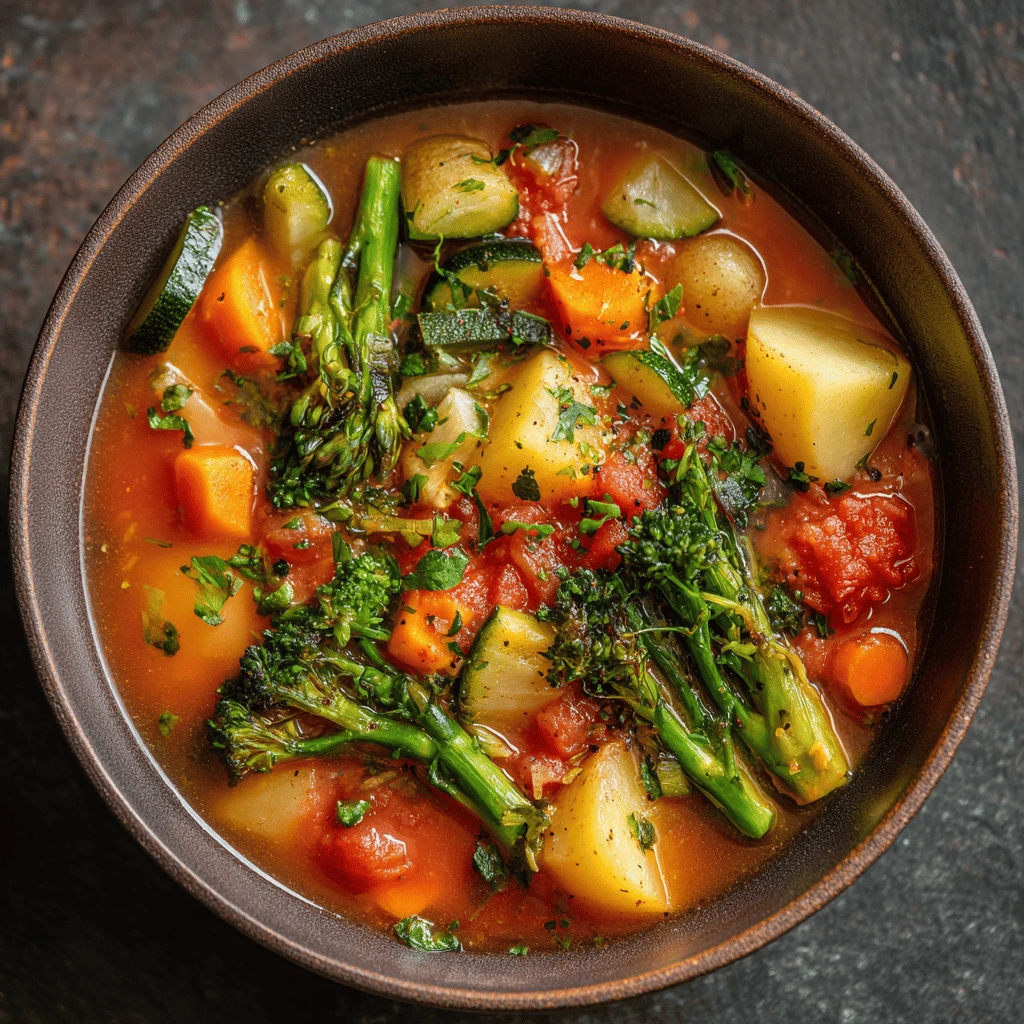
Healthy Vegetable Stew: A Hearty and Nutritious Meal
Vegetable stew is a comforting and versatile dish that can be enjoyed year-round. Packed with nutrients and easily customizable to suit your preferences, it’s a fantastic way to incorporate a variety of vegetables into your diet. This article will guide you through creating a healthy and delicious vegetable stew, exploring its benefits, variations, and tips for perfect preparation.
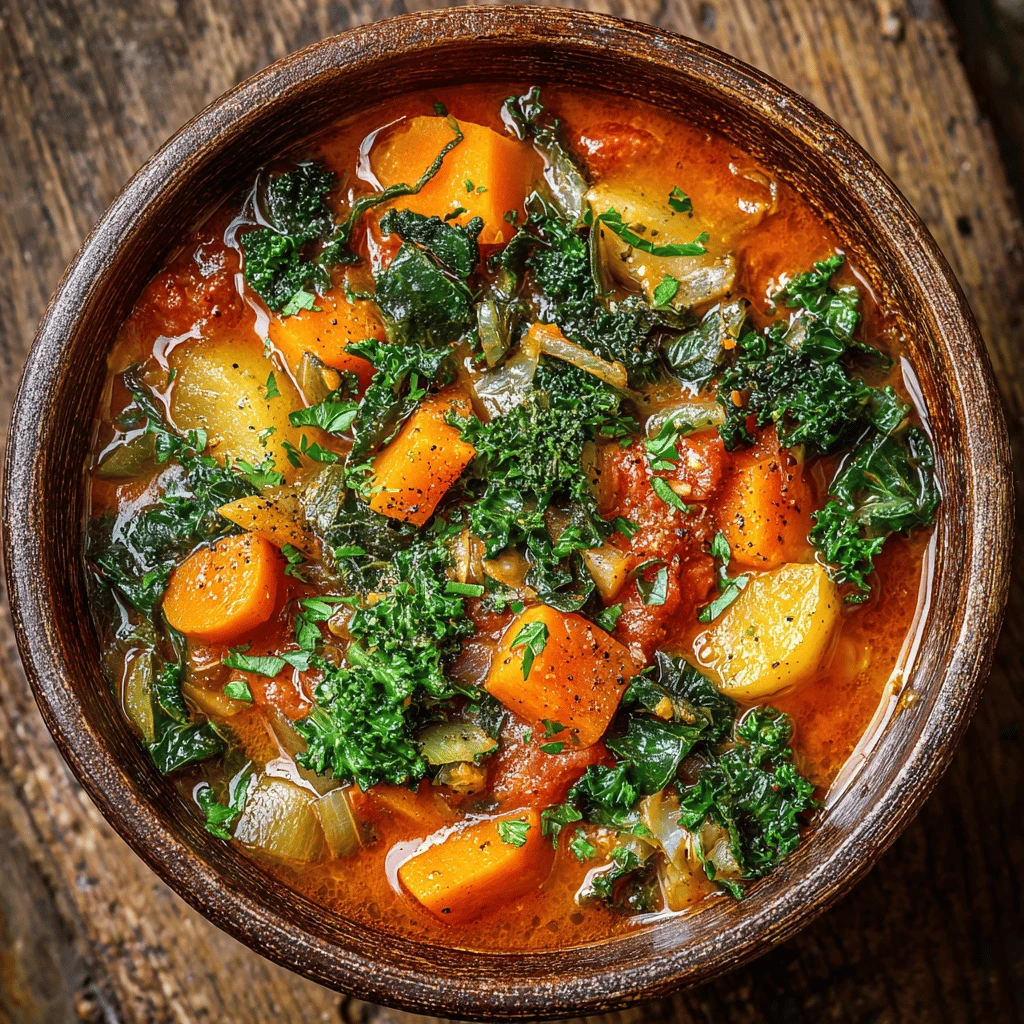
The Nutritional Powerhouse of Vegetable Stew
Vegetable stew is more than just a tasty meal; it’s a nutritional powerhouse. The combination of different vegetables provides a wide spectrum of vitamins, minerals, and antioxidants, all essential for maintaining optimal health.
Vitamins and Minerals: Each vegetable contributes its unique set of nutrients. Carrots are rich in vitamin A, crucial for vision and immune function. Spinach provides iron, essential for oxygen transport in the blood. Tomatoes offer vitamin C, a powerful antioxidant. The variety of minerals, such as potassium, magnesium, and folate, further contributes to overall well-being.
Fiber for Digestive Health: Vegetables are an excellent source of dietary fiber. Fiber aids digestion by adding bulk to the stool, promoting regular bowel movements, and preventing constipation. It also helps regulate blood sugar levels and can contribute to weight management by promoting feelings of fullness.
Antioxidants for Disease Prevention: Many vegetables are brimming with antioxidants, compounds that protect cells from damage caused by free radicals. Free radicals are unstable molecules that can contribute to chronic diseases such as heart affection, certain forms of ailment, and cognitive decline. Antioxidants neutralize these free radicals, reducing their harmful effects. Some key antioxidants found in vegetable stew include lycopene (in tomatoes), beta-carotene (in carrots), and flavonoids (in onions and garlic).
Low in Calories, High in Satisfaction: Vegetable stew is naturally low in calories, making it a great option for those watching their weight. The high fiber content also contributes to satiety, helping you feel full and satisfied after your meal, reducing the likelihood of overeating.
Building Your Perfect Vegetable Stew: Ingredients and Techniques
The beauty of vegetable stew lies in its adaptability. You can tailor it to your liking by choosing your favorite vegetables and adjusting the seasonings to your preferences. Here’s a guide to building your own perfect vegetable stew:
Choosing Your Vegetables: The possibilities are endless when it comes to vegetables for stew. Consider a mix of root vegetables, leafy greens, and other colorful options.
- Root Vegetables: Carrots, potatoes, sweet potatoes, parsnips, turnips, and beets add heartiness and sweetness.
- Leafy Greens: Spinach, kale, collard greens, and Swiss chard provide vitamins and minerals. Add these towards the end of cooking to retain their freshness.
- Other Vegetables: Onions, garlic, celery, bell peppers, zucchini, squash, broccoli, cauliflower, and green beans offer a variety of textures and flavors.
Selecting Your Broth: The broth forms the base of your stew, so choosing a flavorful one is important.
- Vegetable Broth: A classic choice, vegetable broth provides a light and clean flavor.
- Chicken Broth: Adds a richer and more savory dimension to the stew. Use low-sodium chicken broth to control the salt content.
- Bone Broth: Offers a deeper, more complex flavor and is rich in collagen.
- Water: In a pinch, water can be used, but you may need to add more seasonings to compensate for the lack of flavor.
Adding Flavor and Depth: Seasoning is key to creating a delicious vegetable stew.
- Herbs and Spices: Bay leaves, thyme, rosemary, oregano, paprika, cumin, and chili powder can all add depth and complexity.
- Aromatics: Onions, garlic, and celery are the foundation of many great stews. Sauté them in a little olive oil before adding the other ingredients.
- Acid: A splash of vinegar or lemon juice at the end of cooking can brighten the flavors and balance the richness of the stew.
- Salt and Pepper: Season to taste throughout the cooking process.
Techniques for Perfect Stew:
- Sautéing: Sautéing the onions, garlic, and celery in olive oil before adding the other ingredients helps to develop their flavors.
- Layering: Add the vegetables in order of cooking time. Root vegetables should be added first, followed by harder vegetables like broccoli and cauliflower, and finally, leafy greens.
- Simmering: Simmering the stew allows the flavors to meld together and the vegetables to become tender. Avoid boiling, which can make the vegetables mushy.
- Thickening: If you prefer a thicker stew, you can add a cornstarch slurry (cornstarch mixed with water) or a roux (flour cooked with butter) towards the end of cooking. Alternatively, you can mash some of the potatoes or other vegetables to naturally thicken the stew.
Variations and Adaptations: Tailoring Your Stew
One of the greatest advantages of vegetable stew is its versatility. You can easily adapt it to suit your dietary needs, preferences, and available ingredients.
Vegetarian and Vegan Options: Vegetable stew is naturally vegetarian. To make it vegan, simply use vegetable broth and ensure that none of the added ingredients contain animal products.
Gluten-Free Options: Vegetable stew is naturally gluten-free as long as you don’t use flour for thickening. If you want to thicken your stew, use a cornstarch slurry or arrowroot powder instead.
Adding Protein: While vegetable stew is primarily a carbohydrate and fiber-rich dish, you can easily add protein to make it a more complete meal.
- Beans: Chickpeas, kidney beans, black beans, and lentils are all excellent sources of plant-based protein and fiber.
- Tofu or Tempeh: These soy-based products can be added for a protein boost.
- Quinoa: Adds a nutty flavor and a good source of protein.
- Leftover Cooked Chicken or Beef: If you’re not vegetarian, adding leftover cooked chicken or beef can transform your vegetable stew into a heartier meal.
Seasonal Variations: Take advantage of seasonal produce to create unique and flavorful stews throughout the year.
- Spring: Asparagus, peas, and new potatoes.
- Summer: Zucchini, tomatoes, bell peppers, and corn.
- Autumn: Squash, sweet potatoes, and Brussels sprouts.
- Winter: Root vegetables like carrots, parsnips, and turnips.
Spicy Stew: For a spicier stew, add chili powder, cayenne pepper, or chopped jalapeños to taste. You can also add a dollop of hot sauce to your bowl before serving.
Mediterranean Stew: Incorporate Mediterranean flavors by adding olives, sun-dried tomatoes, feta cheese (if not vegan), and herbs like oregano and basil.
Tips for Success: Making the Best Vegetable Stew
Follow these tips to ensure your vegetable stew turns out perfectly every time:
Don’t Overcook the Vegetables: Overcooked vegetables can become mushy and lose their flavor. Add the vegetables in order of cooking time, and simmer the stew until they are tender-crisp.
Use Fresh, High-Quality Ingredients: The flavor of your stew will only be as good as the ingredients you use. Choose fresh, high-quality vegetables and a flavorful broth.
Taste and Adjust Seasonings: Taste the stew throughout the cooking process and adjust the seasonings as needed. Don’t be afraid to add more herbs, spices, or salt and pepper to taste.
Let the Stew Rest: Letting the stew rest for at least 30 minutes after cooking allows the flavors to meld together. You can also make the stew a day ahead of time, as the flavors will continue to develop overnight.
Storage: Store leftover vegetable stew in an airtight container in the refrigerator for up to 3-4 days. You can also freeze vegetable stew for longer storage.
Reheating: Reheat vegetable stew on the stovetop or in the microwave until heated through. If the stew has thickened too much during storage, add a little broth or water to thin it out.

Frequently Asked Questions (FAQ)
Q: Can I freeze vegetable stew?
A: Yes, vegetable stew freezes very well. Allow it to cool completely before transferring it to an airtight container or freezer bag. Thaw it overnight in the refrigerator before reheating.
Q: How can I thicken vegetable stew without flour?
A: You can thicken vegetable stew using a cornstarch slurry (cornstarch mixed with water), a mashed potato or other cooked vegetable, or by simmering it uncovered for a longer period to reduce the liquid.
Q: What’s the best broth to use for vegetable stew?
A: Vegetable broth is a classic choice, but chicken broth or bone broth can also add a richer flavor. Use low-sodium broth to control the salt content.
Q: Can I add meat to vegetable stew?
A: Yes, you can add cooked chicken, beef, sausage, or other meats to vegetable stew. Add the meat towards the end of cooking to prevent it from drying out.
Q: What vegetables are best for vegetable stew?
A: The best vegetables for vegetable stew are those that you enjoy eating. Consider a mix of root vegetables, leafy greens, and other colorful options. Carrots, potatoes, onions, celery, and tomatoes are common choices.