
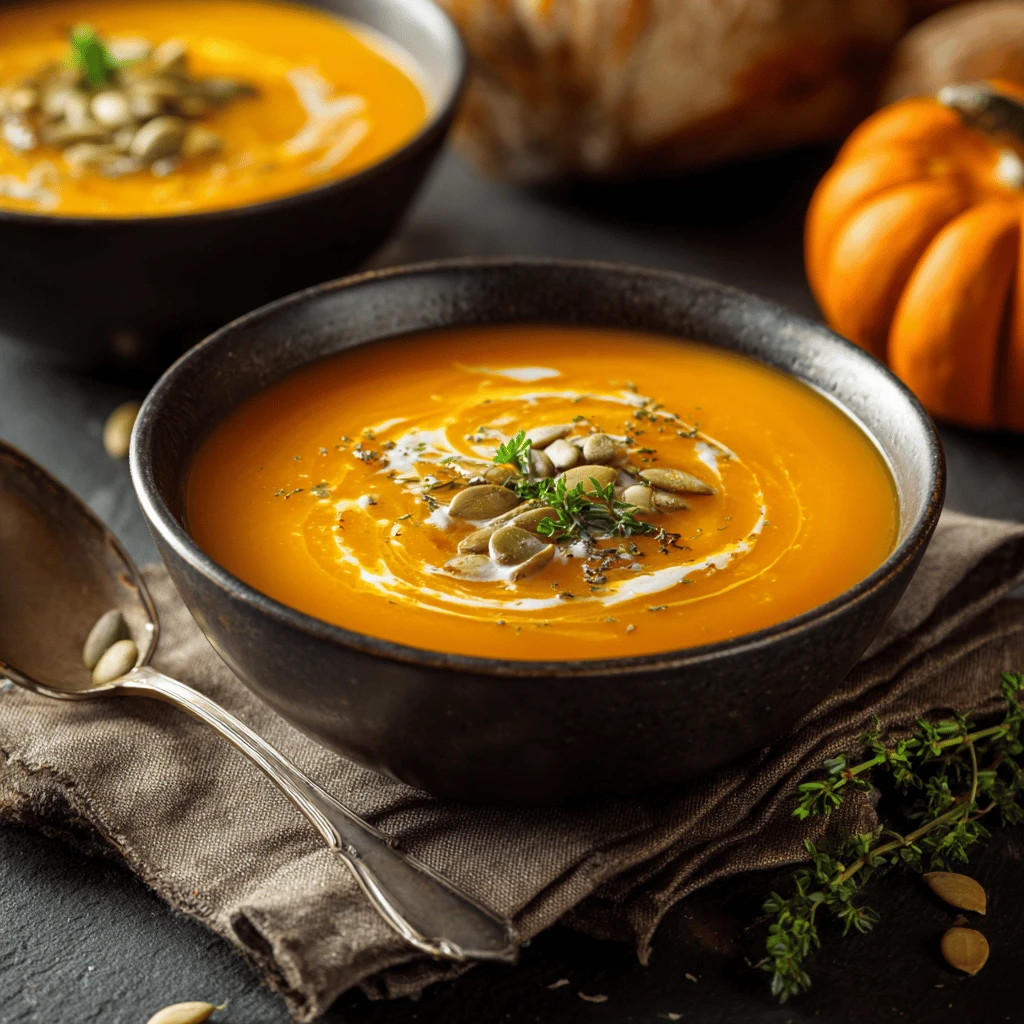
Homemade Gluten-Free Pumpkin Soup: A Cozy Delight
Introduction: The Allure of Homemade Pumpkin Soup
As autumn leaves begin to fall and a crispness fills the air, few things are as comforting as a warm bowl of homemade pumpkin soup. This vibrant, flavorful soup is a celebration of seasonal flavors, and making it gluten-free opens its deliciousness to an even wider audience. This guide will walk you through crafting the perfect gluten-free pumpkin soup, ensuring a creamy, satisfying experience for everyone. We’ll explore ingredient choices, cooking techniques, and customization options to help you create a soup that’s both delicious and tailored to your dietary needs.
Selecting the Perfect Pumpkin and Gluten-Free Ingredients
The foundation of any great pumpkin soup lies in the quality of its ingredients. Choosing the right pumpkin and ensuring all components are gluten-free is crucial.
Choosing Your Pumpkin
While any pumpkin can technically be used for soup, some varieties are far superior in terms of flavor and texture.
- Sugar Pie Pumpkins: These are the gold standard for pumpkin recipes. Their flesh is sweet, dense, and less stringy than other varieties, making them ideal for a smooth, creamy soup.
- Jarrahdale Pumpkins: With their striking blue-grey skin, Jarrahdale pumpkins offer a slightly less sweet flavor profile than sugar pies but are still an excellent choice for soup.
- Butternut Squash: Although technically a squash, butternut squash can be used as a substitute for pumpkin in soup recipes. It has a naturally sweet and nutty flavor that complements the other ingredients beautifully.
- Canned Pumpkin Puree: In a pinch, canned pumpkin puree can be used. Make sure to choose 100% pumpkin puree and not pumpkin pie filling, which contains added sugars and spices.
Ensuring Gluten-Free Integrity
The key to a truly gluten-free pumpkin soup is to carefully select all ingredients, ensuring they are free from gluten.
- Broth: Opt for gluten-free vegetable broth or chicken broth. Check the label carefully, as some broths may contain hidden sources of gluten. Look for certified gluten-free options for peace of mind.
- Thickeners (Optional): If you prefer a thicker soup, avoid wheat flour. Instead, consider using gluten-free alternatives like cornstarch, tapioca starch, or arrowroot powder. A small amount of full-fat coconut milk can also add richness and thickness. Blending a portion of the soup can also naturally thicken it.
- Cream (Optional): Heavy cream, half-and-half, or coconut cream can add a luxurious touch. Ensure that any dairy products used are plain and unflavored, as some flavored varieties may contain gluten.
- Spices: Most spices are naturally gluten-free, but it’s always a good idea to check the labels of spice blends. Some pre-mixed blends may contain gluten as a filler or anti-caking agent.
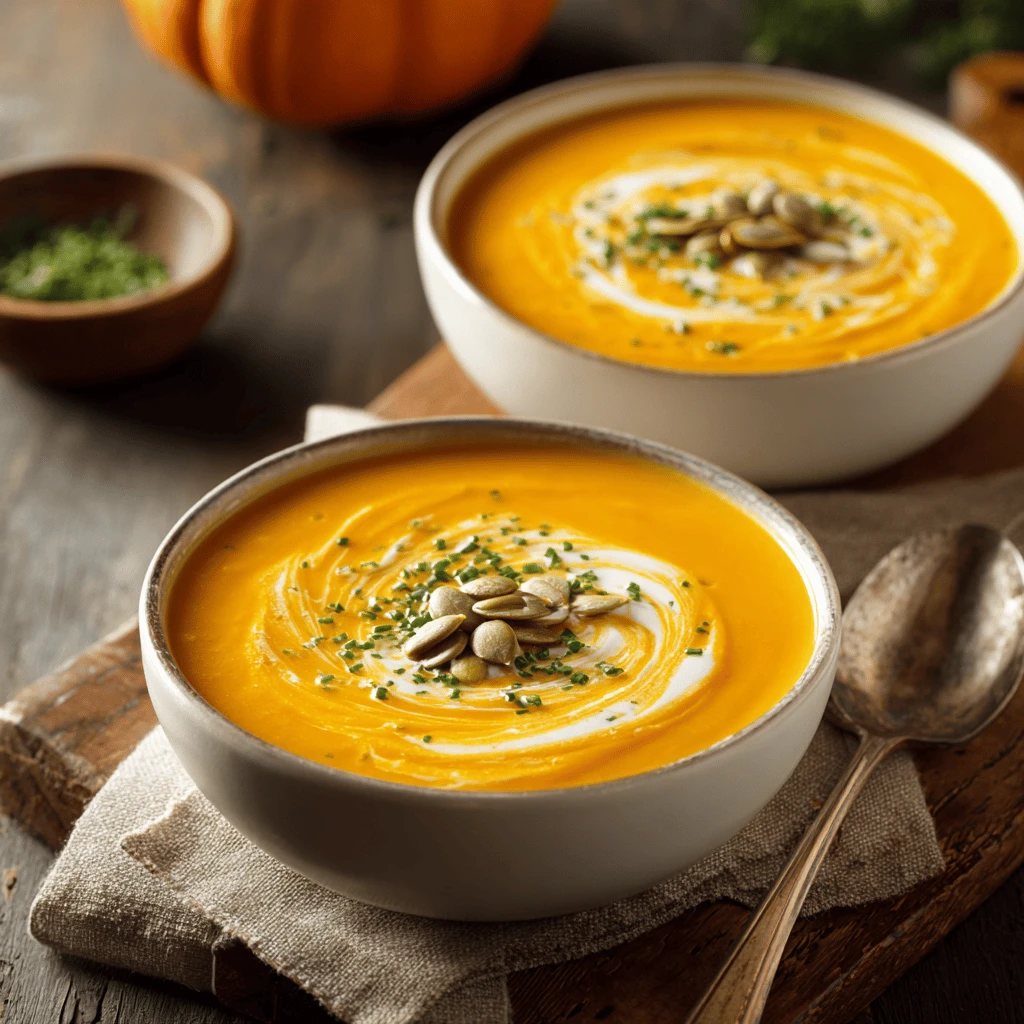
- Garnish: Be mindful of garnishes. Croutons are a common soup topping, but they are obviously off-limits for a gluten-free diet. Instead, try toasted pumpkin seeds, gluten-free crackers, a swirl of coconut cream, or a sprinkle of fresh herbs.
A Basic Gluten-Free Pumpkin Soup Recipe
Ingredients:
- 1 sugar pie pumpkin (about 2-3 pounds), or 1 (15-ounce) can of 100% pumpkin puree
- 1 tablespoon olive oil
- 1 onion, chopped
- 2 cloves garlic, minced
- 4 cups gluten-free vegetable broth or chicken broth
- 1 teaspoon ground ginger
- 1/2 teaspoon ground cinnamon
- 1/4 teaspoon ground nutmeg
- Salt and pepper to taste
- Optional: 1/2 cup heavy cream or coconut cream
- Optional garnish: Toasted pumpkin seeds, chopped chives
Instructions:
1. Prepare the Pumpkin: If using a fresh pumpkin, preheat your oven to 400°F (200°C). Cut the pumpkin in half, scoop out the seeds, and place the halves cut-side down on a baking sheet. Roast for 45-60 minutes, or until the flesh is tender. Let cool slightly, then scoop out the flesh.
2. Sauté Aromatics: Heat the olive oil in a large pot or Dutch oven over medium heat. Add the chopped onion and cook until softened, about 5 minutes. Add the minced garlic and cook for another minute until fragrant.
3. Combine and Simmer: Add the roasted pumpkin (or canned pumpkin puree), gluten-free broth, ginger, cinnamon, nutmeg, salt, and pepper to the pot. Bring to a simmer and cook for 15-20 minutes, allowing the flavors to meld.
4. Blend (Optional): For a smoother soup, use an immersion blender to blend the soup directly in the pot. Alternatively, carefully transfer the soup to a regular blender in batches and blend until smooth.
5. Add Cream (Optional): Stir in heavy cream or coconut cream for added richness.
6. Season and Serve: Taste and adjust seasoning as needed. Garnish with toasted pumpkin seeds, chopped chives, or a swirl of coconut cream. Serve hot.
Elevating Your Soup: Flavors and Techniques
Once you have mastered the basic recipe, you can explore a variety of ways to customize your gluten-free pumpkin soup.
Flavor Enhancements
- Spices: Experiment with different spice combinations. A pinch of curry powder, chili powder, or smoked paprika can add warmth and complexity.
- Herbs: Fresh herbs like sage, thyme, or rosemary can elevate the flavor of your soup. Add them towards the end of cooking to preserve their aroma.
- Acid: A squeeze of lemon or lime juice can brighten the flavors of the soup and balance the sweetness of the pumpkin.
- Sweeteners: If you prefer a sweeter soup, add a drizzle of maple syrup or honey. Be mindful of the sugar content if you are watching your carbohydrate intake.
Roasting for Deeper Flavor
Roasting the pumpkin before making the soup intensifies its flavor and sweetness. Roasting the other vegetables, such as the onion and garlic, also adds depth and complexity. Toss the vegetables with olive oil, salt, and pepper before roasting at 400°F (200°C) until tender and slightly caramelized.
Achieving the Perfect Texture
- Blending: The key to a smooth and creamy soup is proper blending. If using a regular blender, be sure to vent the lid to prevent pressure from building up. An immersion blender is a convenient and safe option for blending soup directly in the pot.
- Consistency: Adjust the amount of broth to achieve your desired consistency. For a thicker soup, use less broth. For a thinner soup, add more broth.
- Thickening Without Gluten: If you need to thicken the soup, whisk a small amount of cornstarch or tapioca starch with cold water to create a slurry. Add the slurry to the simmering soup and cook until thickened.
Serving and Storing Your Gluten-Free Pumpkin Soup
Your delicious homemade gluten-free pumpkin soup deserves to be served and stored properly to maintain its flavor and quality.
Serving Suggestions
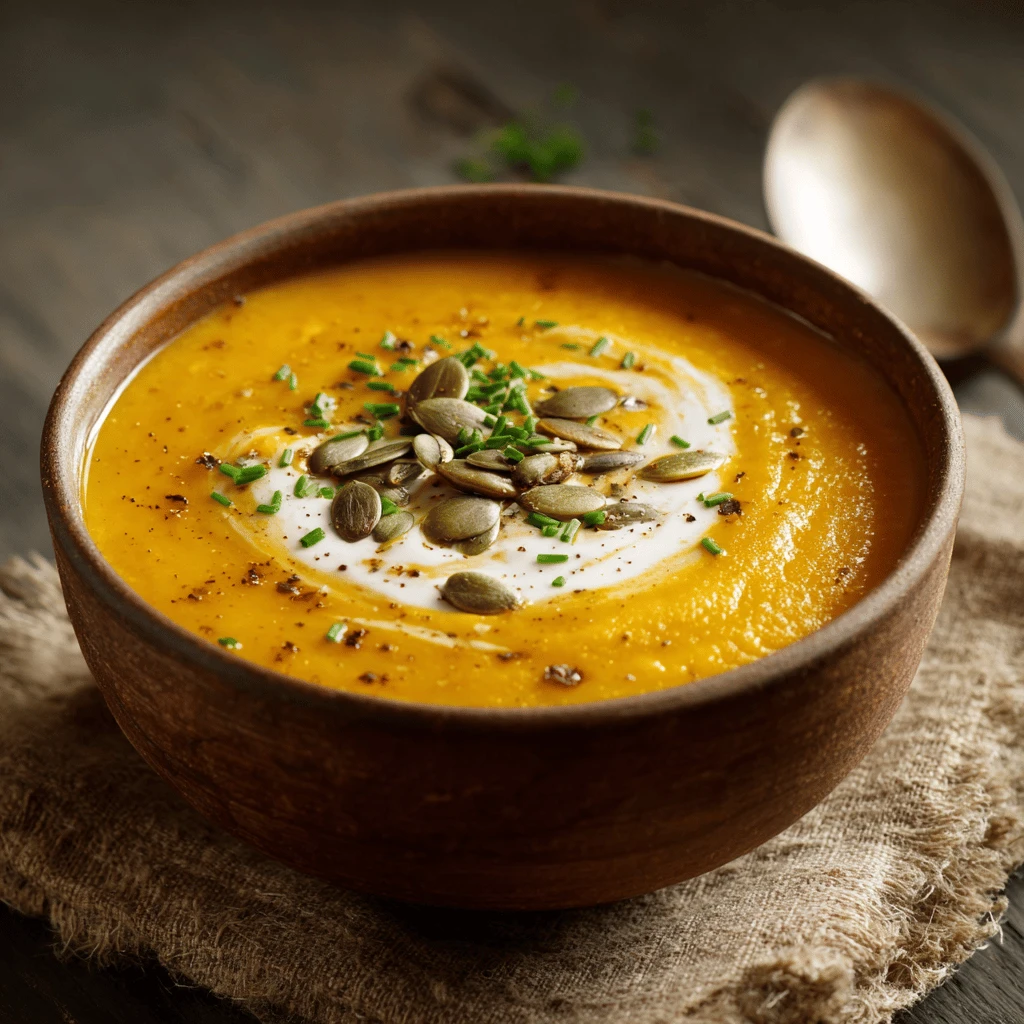
- Garnish: The right garnish can elevate your soup from simple to sophisticated. Toasted pumpkin seeds, chopped fresh herbs (chives, parsley, or sage), a swirl of cream (dairy or coconut), or a sprinkle of red pepper flakes are all excellent choices.
- Accompaniments: Serve your soup with a side of gluten-free bread or crackers for dipping. A simple salad with a vinaigrette dressing also complements the richness of the soup.
- Presentation: Ladle the soup into bowls and garnish attractively. A drizzle of olive oil or a sprinkle of spices can add visual appeal.
Storing Leftovers
- Refrigeration: Allow the soup to cool completely before transferring it to an airtight container. Store in the refrigerator for up to 3-4 days.
- Freezing: For longer storage, freeze the soup in individual portions or in a larger container. Be aware that the texture of the soup may change slightly after freezing and thawing. Cream-based soups may separate slightly upon thawing.
- Reheating: Reheat the soup gently over medium heat on the stovetop, stirring occasionally. If the soup is too thick, add a splash of broth or water. Avoid boiling the soup, as this can cause it to separate.
FAQ: Answering Your Pumpkin Soup Questions
- Can I use frozen pumpkin puree? Yes, frozen pumpkin puree works just as well as fresh or canned. Thaw it completely before using.
- How can I make this soup vegan? Simply use vegetable broth, coconut cream instead of dairy cream, and ensure your garnishes are vegan-friendly.
- Can I use different types of squash? Yes, butternut squash, acorn squash, and kabocha squash are all excellent substitutes for pumpkin.
- How can I make this soup spicier? Add a pinch of red pepper flakes, a dash of hot sauce, or a finely chopped jalapeño pepper to the soup.
- What if my soup is too watery? Simmer the soup uncovered for a longer period to allow some of the liquid to evaporate. Alternatively, blend a portion of the soup and return it to the pot to thicken.
- Can I add protein to this soup? Absolutely! Cooked chicken, sausage, or chickpeas can be added to the soup for a heartier meal.
- How do I roast a pumpkin? Preheat your oven to 400°F (200°C). Cut the pumpkin in half, scoop out the seeds, and place the halves cut-side down on a baking sheet. Roast for 45-60 minutes, or until the flesh is tender.