
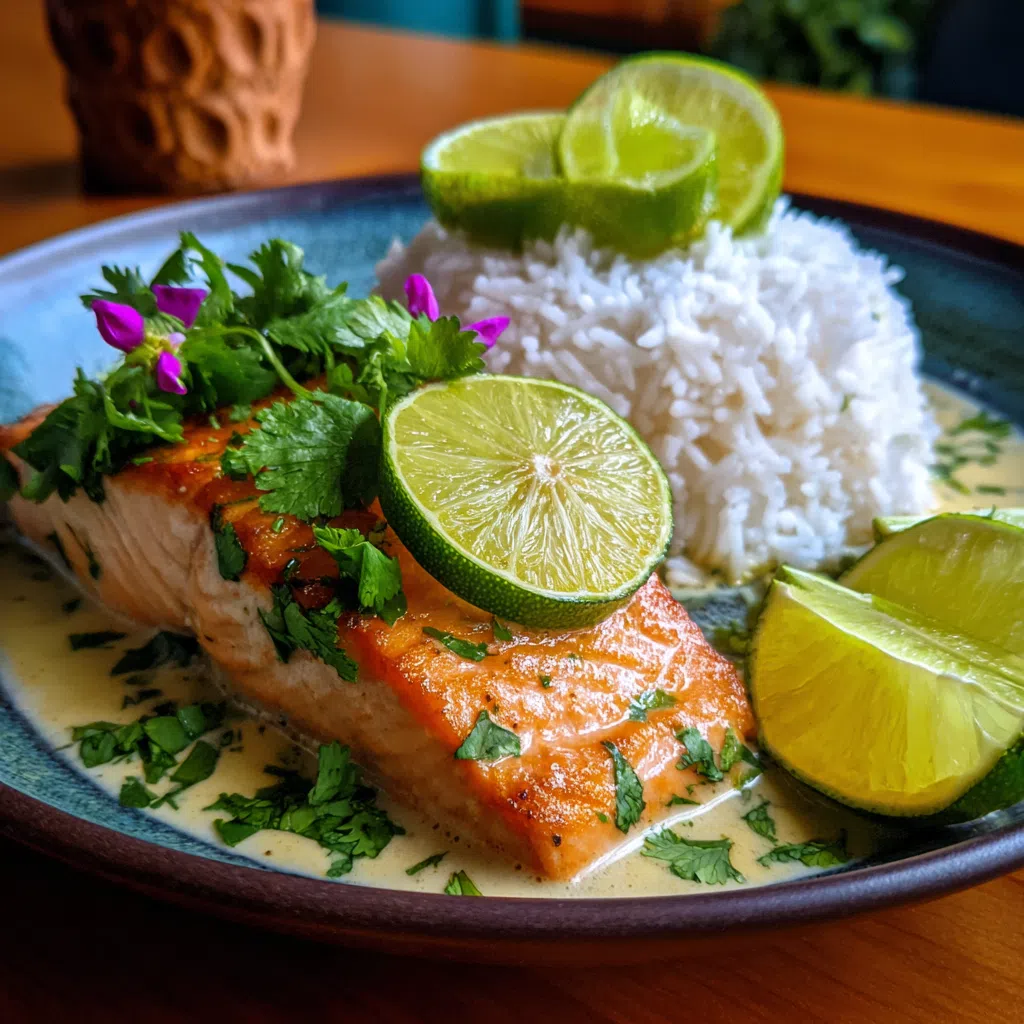
Coconut Lime Poached Salmon
The first time I tasted Coconut Lime Poached Salmon – A Refreshing, Flavorful Seafood Dish, I was hooked by the symphony of flavors and the tender texture that simply melted in my mouth.
I remember it was a sunny Sunday afternoon when I first made this dish for my family in our small beach house, using the freshest salmon fillets and the zest of a lime that added an extra layer of citrusy freshness.
It was during that afternoon, as we sat around the table and savored each bite, that I realized Coconut Lime Poached Salmon – A Refreshing, Flavorful Seafood Dish quickly became a cherished family favorite.
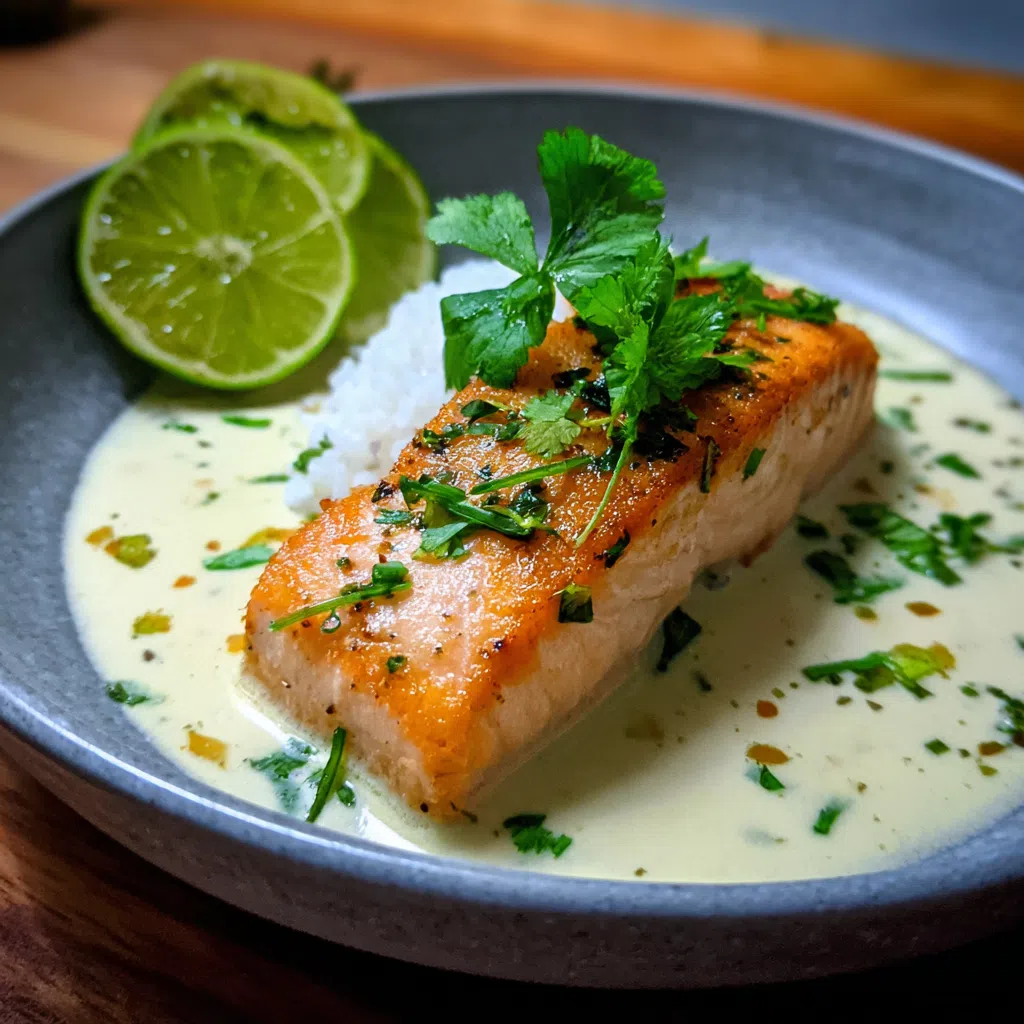
Why You’ll Love This Coconut Lime Poached Salmon – A Refreshing, Flavorful Seafood Dish
- The tender and flaky texture of the salmon, infused with the richness of coconut and the zing of lime.
- A flavor profile that balances the delicacy of the fish with the vibrant essence of lime and coconut, creating a truly refreshing taste experience.
- It takes exactly 12 minutes to cook to perfection, making it a quick and satisfying meal for any day of the week.
- This recipe is foolproof because it uses a simple and reliable poaching method that ensures the salmon is cooked evenly and retains its moisture.
- It’s perfect for a light and healthy dinner or as a centerpiece for a special occasion, such as a summer gathering or a birthday celebration.
Ingredients You’ll Need
- 4 salmon fillets (6 oz each)
- 1 cup coconut milk
- 2 tbsp freshly squeezed lime juice
- 2 tbsp honey
- 1 tsp grated ginger
- 1/4 cup chopped fresh cilantro
- Salt and pepper to taste
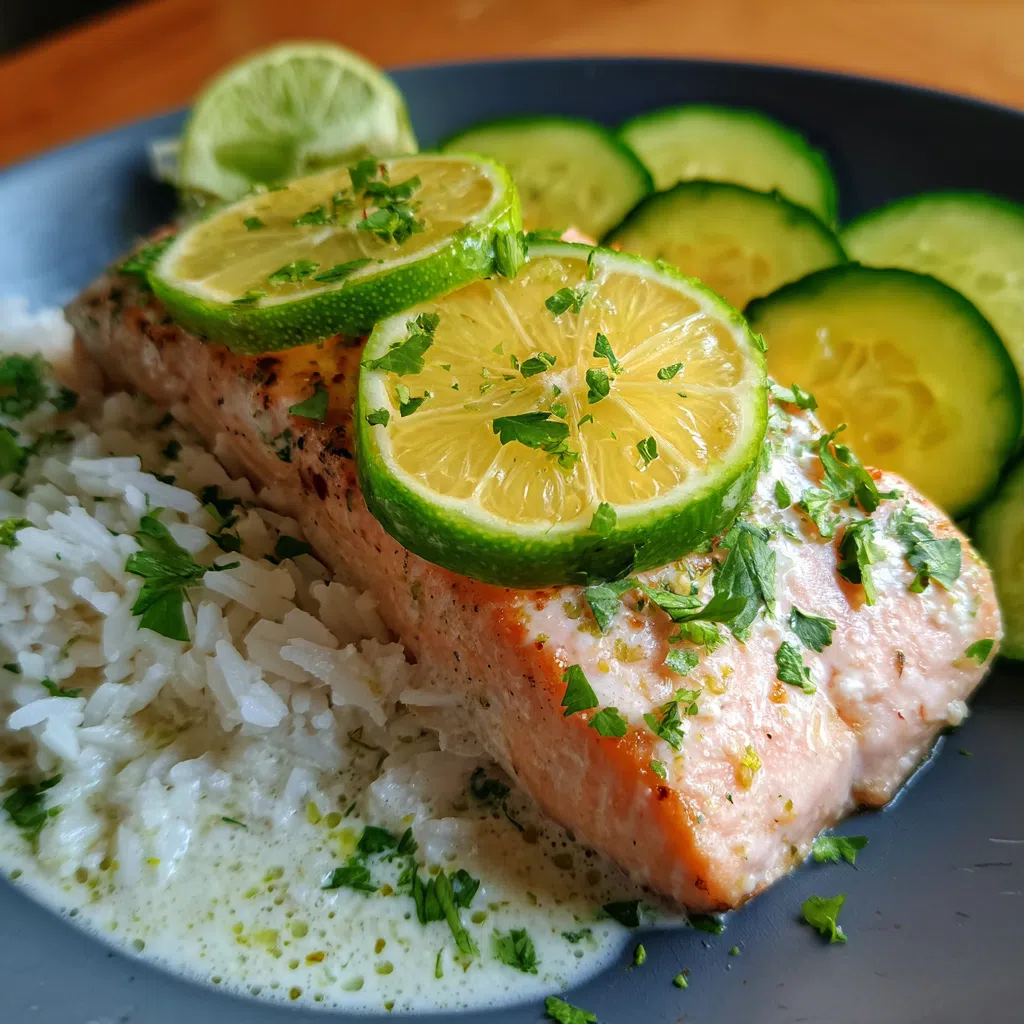
The star of the show is undoubtedly the fresh salmon fillets, which are rich in omega-3 fatty acids and have a deliciously firm texture that pairs beautifully with the creamy coconut milk and the burst of citrus from the fresh lime zest.
Expert Tips for the Best Coconut Lime Poached Salmon – A Refreshing, Flavorful Seafood Dish
- Using a gentle poaching liquid, such as a mixture of coconut milk, lime juice, and aromatics, is critical because it cooks the salmon evenly without overpowering its natural flavor, and it’s essential for achieving that tender flakiness.
- A common mistake is overcooking the salmon, which can make it dry and tough; to avoid this, always cook it for the recommended time and check for doneness by flaking it gently with a fork.
- For a pro upgrade, add some sautéed spinach or asparagus to the plate, which not only adds a pop of color but also complements the flavors of the dish with its earthy undertones.
- The salmon is done when it flakes easily with a fork and has an internal temperature of 145°F, ensuring it’s cooked through without being overdone.
- You can make the poaching liquid ahead of time and store it in the fridge for up to a day, allowing you to quickly cook the salmon whenever you’re ready for a delicious meal.
Variations and Substitutions
You can easily make this recipe gluten-free by substituting the soy sauce with tamari, swap the salmon with another fatty fish like tuna for a different flavor profile, or add a bold flavor twist by incorporating some diced mango or pineapple into the poaching liquid for a fruity and exotic twist.
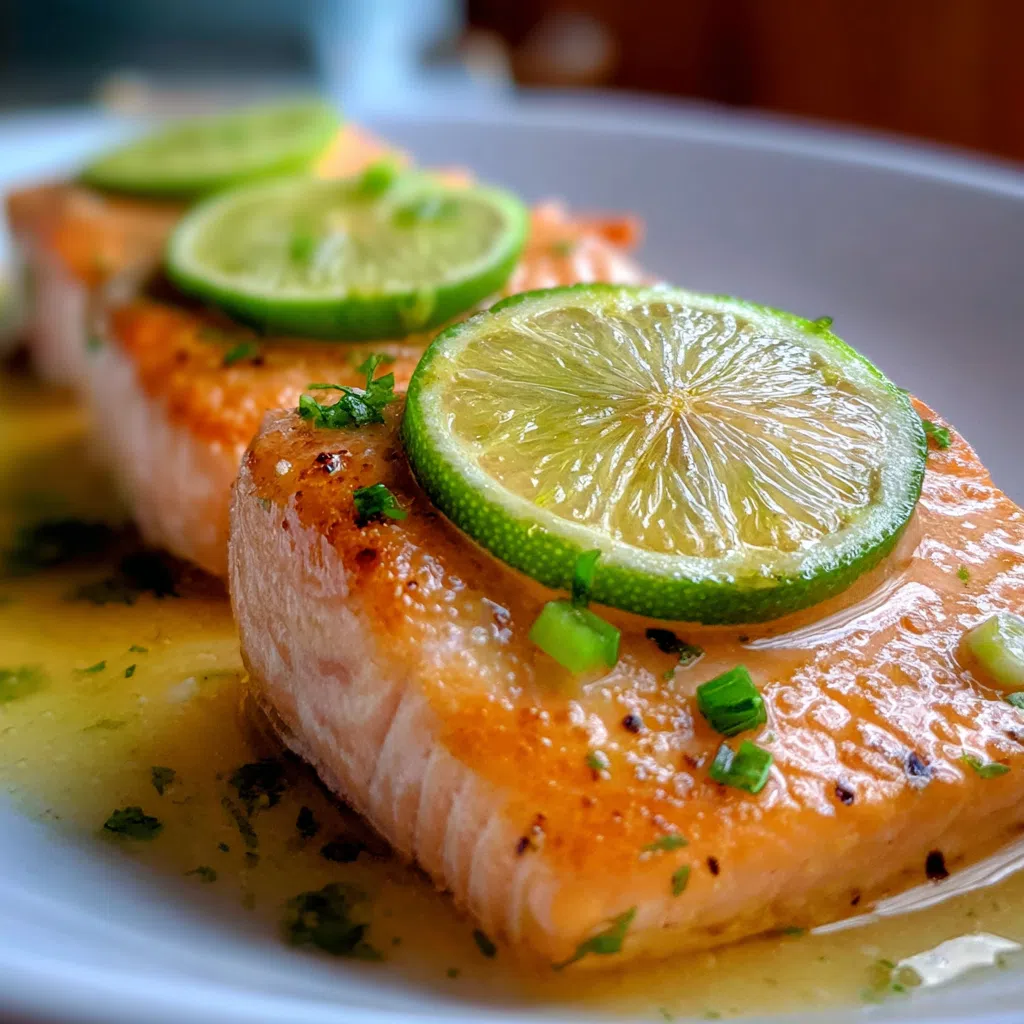
How to Store and Reheat
The cooked salmon can be stored in an airtight container in the fridge for up to 3 days and reheated gently in the microwave or oven; for longer storage, it can be frozen for up to 2 months and thawed overnight in the fridge before reheating.
Frequently Asked Questions
What is the best way to ensure the salmon is cooked evenly?
The best way to ensure the salmon is cooked evenly is by using a gentle poaching method and not overcrowding the pot, allowing each piece of fish to cook uniformly. Additionally, make sure the salmon is at room temperature before cooking to help it cook more evenly.
Can I substitute salmon with another type of fish?
Yes, you can substitute salmon with other fatty fish like tuna or mahi-mahi, but keep in mind that the cooking time might vary slightly depending on the thickness and type of the fish. It’s also important to choose a fish that has a similar texture and flavor profile to salmon for the best results.
How do I store and reheat cooked salmon to maintain its quality?
To store cooked salmon, place it in an airtight container and refrigerate it at a temperature of 40°F or below within two hours of cooking. For reheating, use a low-temperature oven or microwave to prevent drying out the fish, and always check the internal temperature to ensure food safety.
I invite you to try this Coconut Lime Poached Salmon – A Refreshing, Flavorful Seafood Dish and experience the magic of its flavors and textures for yourself. Whether you’re a seafood lover or just looking for a new dish to impress your family and friends, this recipe is sure to become a favorite in your household.
Coconut Lime Salmon
🧂 Ingredients
👩🍳 Instructions
-
1Preheat oven to 400°F (200°C).
-
2Season the salmon fillets with salt, pepper, and ginger.
-
3In a large saucepan, combine coconut milk, lime juice, and honey.
-
4Bring the mixture to a simmer over medium heat.
-
5Add the salmon fillets to the saucepan and poach for 8-10 minutes.
-
6Remove the salmon from the saucepan and place on a baking sheet.
-
7Drizzle with cilantro and bake for an additional 2-4 minutes.
-
8Serve immediately and enjoy!