
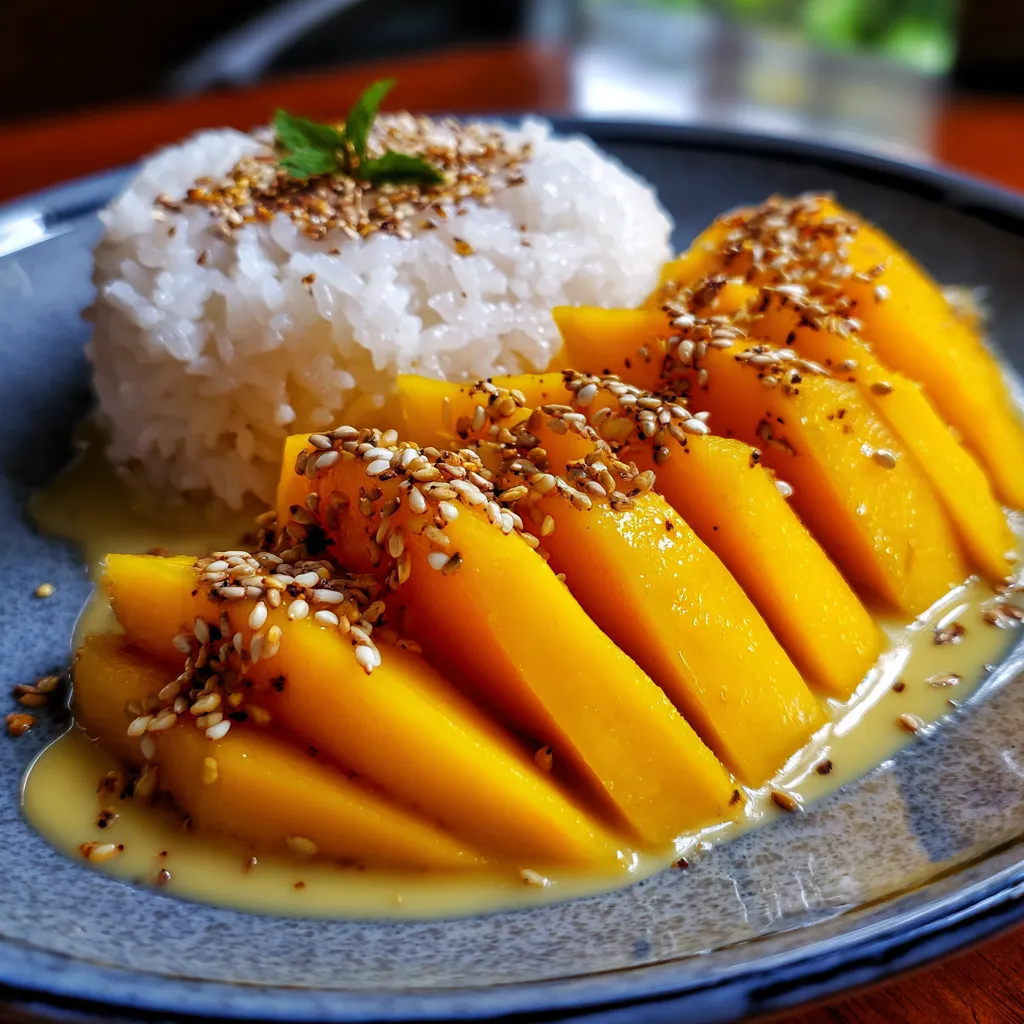
Best Ever Creamy Coconut Mango Sticky Rice Recipe
My first bite of Mango Sticky Rice wasn’t in a fancy restaurant, but from a bustling street vendor in Chiang Mai, Thailand. The air was thick with the scent of jasmine and sizzling satay, and then, this incredible aroma hit me: ripe mangoes, steaming glutinous rice, and sweet coconut milk. That moment, sitting on a tiny plastic stool, spooning the warm, creamy rice with slices of vibrant mango, was pure culinary bliss. It was a simple dessert, yet utterly unforgettable.
Ever since that trip, I’ve been obsessed with recreating that authentic magic at home. After countless attempts, testing different types of rice, various coconut milk ratios, and many taste tests with my toughest critics (my family!), I finally perfected this incredible MANGO STICKY RICE recipe. It’s a true family favorite, delivering that perfect balance of sweet, creamy, and satisfying in every bite. This isn’t just a dessert; it’s a tropical treat that instantly transports you to sun-drenched beaches and bustling Thai markets, making it a fantastic easy dessert for any occasion, from weeknight cravings to special gatherings. You’re going to want to make this now!
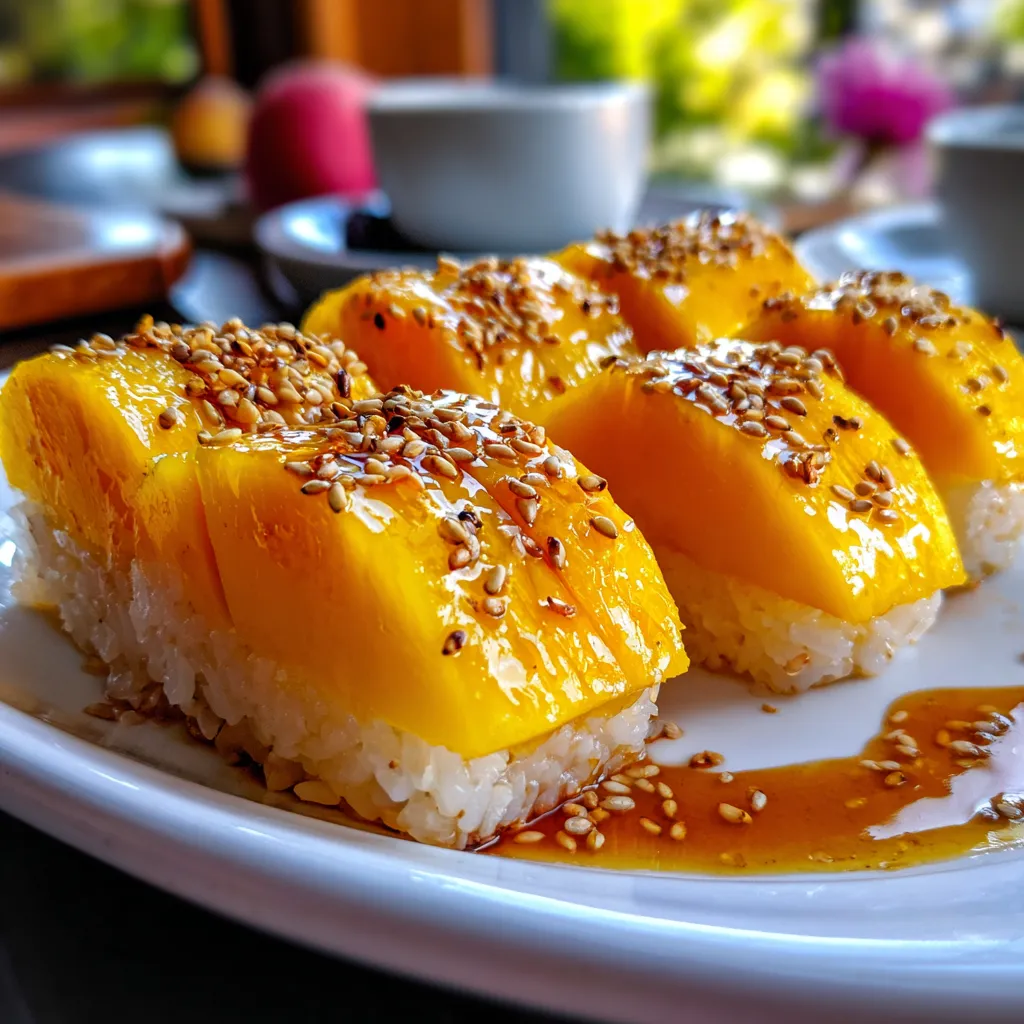
❤️ Why You’ll Be Obsessed with This Mango Sticky Rice
- Irresistibly Delicious: This dessert hits all the right notes! The sweetness of perfectly ripe mangoes, the richness of coconut cream, and the unique, chewy texture of sticky rice create a symphony of flavors and sensations that are utterly addictive. It’s a dessert that truly satisfies.
- Naturally Gluten-Free & Vegan-Friendly: Made with simple, wholesome ingredients, this recipe is inherently gluten-free and can easily be kept vegan, making it a wonderful option for guests with various dietary needs. It’s a crowd-pleaser that everyone can enjoy without compromise.
- Surprisingly Easy to Make: Don’t let its exotic appeal fool you! While traditional sticky rice preparation might seem daunting, my step-by-step method simplifies the process, making it accessible even for novice cooks. You’ll be amazed at how effortlessly you can create this restaurant-quality dish at home.
- A Taste of the Tropics at Home: Each spoonful transports you to the vibrant streets of Thailand. It’s the perfect antidote to a dreary day or a fantastic way to cap off a summer meal, bringing a touch of sunshine and exotic flair right to your dining table.
- Perfect for Any Occasion: Whether you’re looking for a simple weeknight treat, an impressive dessert for a dinner party, or a unique brunch item, Mango Sticky Rice fits the bill perfectly. Its vibrant colors and unique presentation make it a showstopper every time.
- Customizable Sweetness: You have full control over the level of sweetness in the coconut sauce. Prefer it less sweet? Adjust the sugar. Want it more decadent? Add a touch extra. It’s easy to tailor it to your personal preference, ensuring it’s always just right for you.
- Engages All Your Senses: From the vibrant golden hue of the mangoes and the pristine white of the rice, to the silky texture of the coconut sauce and the delightful aroma that fills your kitchen, this dish is a feast for the eyes, nose, and palate. It’s a truly immersive culinary experience.
- A Healthyish Indulgence: While it is a dessert, it’s packed with the goodness of fresh fruit and uses coconut milk, which offers healthy fats. It feels decadent but offers a bit more nutritional value than many other sweet treats.
What You Need to Make This Heavenly Dessert
You only need a few simple pantry staples for this recipe! The beauty of authentic Mango Sticky Rice lies in the quality of its core ingredients. While it looks impressive, the ingredient list is surprisingly short and sweet. Check the full printable recipe card below for detailed measurements and any specific notes on ingredient selection, ensuring you have everything perfectly portioned for success.
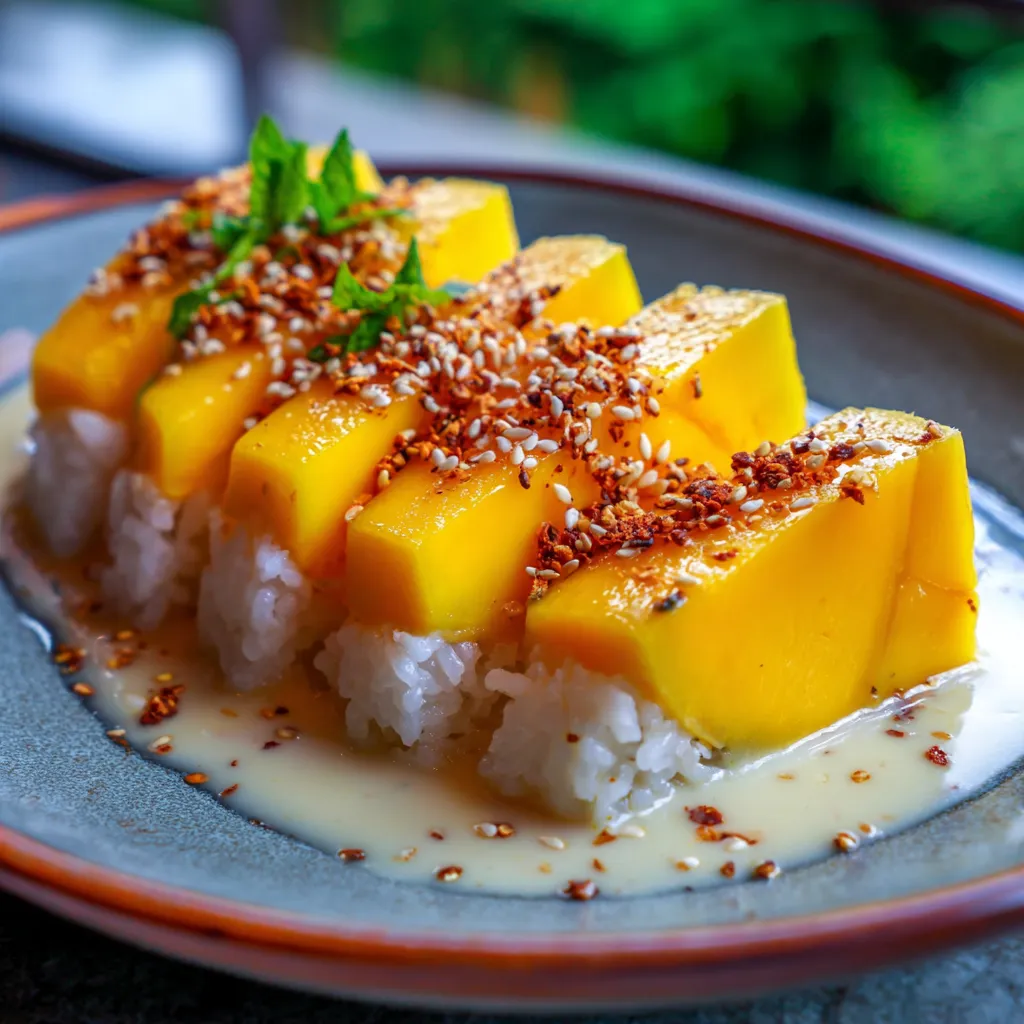
💡 Pro Tips for Perfect Mango Sticky Rice Every Time
- Choose the Right Rice: This is CRUCIAL! You must use glutinous rice, also known as sticky rice or sweet rice (often labeled “sweet sticky rice”). Regular long-grain or jasmine rice will NOT give you the correct texture. Look for it in Asian grocery stores.
- Soak Your Rice Properly: Don’t skip the soaking step! Soaking the glutinous rice for at least 4-6 hours, or ideally overnight, significantly reduces steaming time and ensures the rice cooks evenly to that perfect, tender, and chewy consistency. This is key to its “sticky” nature.
- Perfect Steaming Technique: While you can use a bamboo steamer, a steamer basket over a pot of boiling water works perfectly. Ensure the water doesn’t touch the rice. Steam until the grains are translucent and tender, usually around 20-30 minutes. If using a rice cooker with a ‘sticky rice’ setting, follow those instructions.
- Select Ripe Mangoes: The quality of your mangoes makes a huge difference. Choose ripe, fragrant mangoes that yield slightly to gentle pressure. Popular varieties for this dish include Alphonso (when in season), Ataulfo (honey mangoes), or Carabao mangoes, known for their sweetness and less fibrous texture. Avoid overly firm or unripe mangoes.
- Balance the Sweetness of the Coconut Sauce: The coconut sauce is the heart of the dish. Use full-fat coconut milk or cream for the richest flavor and silkiest texture. Taste and adjust the sugar and salt to your preference. A tiny pinch of salt enhances the sweetness beautifully, preventing it from being cloyingly sweet.
- Combine Rice and Sauce While Warm: Once the rice is steamed, immediately transfer it to a bowl and pour the warm coconut sauce over it. Cover and let it sit for at least 15-20 minutes. The warm rice will absorb the sweet coconut milk, becoming infused with flavor and taking on that signature creamy texture.
- Garnish for Flavor and Presentation: Toasted sesame seeds (white or black) or crispy fried mung beans are traditional garnishes that add a delightful textural contrast and nutty flavor. A fresh mint sprig can also add a pop of color.
- Serving Temperature is Key: Mango Sticky Rice is best served slightly warm or at room temperature. The subtle warmth of the rice and coconut sauce contrasts beautifully with the cool, fresh mango. Avoid serving it chilled, as the rice can harden.
- Don’t Overmix the Rice: When folding in the coconut sauce, be gentle. You want to incorporate the sauce without mashing the delicate rice grains, which could lead to a gummy texture.
Creative Variations & Smart Substitutions
While the classic Mango Sticky Rice is perfect as is, you can certainly play around with a few elements to suit your taste or dietary needs. Remember, the core appeal lies in the sweet, creamy, and fruity combination!
- Sweetener Alternatives: Instead of granulated sugar, you can use palm sugar for a more authentic, caramel-like depth of flavor. Maple syrup or agave nectar can also be used as vegan alternatives, adjusting the quantity to achieve your desired sweetness.
- Coconut Milk Options: For a lighter version, you could use light coconut milk for the rice, but I highly recommend full-fat coconut milk or even coconut cream for the sauce. The richness is truly what makes this dish shine. Always ensure it’s unsweetened.
- Different Toppings: Beyond toasted sesame seeds, try a sprinkle of crunchy toasted coconut flakes, finely chopped pistachios for a lovely color contrast, or even a drizzle of pandan-infused coconut milk for an extra layer of fragrant flavor.
- Fruit Varieties: While mango is king, other fruits can also pair surprisingly well. Lychees, durian (for the adventurous!), or even ripe papaya could be interesting substitutes, though they will change the traditional flavor profile significantly.
- Spice It Up (Subtly): A tiny pinch of cardamom or a whisper of vanilla extract in the coconut sauce can add a delightful warmth and complexity, though this deviates from the traditional Thai preparation.
- Gluten-Free & Vegan: Good news! Authentic Mango Sticky Rice is naturally both gluten-free and vegan, provided you use pure glutinous rice, coconut milk, and a plant-based sweetener. No special substitutions needed here!
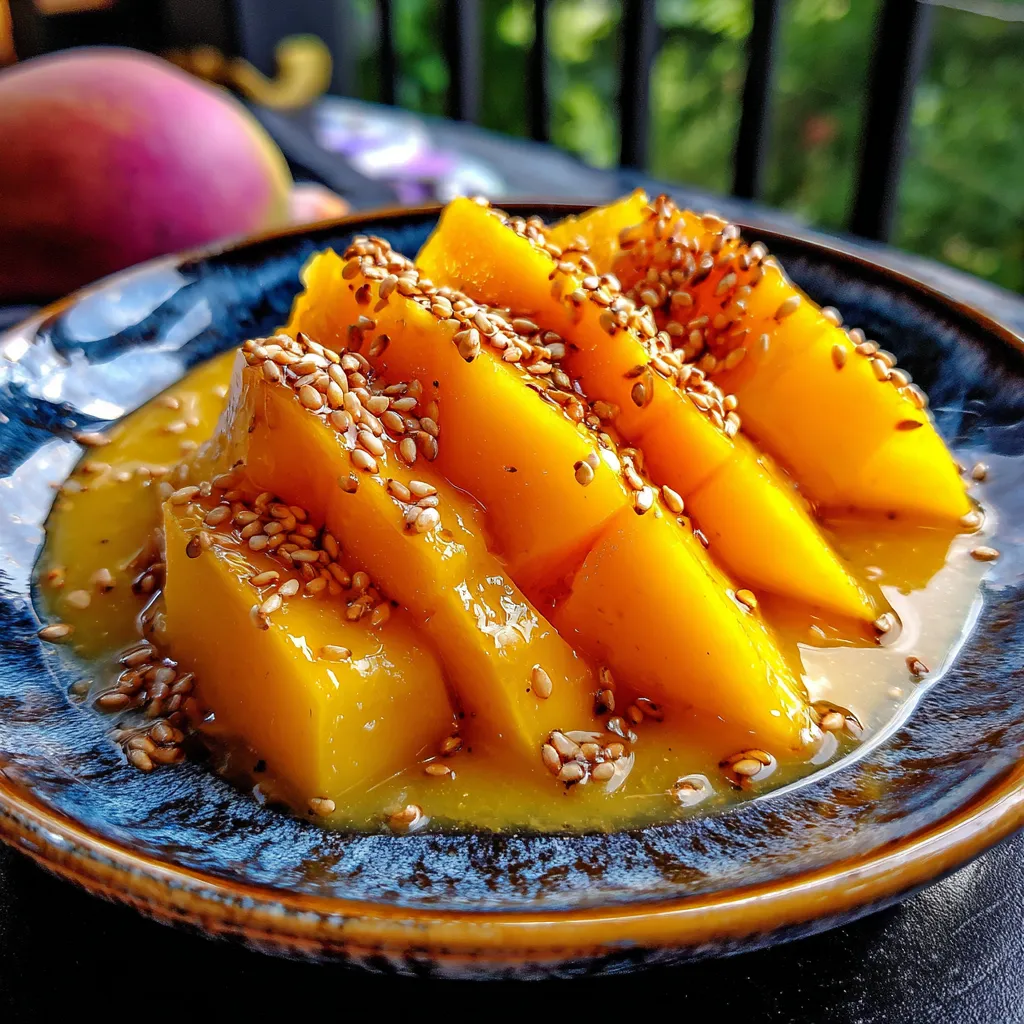
Storage & Freezing Tips to Keep It Fresh
Mango Sticky Rice is truly best enjoyed fresh, ideally within a few hours of preparation. The texture of the sticky rice and the vibrancy of the mangoes are at their peak. However, if you have leftovers, here’s how to store them:
- Refrigeration: Store leftover Mango Sticky Rice in an airtight container in the refrigerator for up to 1-2 days. The rice will firm up and become less sticky when cold, and the mangoes may lose some of their freshness.
- Reheating (Optional): If you prefer it warm, you can gently reheat the rice portion in a microwave for short bursts, or steam it briefly until softened. Add a splash of fresh coconut milk if it seems dry. Serve with fresh mango slices, as reheated mango tends to become mushy.
- Freezing: I do NOT recommend freezing Mango Sticky Rice. The texture of the glutinous rice changes significantly upon freezing and thawing, often becoming hard and crumbly. Fresh mangoes also don’t freeze well for this specific dish, losing their smooth texture. It’s best to enjoy this delightful dessert fresh!
Frequently Asked Questions About Mango Sticky Rice
Q: What kind of rice should I use for Mango Sticky Rice?
A: You absolutely must use glutinous rice, also known as sticky rice or sweet rice. It’s a special variety of short-grain rice that becomes incredibly sticky and chewy when cooked, which is essential for this dish. Regular jasmine or basmati rice will not work.
Q: Can I make the coconut sauce ahead of time?
A: Yes, you can! Prepare the sweet coconut milk sauce up to a day in advance and store it in an airtight container in the refrigerator. Gently reheat it over low heat, stirring occasionally, before pouring it over the warm steamed rice. This can save you a little time on the day of serving.
Q: How do I know if my mangoes are ripe enough?
A: A ripe mango will have a sweet, fruity aroma near the stem and will give slightly to gentle pressure, similar to a ripe avocado or peach. The color isn’t always the best indicator, as some varieties stay green even when ripe. Avoid mangoes that are overly soft, bruised, or have a sour smell.
Q: Is Mango Sticky Rice served warm or cold?
A: Traditionally, Mango Sticky Rice is served slightly warm or at room temperature. The warmth of the rice and the sweet coconut sauce beautifully complements the cool, fresh mango. Serving it directly from the fridge can make the rice firm and less enjoyable.
Q: My sticky rice isn’t sticky enough. What went wrong?
A: The most common reasons for non-sticky rice are not using true glutinous rice, not soaking it long enough, or not steaming it for the appropriate duration. Ensure you’re using the correct type of rice and follow the soaking and steaming times closely. Sometimes, the quality of the rice can also vary, so experiment with different brands if you face consistent issues.
There you have it! Everything you need to create the most incredible, authentic Mango Sticky Rice right in your own kitchen. This dessert is more than just a sweet treat; it’s a vibrant, comforting, and utterly delightful experience that’s sure to impress everyone lucky enough to try it. So, grab your ingredients, embrace the joy of cooking, and get ready to indulge in this tropical paradise. Don’t forget to pin this recipe for later so you can revisit this sweet escape again and again!
Creamy Coconut Mango Sticky Rice – Easy Dessert Recipe
Ingredients
- 2 cups glutinous rice
- 1 can (13.5 oz) full-fat coconut milk
- 1/2 cup granulated sugar
- 1/4 tsp salt
- 2 ripe fresh mangoes
- toasted sesame seeds (for garnish)
Instructions
- Step 1 1. Rinse glutinous rice thoroughly under cold water until the water runs clear. Soak the rice in plenty of cold water for at least 4-6 hours, or ideally overnight (up to 12 hours). Drain the soaked rice very well before steaming.
- Step 2 2. Prepare your steamer: Line a steamer basket with cheesecloth or a banana leaf (optional). Place the drained glutinous rice in the steamer. Bring water to a boil in the pot below (ensure water doesn't touch the rice). Steam the rice for 20-30 minutes, or until the grains are translucent, tender, and sticky.
- Step 3 3. While the rice is steaming, prepare the sweet coconut sauce. In a medium saucepan, combine the full-fat coconut milk, granulated sugar, and salt. Heat over medium-low heat, stirring constantly until the sugar completely dissolves and the mixture is warm. Do not boil. Remove from heat.
- Step 4 4. Reserve about 1/4 cup of the coconut sauce for drizzling later. Transfer the hot steamed rice to a large mixing bowl. Immediately pour the remaining warm coconut sauce over the rice. Stir gently with a wooden spoon or spatula until the sauce is fully incorporated and absorbed by the rice. Cover the bowl tightly with a lid or plastic wrap and let it sit for 15-20 minutes. This allows the rice to fully absorb the flavors and become perfectly creamy.
- Step 5 5. While the rice is resting, prepare the mangoes. Peel the ripe mangoes and carefully slice the cheeks off. Cut the mango meat into long slices or cubes, discarding the pit.
- Step 6 6. To serve: Scoop a portion of the warm sticky rice onto individual plates. Arrange the fresh mango slices alongside the rice. Drizzle with the reserved coconut sauce and sprinkle with toasted sesame seeds (or other preferred garnish like toasted coconut flakes). Serve immediately and enjoy!