
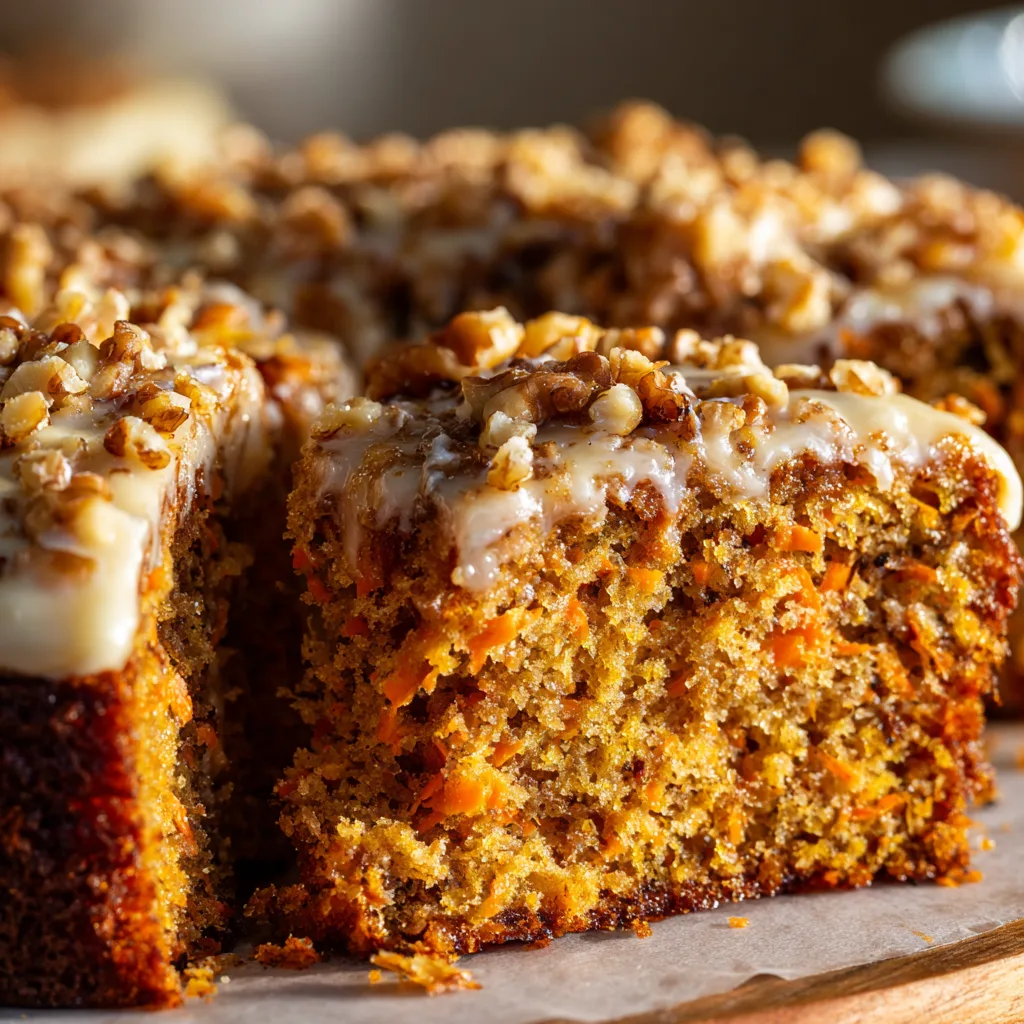
The Ultimate Carrot Cake with Brown Butter Cream Cheese Icing
There is a profound difference between a standard carrot cake and one that has been crafted with intention. While many versions rely on sugar and oil for moisture, the ultimate carrot cake finds its soul in the balance of warm spices, toasted pecans, and the deep, nutty complexity of brown butter. This recipe elevates the classic dessert from a simple tea-time staple to a sophisticated masterpiece. By browning the butter for the icing, we transform a traditional tangy topping into a rich, caramel-noted frosting that perfectly complements the earthy sweetness of the carrots.
Ingredients
For the Carrot Cake:
-
2 ½ cups all-purpose flour
-
2 teaspoons baking soda
-
1 teaspoon baking powder
-
1 ½ teaspoons ground cinnamon
-
1 teaspoon ground ginger
-
½ teaspoon ground nutmeg
-
½ teaspoon salt
-
1 cup granulated sugar
-
1 cup packed light brown sugar
-
1 cup vegetable oil (or melted coconut oil)
-
½ cup unsweetened applesauce
-
4 large eggs, room temperature
-
2 teaspoons pure vanilla extract
-
3 cups finely grated carrots (about 5–6 medium carrots)
-
1 cup chopped pecans or walnuts, toasted
-
½ cup raisins or crushed pineapple (optional)
For the Brown Butter Cream Cheese Icing:
-
1 cup (2 sticks) unsalted butter
-
16 oz (two blocks) full-fat cream cheese, softened to room temperature
-
4 cups powdered sugar, sifted
-
2 teaspoons pure vanilla extract
-
½ teaspoon fine sea salt
-
1 tablespoon heavy cream (if needed for consistency)
Step-by-Step Instructions
1. Brown the Butter: In a medium saucepan, melt the 1 cup of butter over medium heat. Continue cooking, swirling the pan occasionally. The butter will foam, then turn clear golden, and finally develop toasted brown specks at the bottom. Once it smells nutty and looks like the color of a penny, remove it from the heat immediately. Pour the butter (including the brown bits) into a small bowl and refrigerate until it reaches a soft solid consistency—roughly the texture of softened butter.
2. Prepare the Oven and Pans: Preheat your oven to 350°F (175°C). Grease two 9-inch round cake pans with butter or non-stick spray and line the bottoms with parchment paper. This ensures the cakes release perfectly without sticking.
3. Whisk the Dry Ingredients: In a medium bowl, whisk together the flour, baking soda, baking powder, cinnamon, ginger, nutmeg, and salt. Set aside.
4. Combine the Wet Ingredients: In a large mixing bowl, whisk the granulated sugar, brown sugar, oil, and applesauce until smooth. Add the eggs one at a time, beating well after each addition. Stir in the vanilla extract.
5. Fold in the Carrots and Nuts: Gently fold the dry ingredients into the wet mixture using a spatula until just combined. Do not overmix. Fold in the grated carrots and the toasted pecans.
6. Bake the Layers: Divide the batter evenly between the prepared pans. Bake for 35–40 minutes, or until a toothpick inserted into the center comes out clean. Allow the cakes to cool in the pans for 15 minutes before inverting them onto a wire rack to cool completely.
7. Whip the Icing: Place the solidified brown butter and the softened cream cheese in a large bowl. Using a stand mixer or hand mixer, beat on medium-high speed until pale and fluffy (about 3 minutes). Add the vanilla and salt. Gradually add the powdered sugar one cup at a time, beating on low speed until incorporated, then high for a minute until light and airy.
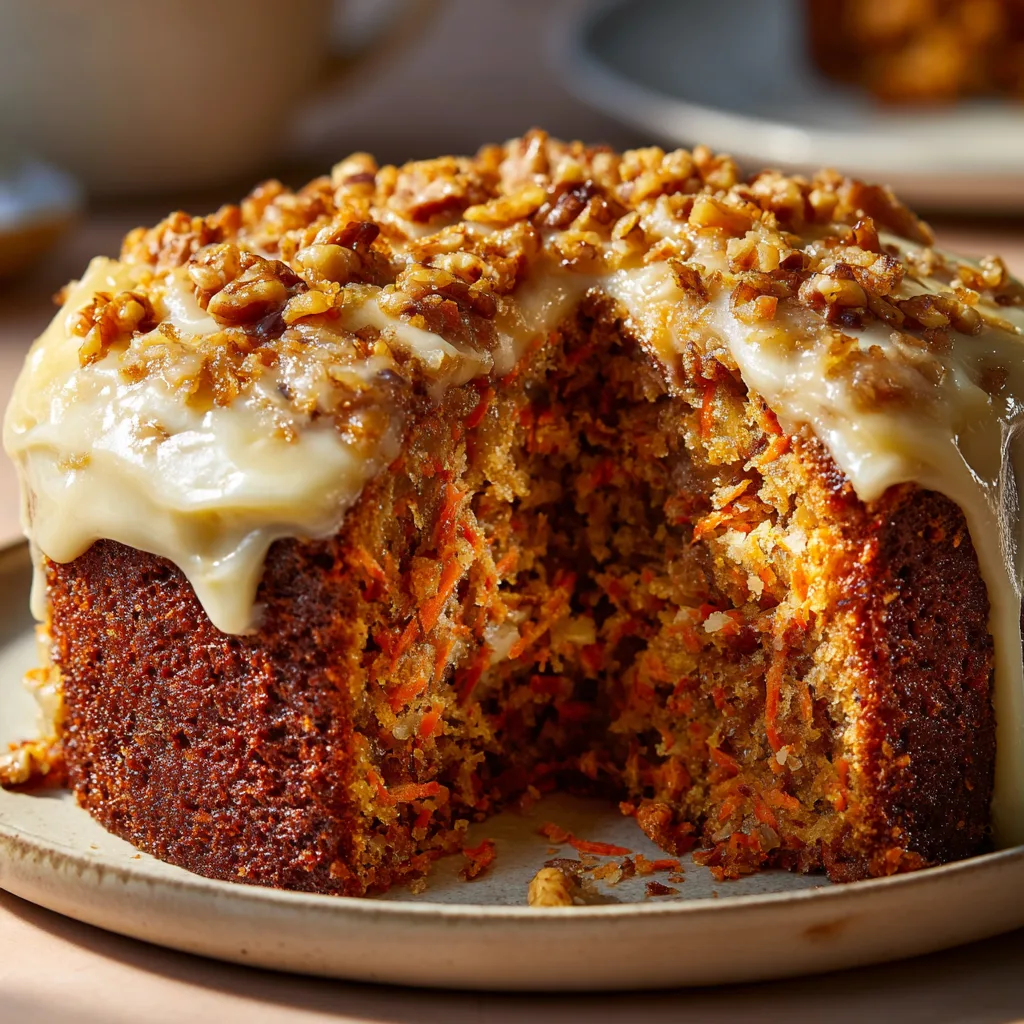
8. Assemble the Cake: Place one cake layer on a serving plate. Spread a generous layer of brown butter icing over the top. Place the second layer on top and cover the top and sides of the cake with the remaining icing. Garnish with extra toasted pecans if desired.
The Science of Texture and Flavor
The secret to a superior carrot cake lies in the moisture-to-structure ratio. Using a combination of oil and applesauce provides a tender crumb that remains moist for days, unlike butter-based cakes which can firm up significantly when refrigerated. The applesauce acts as a natural humectant while reducing the overall greasiness often found in commercial carrot cakes. Furthermore, finely grating the carrots is essential; thick shreds can lead to a “stringy” texture, whereas fine shreds melt into the batter during the baking process, releasing their natural sugars and creating a uniform consistency.
The spice profile is equally vital. While cinnamon is the dominant note, the inclusion of ginger and nutmeg adds a “back-of-the-palette” warmth that cuts through the richness of the icing. Allowing the cake to rest for a few hours—or even overnight—allows these spices to bloom and the flavors to meld, resulting in a more complex taste profile.
Why Brown Butter Changes Everything
Standard cream cheese frosting is iconic, but it can sometimes be one-dimensionally sweet. By browning the butter, you introduce a toasted, savory element that anchors the sugar. During the browning process, known as the Maillard reaction, the milk solids in the butter caramelize. When these toasted solids are whipped into the cream cheese, they provide a sophisticated saltiness and a depth of flavor reminiscent of toffee.
To achieve the best results with brown butter icing, temperature control is key. You cannot use the butter while it is liquid, or the frosting will break and become oily. Chilling it back to a soft solid state allows it to emulsify properly with the cream cheese, resulting in a frosting that is stable enough for piping but soft enough to melt in your mouth.
Essential Tips for Success
To ensure your carrot cake turns out perfectly every time, always toast your nuts before adding them to the batter. Five minutes in a 350°F oven releases the essential oils in pecans or walnuts, preventing them from becoming soggy inside the cake. Additionally, ensure your cream cheese is truly at room temperature. Cold cream cheese is the primary cause of lumpy frosting; it must be soft enough that a finger leaves an indentation with no resistance.
If you prefer a cake with more texture, this recipe is highly adaptable. You can add half a cup of raisins for bursts of sweetness or crushed pineapple (drained well) for a tropical acidity that brightens the heavy crumb. Whatever your preference, the foundation of toasted spices and brown butter remains the golden standard for this beloved dessert.

Storing and Serving Your Masterpiece
Because of the high moisture content and the dairy in the icing, this cake should be stored in the refrigerator. However, serving temperature is critical. Always bring the cake to room temperature for at least 30 to 60 minutes before serving. This allows the brown butter in the icing to soften and the flavors of the cake to become more pronounced.
A well-made Carrot Cake with Brown Butter Icing is more than just a dessert; it is a celebration of textures and artisanal flavors. Whether served at a spring celebration or a cozy autumn gathering, it remains a timeless favorite that proves that sometimes, the classic recipes are the best—especially when given a modern, nutty twist.