

Blueberry Lemon Drop Biscuits
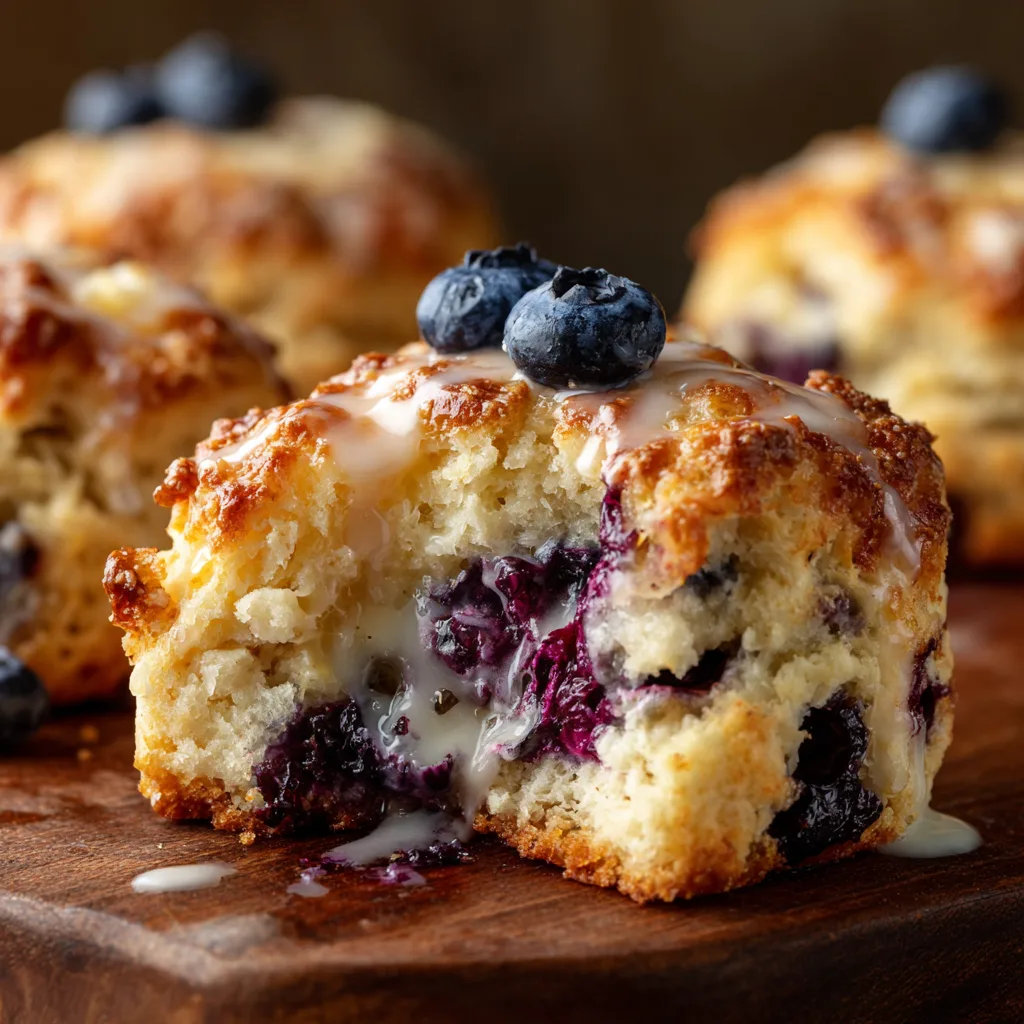
Bright, tangy, and irresistibly buttery, Blueberry Lemon Drop Biscuits are the perfect fusion of a classic breakfast scone and a zesty summer dessert. Unlike traditional rolled biscuits that require precise folding and cutting, these “drop” biscuits are celebrated for their rustic, craggy tops and tender, cake-like interior. The acidity of fresh lemon juice reacts with the leavening agents to create an airy lift, while the bursts of jammy blueberries provide a sweet contrast to the citrus-infused dough. Whether served warm with a smear of salted butter or drizzled with a simple vanilla glaze, these biscuits offer a sophisticated twist on comfort food that is surprisingly easy to master at home.
Ingredients You’ll Need
For the Biscuits:
-
All-Purpose Flour: 2 ½ cups (spooned and leveled)
-
Granulated Sugar: 1/3 cup (plus more for sprinkling)
-
Baking Powder: 1 tablespoon
-
Baking Soda: ½ teaspoon
-
Salt: ½ teaspoon
-
Unsalted Butter: ½ cup (1 stick), grated and frozen
-
Fresh Blueberries: 1 cup (tossed in 1 tsp flour)
-
Lemon Zest: 2 tablespoons (about 2 large lemons)
-
Cold Buttermilk: 1 cup
-
Fresh Lemon Juice: 1 tablespoon
-
Vanilla Extract: 1 teaspoon
For the Lemon Glaze (Optional):
-
Powdered Sugar: 1 cup
-
Lemon Juice: 2 tablespoons
-
Lemon Zest: ½ teaspoon
Step-by-Step Instructions
-
Prep the Oven and Pan: Preheat your oven to 425°F (218°C). Line a large baking sheet with parchment paper or a silicone baking mat to prevent sticking.
-
Mix Dry Ingredients: In a large mixing bowl, whisk together the flour, sugar, baking powder, baking soda, salt, and lemon zest. Ensure the zest is well-distributed so it doesn’t clump.
-
Incorporate the Butter: Take your frozen, grated butter and toss it into the flour mixture. Use a pastry cutter or your fingertips to work the butter in until the mixture resembles coarse crumbs with some pea-sized pieces remaining.
-
Add the Berries: Gently fold in the fresh blueberries. Tossing them in a teaspoon of flour beforehand helps prevent them from sinking or bleeding too much color into the dough.
-
Combine Wet and Dry: In a small measuring cup, stir the lemon juice and vanilla into the cold buttermilk. Pour this into the dry ingredients. Stir with a wooden spoon or spatula just until a shaggy dough forms. Do not overmix, or the biscuits will be tough.
-
Drop the Dough: Use a large cookie scoop or a ¼-cup measuring cup to drop mounds of dough onto the prepared baking sheet, spaced about 2 inches apart.
-
Bake: Place the sheet in the oven and bake for 15–18 minutes, or until the tops are golden brown and the edges are crisp.
-
Glaze and Serve: While the biscuits cool slightly, whisk the glaze ingredients together. Drizzle over the warm biscuits and serve immediately.
The Secret to the Perfect Drop Biscuit Texture
The primary appeal of a drop biscuit lies in its textural contrast: a crunchy, golden exterior and a soft, moist center. Achieving this requires a delicate balance of moisture and temperature. Because drop biscuits contain a higher ratio of liquid to flour than rolled biscuits, the dough is stickier and more hydrated. This extra moisture creates steam during the high-heat baking process, which is what gives the biscuit its fluffiness despite the lack of traditional laminated layers.
Temperature is the most critical factor in this process. Keeping the butter frozen—and the buttermilk ice-cold—ensures that the fats do not melt into the flour before the tray hits the oven. When those cold bits of butter finally meet the intense heat of a 425°F oven, they expand and create tiny air pockets. If the butter is at room temperature, the biscuits will spread into flat, greasy discs rather than holding their craggy, upright shape.
Elevating Flavor with Citrus and Berries
Lemon and blueberry are a classic culinary pairing for a reason: they balance each other’s pH levels and flavor profiles perfectly. The lemon zest provides the aromatic oils that carry the scent of the biscuit, while the juice provides the acidity needed to tenderize the gluten. When selecting lemons, always zest them before juicing, and try to use organic fruit if possible, as the skin is where the highest concentration of flavor resides.
When it comes to blueberries, fresh is generally preferred for drop biscuits to maintain the structural integrity of the dough. However, if you are using frozen berries, do not thaw them. Thawing causes the juice to run, which will turn your entire batch of dough a murky purple-grey. By adding frozen berries directly to the mix, they hold their shape long enough for the dough to set around them in the oven, resulting in beautiful, isolated “pops” of blue throughout the golden pastry.
Serving Suggestions and Storage Tips
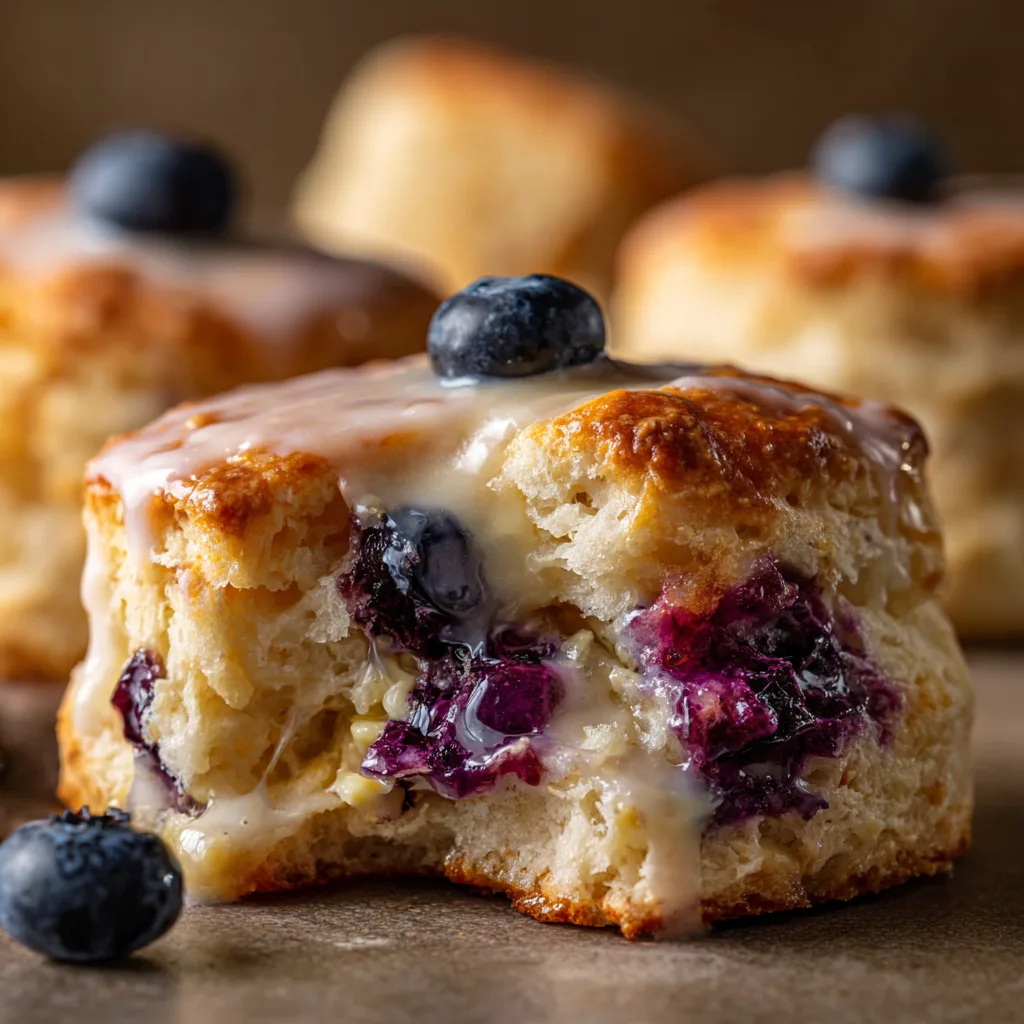
While these biscuits are spectacular on their own, they can easily be transformed into a variety of dishes. For a brunch showstopper, split a warm biscuit in half and top it with a dollop of lemon curd and whipped cream to create a “Blueberry Lemon Shortcake.” For a savory-sweet contrast, serve them alongside crispy bacon or a spicy breakfast sausage gravy. The acidity of the lemon cuts through the richness of fatty meats beautifully.
If you have leftovers, store them in an airtight container at room temperature for up to two days. To recapture that fresh-from-the-oven crunch, avoid the microwave, which can make the dough rubbery. Instead, reheat the biscuits in a toaster oven or a standard oven at 350°F for about five minutes. For longer storage, these biscuits freeze exceptionally well. You can freeze the unbaked dough mounds on a tray and bake them directly from frozen, simply adding 3–5 minutes to the total baking time for a fresh, homemade treat whenever the craving strikes.