
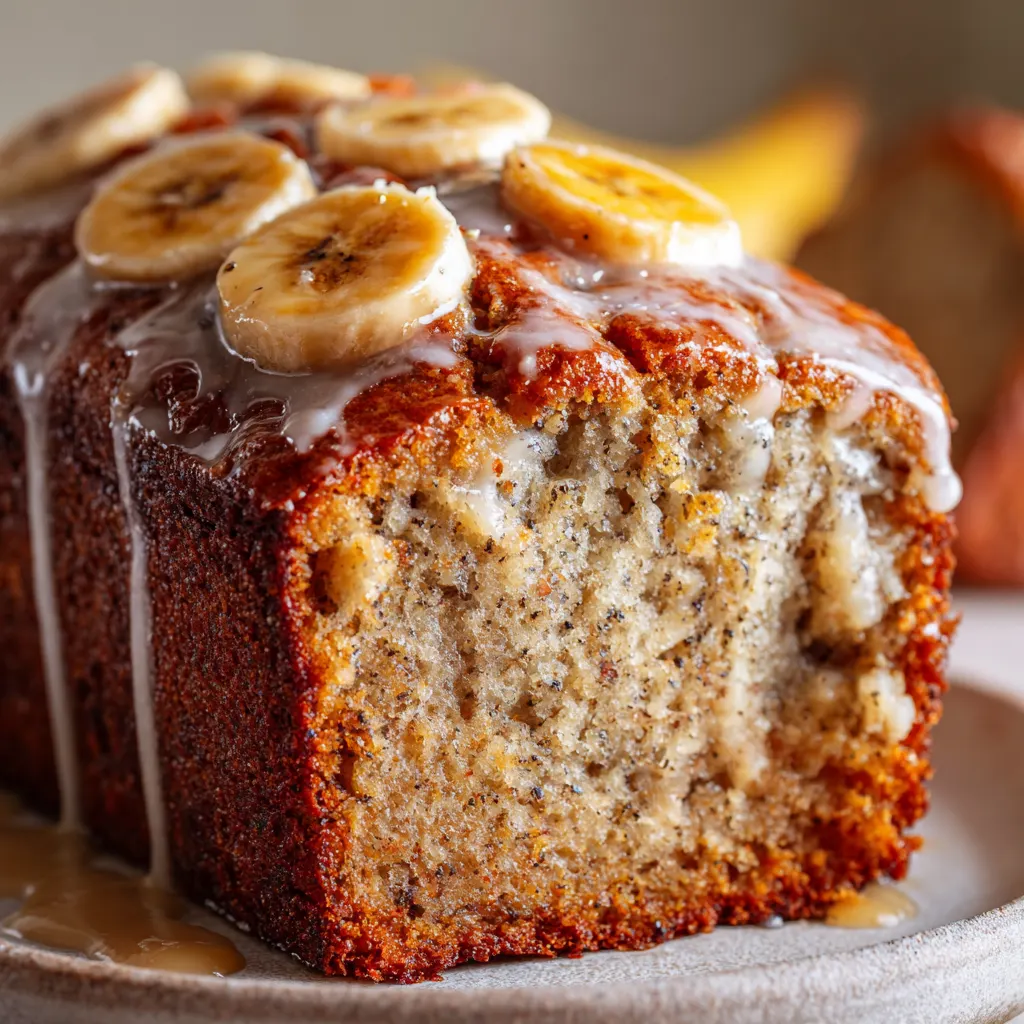
The Ultimate Moist Banana Bread with Salted Maple Butter Glaze
There is something profoundly comforting about the aroma of banana bread wafting through a home. It is a timeless classic, yet the difference between a standard loaf and an extraordinary one lies in the harmony of textures and the depth of sweetness. This recipe elevates the humble tea cake into a gourmet dessert by pairing a dense, ultra-moist crumb with a luxurious salted maple butter glaze. The maple syrup adds a woody, autumnal complexity that complements the natural sugars of overripe bananas, while a hint of salt in the icing cuts through the richness, creating a perfectly balanced bite. Whether you are looking for a decadent breakfast or a crowd-pleasing afternoon treat, this version stands as the definitive take on a beloved staple.
The Ingredients You’ll Need
For the Banana Bread:
-
Overripe Bananas: 3 large (the blacker the spots, the better the flavor).
-
Unsalted Butter: ½ cup (melted and slightly cooled).
-
Granulated Sugar: ½ cup.
-
Brown Sugar: ½ cup (packed; adds moisture and a caramel note).
-
Egg: 1 large, room temperature.
-
Vanilla Extract: 1 ½ teaspoons.
-
Baking Soda: 1 teaspoon.
-
Salt: ¼ teaspoon.
-
All-Purpose Flour: 1 ½ cups.
-
Ground Cinnamon: ½ teaspoon.
For the Maple Butter Glaze:
-
Unsalted Butter: 2 tablespoons, melted.
-
Pure Maple Syrup: 3 tablespoons (use Grade A Dark for the best flavor).
-
Powdered Sugar: ½ cup to ¾ cup (sifted).
-
Heavy Cream or Milk: 1 teaspoon (optional, for thinning).
-
Flaky Sea Salt: A pinch for topping.

Step-by-Step Preparation
-
Prep the Oven and Pan: Preheat your oven to 350°F (175°C). Grease a 9×5-inch loaf pan with butter or non-stick spray, or line it with parchment paper leaving an overhang on the sides for easy removal.
-
Mash the Bananas: In a large mixing bowl, peel the overripe bananas and mash them with a fork or potato masher until almost smooth. A few small chunks are fine for texture.
-
Mix the Wet Ingredients: Stir the melted butter into the mashed bananas. Add the granulated sugar, brown sugar, beaten egg, and vanilla extract. Whisk until the mixture is well combined and the sugars begin to dissolve.
-
Incorporate the Dry Ingredients: Sprinkle the baking soda, salt, and cinnamon over the wet mixture and stir. Gently fold in the flour using a spatula. Mix just until no streaks of white remain; overmixing will lead to a tough, rubbery loaf.
-
Bake: Pour the batter into your prepared loaf pan and smooth the top. Bake for 50 to 60 minutes. The loaf is done when a toothpick inserted into the center comes out clean or with just a few moist crumbs.
-
Cool: Let the bread cool in the pan for 10 minutes, then transfer it to a wire rack to cool completely before glazing.
-
Prepare the Glaze: In a small bowl, whisk together the melted butter and maple syrup. Gradually add the powdered sugar, whisking until smooth and pourable. If it’s too thick, add a drop of cream; if too thin, add more sugar.
-
Glaze and Serve: Drizzle the glaze generously over the cooled loaf, allowing it to drip down the sides. Sprinkle with a pinch of flaky sea salt and let it set for 15 minutes before slicing.
Secrets to the Perfect Texture
The hallmark of a superior banana bread is its moisture content. To ensure your loaf never turns out dry, the primary secret lies in the state of your bananas. Many bakers make the mistake of using “yellow” bananas, but for the most potent sugar content and softest texture, you must wait until the skins are nearly black. These bananas have undergone a chemical breakdown where starches convert to sugar, providing a natural syrup-like consistency to your batter.
Furthermore, the method of mixing is critical. When flour meets moisture, gluten begins to develop. In bread, we want gluten; in cake-like quick breads, we want to minimize it. By folding the flour in by hand rather than using a high-speed electric mixer, you preserve the air bubbles and ensure a tender, “short” crumb. Finally, incorporating brown sugar alongside white sugar provides molasses, which acts as a humectant, keeping the bread soft for days after it is baked.
Mastering the Maple Butter Glaze
The maple butter glaze is the transformative element of this recipe, moving it away from the realm of “muffin” and into the realm of “confection.” The key to a professional-grade glaze is the quality of the syrup. Always opt for 100% pure maple syrup rather than “pancake syrup,” which is primarily high-fructose corn syrup and artificial flavoring. Pure maple syrup contains complex flavor notes of vanilla, prune, and toasted wood that harmonize beautifully with the banana.
Temperature control is also vital when applying the glaze. If you pour the glaze over a hot loaf, it will melt and soak into the bread. While this is delicious, it sacrifices the beautiful, opaque aesthetic of a thick topping. For that perfect “drip” look seen in bakeries, ensure the bread is at room temperature. The butter in the glaze will slightly solidify as it hits the cool bread, creating a crackly, fudge-like topping that contrasts wonderfully with the soft cake beneath.

Storage and Serving Suggestions
This banana bread is remarkably resilient and often tastes even better on the second day as the flavors have time to meld. To store, keep the loaf in an airtight container at room temperature for up to three days. If you wish to keep it longer, refrigerate it for up to a week, though you should allow slices to come to room temperature before eating to soften the butter glaze.
For a next-level experience, try lightly toasting a slice of the unglazed bread and then dipping it into the glaze, or serving a glazed slice with a dollop of salted whipped cream. If you have leftovers that are starting to go stale, this specific recipe makes for an incredible French toast base. The maple and banana flavors are already present, requiring only a simple egg wash and a hot griddle to create a breakfast that rivals any high-end brunch spot. Regardless of how you serve it, this Maple Butter Glaze version is sure to become a requested favorite in your baking repertoire.