
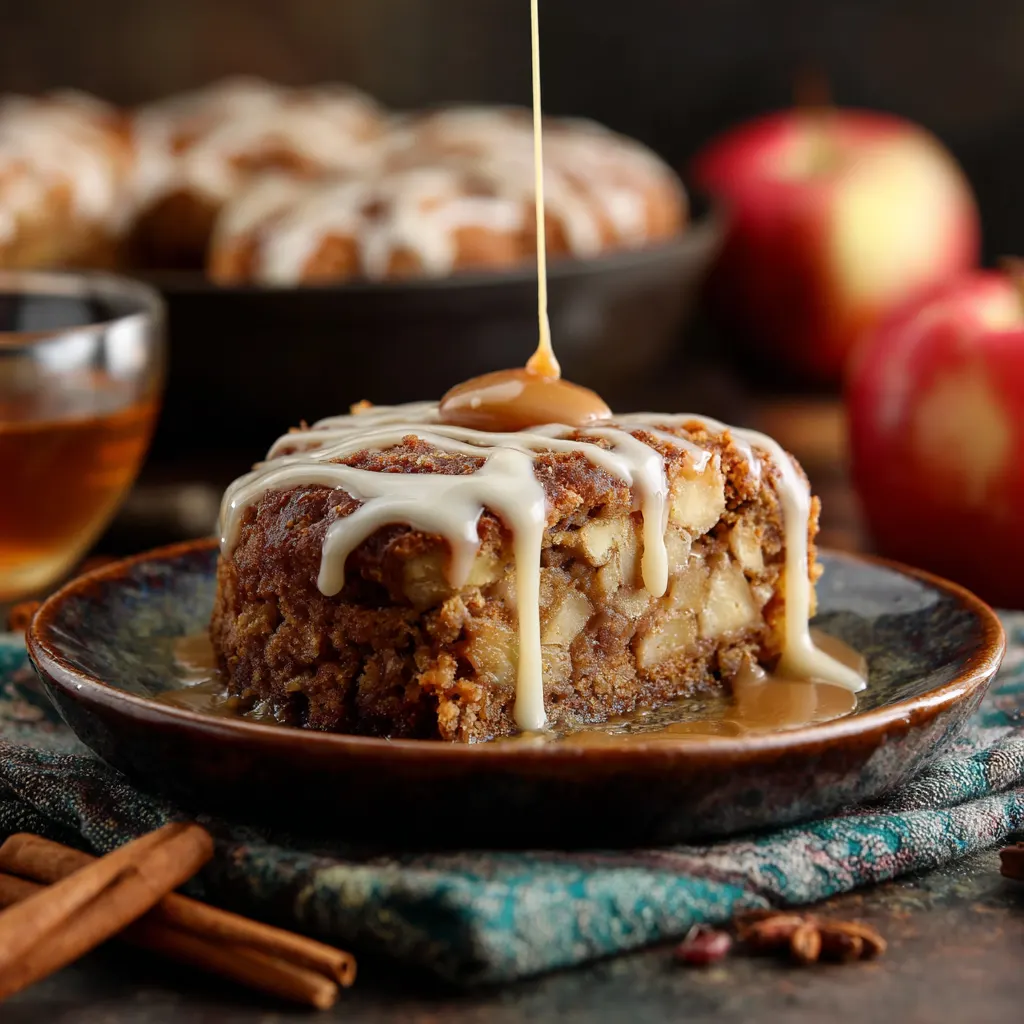
This recipe is the quintessential cool-weather comfort dessert, a cohesive fusion of spiced gingerbread warmth, the deep fruit notes of concentrated apple butter, and the light, pull-apart ease of a classic biscuit bake. More than just a simple dessert, it functions equally well as a decadent brunch centerpiece. The recipe takes advantage of readily available ingredients, layering the components to ensure every bite delivers a complex balance of spice, sweetness, and tender, buttery texture, culminating in a seasonal sensation that is both familiar and sophisticated.
Ingredients
For the Biscuits and Assembly:
-
2 (16.3 oz) cans refrigerated grand-size biscuit dough (8 biscuits per can, 16 total)
-
1 cup apple butter (high-quality, preferably spiced)
-
½ cup dark brown sugar, packed
-
¼ cup unsalted butter, melted
-
¼ cup molasses (dark or light, based on preference for intensity)
-
1 tablespoon ground ginger
-
1 teaspoon ground cinnamon, plus extra for dusting
-
½ teaspoon ground nutmeg
-
¼ teaspoon ground cloves
-
1 tablespoon vanilla extract
For the Optional Browned Butter Glaze:
-
4 tablespoons unsalted butter
-
1 cup powdered sugar, sifted
-
3–4 tablespoons milk or heavy cream
-
Pinch of sea salt
Instructions
Step 1: Prep the Dough and Baking Dish
Preheat your oven to 350°F (175°C). Grease and flour a 9×13 inch baking dish or, for a tighter presentation, a 10-inch Bundt pan. Open the refrigerated biscuit cans. Cut each of the 16 biscuits into four equal pieces, yielding 64 dough pieces.
Step 2: Prepare the Wet Mixture
In a medium, microwave-safe bowl, combine the ½ cup dark brown sugar and ¼ cup melted butter. Stir in the molasses, vanilla extract, ground ginger, cinnamon, nutmeg, and cloves until completely smooth. The mixture should be warm and well-blended.
Step 3: Coat the Biscuit Pieces
Transfer the cut biscuit dough pieces to a large mixing bowl. Pour the prepared spiced molasses-butter mixture over the dough. Using a rubber spatula or your hands, gently toss the biscuit pieces until they are evenly and thoroughly coated with the sauce.
Step 4: Layer the Bake
Arrange half of the coated biscuit pieces evenly in the prepared baking dish or Bundt pan. Drizzle ½ cup of the apple butter evenly over this first layer of dough. Add the remaining half of the biscuit pieces, distributing them over the apple butter. Finally, drizzle the remaining ½ cup of apple butter over the top layer of the biscuits.
Step 5: Bake
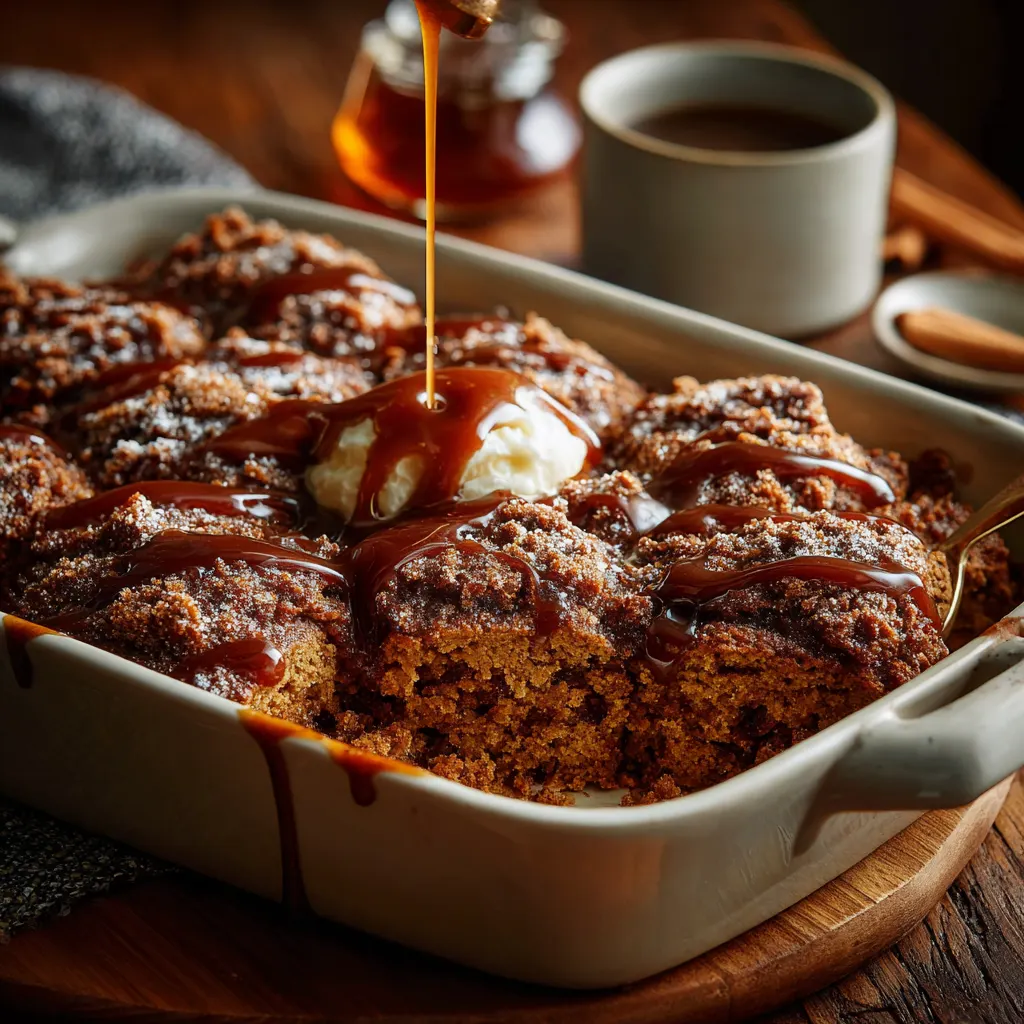
Bake for 35–45 minutes. If using a 9×13 inch dish, check for doneness around 35 minutes; if using a Bundt pan, check around 40 minutes. The bake is ready when the tops are deeply golden brown, the apple butter is bubbling, and a toothpick inserted into the center (avoiding the sticky sauce) comes out mostly clean. If the top begins to brown too quickly, lightly tent the dish with foil.
Step 6: Glaze and Serve (Optional)
While the bake is cooling, prepare the Browned Butter Glaze: Melt 4 tablespoons of butter in a small saucepan over medium heat, stirring frequently. Continue to cook until the milk solids separate and brown, releasing a nutty aroma (about 3–5 minutes). Remove from heat immediately. In a separate bowl, whisk the warm browned butter with the sifted powdered sugar and a pinch of salt. Add milk or cream one tablespoon at a time until the glaze reaches a thick, pourable consistency. Allow the biscuit bake to cool for 5–10 minutes, then drizzle the warm glaze generously over the top. Serve immediately.
Mastering the Three Pillars: Spice, Spread, and Structure
The remarkable depth of the Gingerbread Apple Butter Biscuit Bake lies in the harmonious interplay of its three namesake components: the spice blend, the fruit spread, and the underlying structure. Achieving an optimized result requires an understanding of how each element contributes to the final texture and flavor profile.
The Power of Gingerbread Spice: Gingerbread flavor is defined by a bold, balanced blend of spices. While ginger and cinnamon are mandatory, the addition of nutmeg, cloves, and allspice provides the characteristic complexity necessary for a truly professional result. The quality and freshness of these spices are paramount; stale ground spices will mute the flavor. The molasses in the recipe, which is often a key ingredient in traditional gingerbread, acts synergistically with the spices, providing both the signature dark color and a slightly smoky, mineral depth that cuts through the sweetness of the apple butter. For an extra layer of warmth, professional bakers sometimes incorporate a tiny pinch of black pepper or cardamom into the dry spice mix.
The Role of Apple Butter as a Spread: Apple butter is a concentrated, slow-cooked form of applesauce, distinguished by its deep, caramelized flavor and pectin-rich, jam-like texture. Unlike raw apples or simple applesauce, apple butter introduces profound moisture and a caramelized, complex sweetness to the bake, making it a critical ingredient for tenderness. It functions similarly to oil or applesauce in quick breads and cookies, keeping the crumb soft and moist long after baking. When selecting apple butter, a heavily spiced variety is ideal, as it reinforces the gingerbread profile. If using a less-spiced or homemade version, ensure additional cinnamon and ginger are folded into the apple butter itself to maximize flavor impact. Its viscosity is key: a thick, dark apple butter will create pockets of chewy, dark caramel, whereas a thinner sauce may simply absorb into the dough.
The Biscuit Structure and Integrity: The use of refrigerated biscuit dough simplifies the preparation while ensuring a reliably fluffy and layered structure—the hallmark of the “biscuit bake” category. When preparing the dough, it is crucial to handle the pieces gently to preserve their flakiness. Cutting the biscuits into small, uniform pieces maximizes the surface area for sauce absorption and ensures even cooking, turning the dish into a pull-apart delight. The dough needs sufficient fat (the melted butter mixture) to prevent it from drying out, while the apple butter serves as a protective layer, baking the dough pieces into soft, sweet knots rather than dense bricks.
Optimizing the Bake: Techniques for Perfection
Turning the simple ingredients into an exemplary Gingerbread Apple Butter Biscuit Bake requires attention to critical techniques, particularly concerning heat distribution, pan management, and preventing the dessert from becoming either dry or overly saturated.
Achieving Ideal Caramelization and Moistness: The primary goal is a caramelized exterior and a tender interior. This is best achieved by ensuring the dough pieces are well-coated before baking. The brown sugar and molasses mixture creates a high-sugar coating that rapidly caramelizes when exposed to heat, forming a sticky, flavorful glaze around each biscuit piece.
-
Pan Choice: A heavy-based, light-colored metal pan (like a standard 9×13 inch baking dish) or a non-stick Bundt pan is recommended. Dark-colored pans absorb more heat and can lead to the bottom and edges burning or becoming excessively hard before the center cooks through. If a dark pan must be used, reduce the oven temperature by 25°F (15°C) and monitor closely.
-
The Layering Technique: The strategic layering of the apple butter—both beneath the dough and on top—is intentional. The bottom layer of apple butter prevents the molasses mixture from sticking and burning directly to the pan, while the top layer bakes into a delightful, slightly crisp fruit film.
-
Preventing a Soggy Center: A common pitfall for bakes of this style is a soggy, undercooked center. To avoid this, ensure the oven is fully preheated and use the recommended pan size. If the center is taking too long, tenting the top with foil will reflect heat back toward the middle while preventing the exposed surfaces from over-browning. The center must reach a temperature where the starches set, confirming the structure is baked through.
The Importance of the Glaze: While delicious on its own, a professional finish often includes a glaze. The Browned Butter Glaze elevates the dish beyond a standard dessert. Browning the butter adds a nutty, toasted maillard flavor that complements the gingerbread spices and the caramel notes of the molasses. The glaze should be applied when the bake is still warm—not piping hot, but warm enough to slightly melt and seep into the crevices of the pull-apart dough, enhancing both the moisture and the overall aesthetic.
Seasonal Pairings and Creative Variations
The Gingerbread Apple Butter Biscuit Bake is inherently flexible, making it easy to adapt for different palates, dietary needs, and seasonal occasions.
Perfect Pairings and Serving Suggestions: This bake shines when served warm, preferably within an hour of coming out of the oven.
-
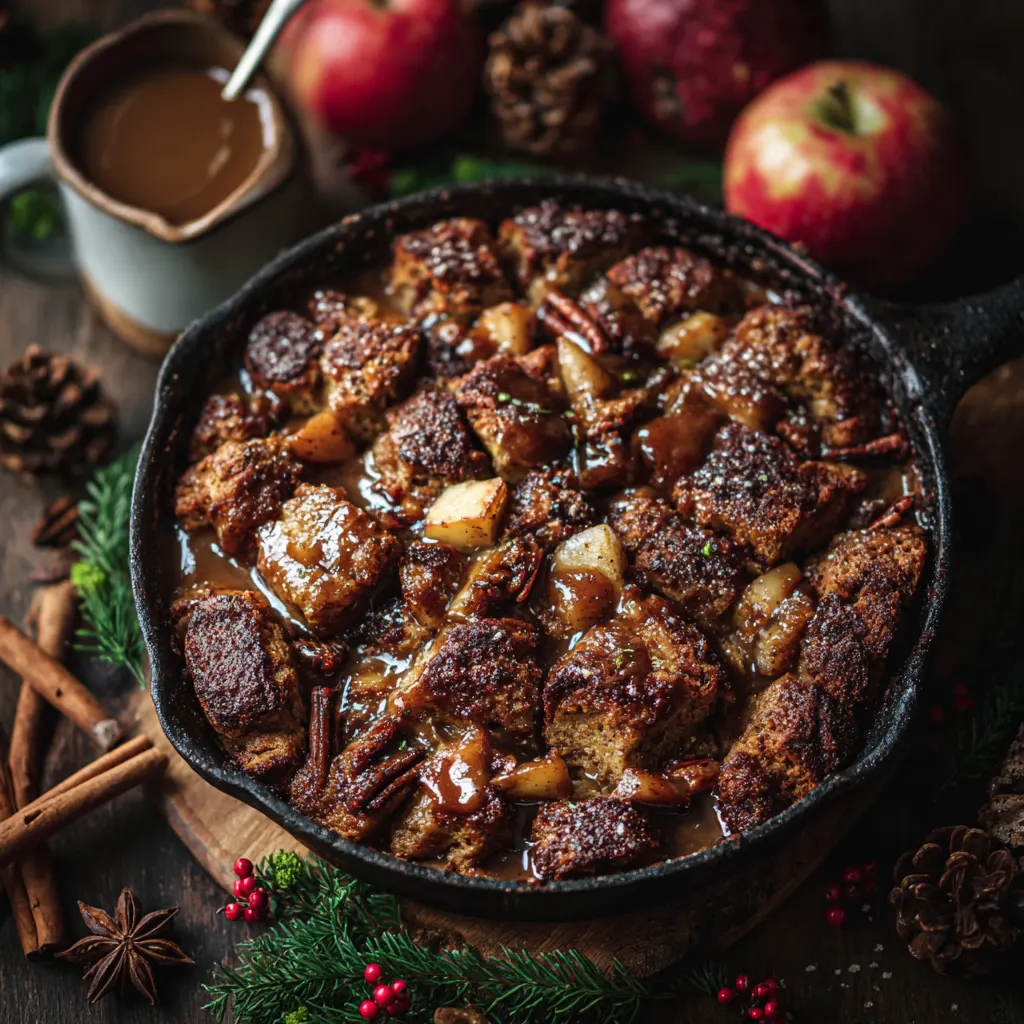
Toppings: The richness of the gingerbread and apple butter is beautifully balanced by a cool, creamy element. Traditional pairings include a scoop of vanilla bean ice cream, a dollop of fresh whipped cream, or a drizzle of warm, classic crème anglaise (custard). For a breakfast setting, a side of Greek yogurt or ricotta cheese provides a welcome tang.
-
Beverages: The deep, spiced flavor profile calls for beverages with complementary warmth and acidity. A strong, dark-roast coffee, a hot mug of spiced apple cider, or a dry, crisp cup of Earl Grey tea are excellent choices. For a richer pairing, a glass of tawny port or a spiced rum cocktail can be served alongside the dessert.
Creative Variations: The base recipe is robust enough to incorporate various additions without compromising its integrity.
-
Nutty Crunch: Toss 1/2 cup of chopped pecans or walnuts with the biscuit pieces before coating them in the spiced butter mixture. This adds a desirable crunch and deepens the overall flavor, a technique often utilized in crumbles and pies.
-
Fruit Enhancement: For a layer of freshness, finely chop one Granny Smith apple and scatter the pieces into the pan with the second layer of biscuit dough. The tartness of the Granny Smith will offer a welcome counterpoint to the sweetness of the apple butter and molasses.
-
Dietary Adaptations: The biscuit component can be substituted to accommodate dietary needs. For a gluten-free version, use a high-quality 1:1 gluten-free baking flour blend in a homemade drop biscuit recipe, or use pre-made gluten-free biscuit dough if available. The use of apple butter itself naturally replaces some of the need for fat, supporting moist, light textures in alternative flour baking.
The Enduring Appeal of Apple and Spice
The combination of apple and gingerbread is a cultural staple, tracing its history back through centuries of European and American baking traditions. The Gingerbread Apple Butter Biscuit Bake is a modern celebration of this timeless pairing, capturing the essence of the harvest season and the approaching winter holidays.
Gingerbread, with its potent spices, historically served as a warming and preserving element, becoming synonymous with festivals and colder months. Likewise, apples have been a backbone of late-season baking, celebrated for their versatility and storage capacity. The creation of apple butter—a method of preserving the apple harvest into a deeply flavored, shelf-stable spread—epitomizes the resourcefulness and appreciation for seasonal ingredients that define comfort food.
This particular “biscuit bake” format resonates because it marries complex flavor with simple, communal eating. It is a no-fuss dessert—or breakfast—that encourages gathering, with its pull-apart nature inviting shared enjoyment. The blend of rich molasses, bright ginger, and deep apple caramel offers a sensory nostalgia, delivering that unmistakable feeling of being home. It is a dish that speaks to tradition, making it a reliable and beloved centerpiece for any autumnal or winter table, ensuring its enduring appeal for generations to come.