

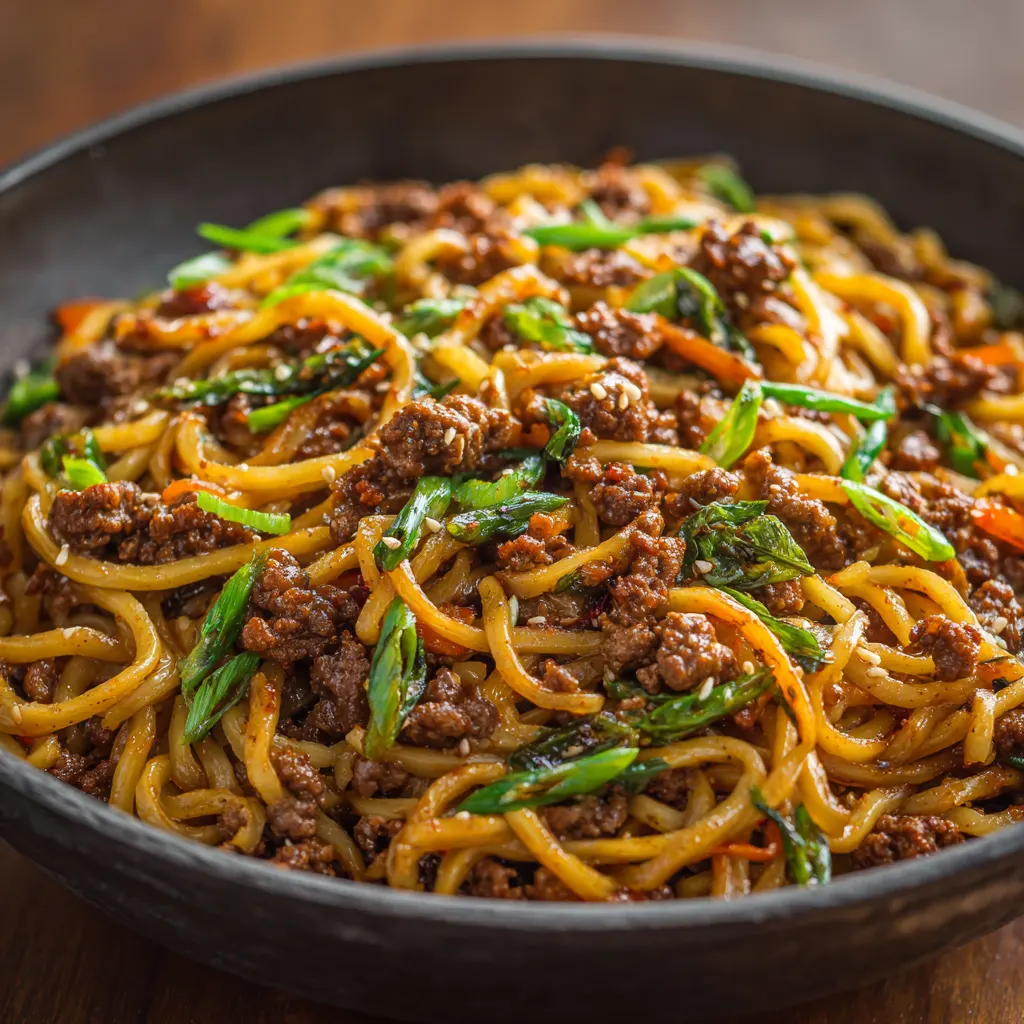
This dish takes the beloved flavors of sweet honey and pungent garlic, combines them with savory ground beef, and tosses the whole assembly with perfectly cooked noodles, creating a weeknight dinner that is faster and fresher than any takeout. A successful stir-fry is all about speed and heat, transforming simple, pantry-friendly ingredients into a glossy, flavorful masterpiece in under 30 minutes. This recipe is designed for maximum flavor saturation, ensuring every bite of beef and every strand of noodle is coated in a sticky, irresistible sauce, making it an ideal choice for busy cooks seeking an optimized, crowd-pleasing meal.
Ingredients
For the Honey Garlic Sauce:
-
½ cup Low-sodium soy sauce (or Tamari for gluten-free)
-
½ cup Honey
-
¼ cup Beef stock or water
-
2 tablespoons Unseasoned rice vinegar
-
1 tablespoon Oyster sauce (optional, for maximum umami)
-
2 teaspoons Cornstarch (or cornflour)
-
1 teaspoon Sesame oil (toasted)
-
Optional: 1-2 teaspoons chili garlic sauce or sriracha for heat
For the Stir-Fry:
-
1 pound Lean ground beef (85/15 or 90/10)
-
1 tablespoon Neutral oil (canola, vegetable, or avocado oil)
-
4-5 cloves Garlic, minced
-
1 tablespoon Fresh ginger, grated
-
1 medium Yellow onion, sliced
-
2 cups Shredded cabbage (green or napa)
-
1 large Carrot, cut into thin matchsticks
-
1 Red bell pepper, thinly sliced
-
12 ounces Dried egg noodles, ramen, or lo mein noodles
-
2-3 Scallions (green onions), chopped, white and green parts separated
-
Salt and black pepper to taste
-
Optional Garnish: Toasted sesame seeds, reserved green scallion tops
Step-by-Step Instructions
1. Prepare the Noodles and Sauce: Bring a large pot of salted water to a boil. Cook the noodles according to package directions, but aim for slightly less than al dente (about 1 minute shy of the suggested time), as they will continue cooking in the sauce. Drain the noodles and rinse briefly under cool water to prevent sticking, then set aside. While the water is boiling, whisk together all the Sauce ingredients (soy sauce, honey, beef stock, rice vinegar, oyster sauce, cornstarch, sesame oil, and chili if using) in a medium bowl until the cornstarch is completely dissolved.
2. Brown the Ground Beef: Heat 1 tablespoon of neutral oil in a large wok or high-sided skillet over medium-high heat. Add the sliced onion and the white parts of the scallions. Sauté for 2 minutes until fragrant. Add the ground beef and cook, breaking it up with a wooden spoon, until it is completely browned and no pink remains, typically 5-7 minutes. Season lightly with salt and pepper. Drain off any excess grease, leaving only a thin coating of fat in the pan.
3. Sauté the Aromatics and Vegetables: Add the minced garlic and grated ginger to the pan with the beef. Sauté for about 60 seconds until fragrant, being careful not to burn the garlic. Next, add the carrots, red bell pepper, and shredded cabbage. Stir-fry constantly for 3-4 minutes until the vegetables are tender-crisp—they should retain a pleasant crunch.
4. Finish the Dish with Sauce and Noodles: Give the honey garlic sauce a quick re-whisk, as the cornstarch may have settled. Pour the sauce directly into the center of the skillet. Bring the mixture to a rapid simmer, stirring constantly. The sauce will thicken quickly and become glossy due to the cornstarch. Once thickened, add the pre-cooked noodles and the remaining green parts of the scallions (reserving some for garnish). Using tongs, toss everything vigorously until the noodles, beef, and vegetables are evenly coated in the rich, sticky sauce.
5. Serve and Garnish: Cook for just 1 minute more to allow the noodles to absorb the flavors and finish cooking. If the sauce becomes too thick, stir in a splash of the reserved noodle cooking water (if you saved it) or a tablespoon of water. Transfer the stir-fry immediately to serving bowls. Garnish generously with toasted sesame seeds and the reserved green scallion tops. Serve hot.
The Anatomy of a Perfect Stir-Fry: Technique and Tools
Achieving the authentic texture and intense flavor of a professional stir-fry requires adhering to specific culinary principles, primarily focusing on high heat and proper preparation, or mise en place. Unlike stewing or braising, stir-frying is a rapid-fire technique that requires constant attention.
Mastering the High-Heat Technique
The defining characteristic of a great stir-fry is the wok hei, a subtle smoky flavor imparted by a very hot pan. While a traditional rounded wok over a jet burner is ideal, you can replicate this effect successfully at home using a large, heavy-bottomed cast-iron skillet or a flat-bottomed carbon steel wok over your largest burner.
-
Heat is Essential: Always heat your pan first, until it is smoking slightly, before adding the oil. Then, heat the oil until it shimmers. This prevents sticking and ensures ingredients sear quickly rather than steam.
-
Cook in Stages: Because ground beef and vegetables have different cooking times, and because crowding the pan lowers the temperature, ingredients should be added in a specific order:
-
Aromatics (Garlic/Ginger): Add them after the beef has browned and the excess fat is drained. This prevents them from burning in the high heat needed for the beef.
-
Beef/Protein: Always cook the protein first, remove it, and then proceed with the vegetables. However, for ground beef, it’s often more efficient to drain the fat and keep the browned beef in the pan, adding the vegetables next.
-
-
The Ground Beef Advantage: Ground beef naturally provides fat and flavor, but it can quickly turn into a dull, steamed mixture if not handled correctly. Use high heat to encourage browning and caramelization, which develops the deep, savory notes essential for the dish. Drain the fat if there is an excessive amount (more than a tablespoon or two) to prevent a greasy final product.
The Power of Mise en Place
The success of any stir-fry hinges on preparation. Once the cooking starts, you won’t have time to chop or measure.
-
Chop Uniformly: Ensure all vegetables are cut into thin, uniform pieces (matchsticks, thin slices) so they cook evenly in the short time frame.
-
Whisk the Sauce Completely: The cornstarch in the sauce must be fully dissolved and re-whisked right before pouring it into the hot pan. This ensures the sauce thickens smoothly and creates that signature glossy coating without lumps.
Crafting the Ultimate Honey Garlic Sauce: Balancing Sweet, Savory, and Umami
The Honey Garlic sauce is the heart of this noodle dish. Its complex flavor profile relies on a perfect balance of four key elements: sweetness, saltiness, tang, and umami.
The Science of Flavor Balance
-
Sweetness (Honey): Honey provides a distinct floral, sticky sweetness that caramelizes beautifully when reduced. The amount can be adjusted based on preference, but it’s crucial for balancing the salty soy sauce. For an extra layer of flavor, consider using brown sugar or maple syrup as a partial substitute.
-
Saltiness and Umami (Soy Sauce & Oyster Sauce): Low-sodium soy sauce is preferred to allow control over the dish’s salt level. The oyster sauce is an optional but highly recommended addition. It is a potent source of natural umami, depth, and a slight metallic richness that elevates the sauce from simple sweet-and-sour to restaurant-quality savory.
-
Tang (Rice Vinegar): Rice vinegar cuts through the richness of the beef and the sweetness of the honey, preventing the dish from tasting heavy or cloyingly sweet. It brightens the entire flavor profile.
-
Thickening for Gloss: The cornstarch is non-negotiable for an optimized stir-fry. When dissolved in liquid and heated, it creates a slurry that thickens the sauce rapidly and gives it a desirable, shiny gloss that clings to the ground beef and noodles rather than sitting thinly at the bottom of the bowl.
Customization and Optimization
For cooks looking to fine-tune the sauce, consider these strategic additions:
-
A Hint of Heat: The addition of chili (like Sambal Oelek, Sriracha, or even Korean Gochugaru) is a classic way to balance sweetness. A small amount adds depth without overwhelming the honey-garlic core flavor.
-
Aromatic Boost: For a darker, more complex flavor, use a tablespoon of dark soy sauce in addition to the light soy sauce. Dark soy sauce is primarily used for color and flavor, adding richness without excessive saltiness.
-
Velveting the Beef (Advanced Technique): While usually reserved for sliced beef, a small amount of baking soda can be tossed with the ground beef before cooking. This helps tenderize the meat, a process known as “velveting,” ensuring a supremely tender texture even with ground meat. Use no more than ½ teaspoon for one pound of meat and rinse the meat slightly before cooking.
Beyond the Basics: Optimized Ingredient Swaps and Healthy Additions
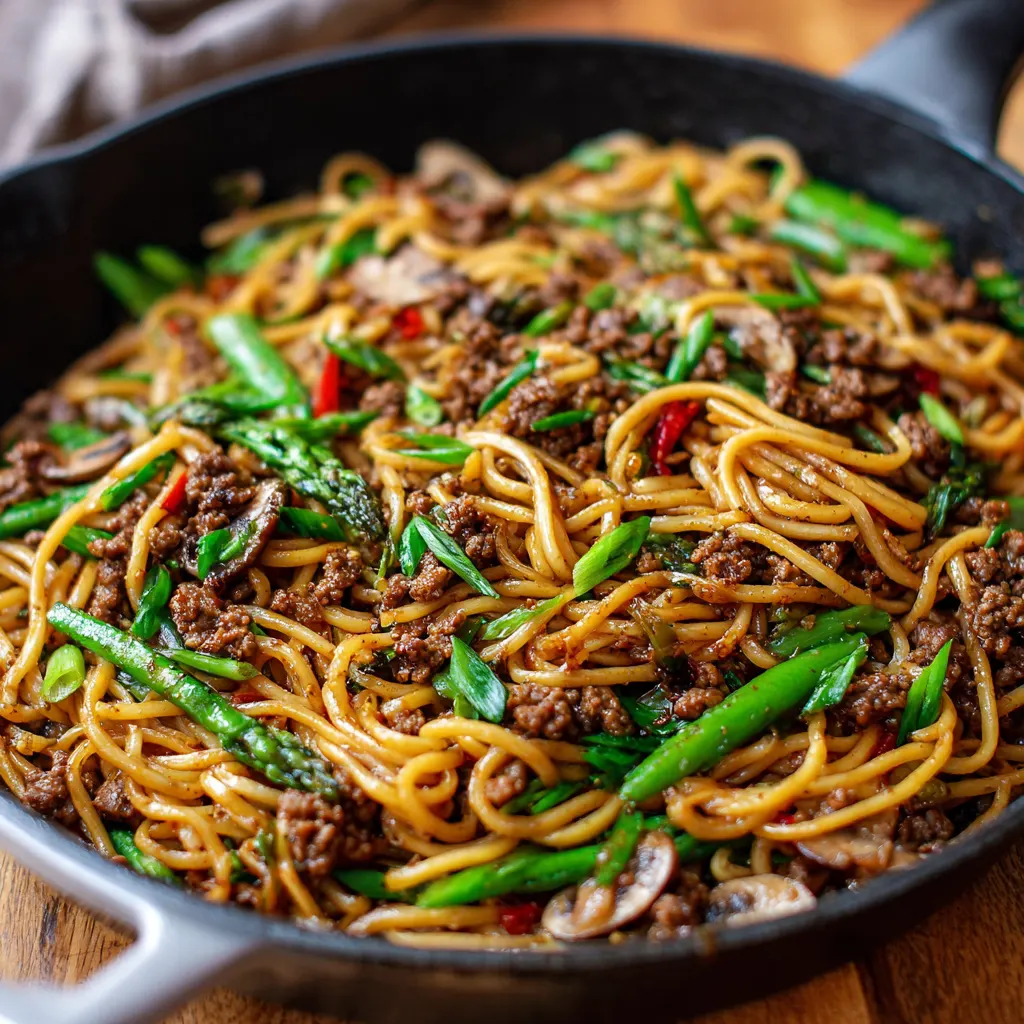
This flexible stir-fry framework allows for easy customization, ensuring you can adapt the dish to dietary needs, seasonal ingredients, or whatever you happen to have in your pantry.
Protein Alternatives
While ground beef is the star of this recipe, the honey garlic sauce pairs exceptionally well with other ground proteins, maintaining the quick cooking time and flavor absorption.
-
Ground Turkey or Chicken: Both are excellent lean substitutes. Ensure you use slightly more oil when cooking, as they have a lower fat content and can dry out quickly.
-
Plant-Based Mince: Products like textured vegetable protein (TVP) or meat-alternative crumbles work perfectly. Since they require little to no cooking, simply rehydrate them (if necessary) and toss them into the pan just before the sauce, allowing them to absorb the rich flavors.
-
Tofu: If opting for tofu, use extra-firm variety. Cube it, toss it in a tablespoon of cornstarch, and pan-fry separately until crispy before adding it back in at the end.
Noodle Selection Guide
The type of noodle significantly affects the dish’s texture and mouthfeel.
-
Lo Mein or Dried Egg Noodles: These are the most traditional choice, offering a chewy, springy texture that holds up well under the thick sauce.
-
Udon Noodles: Thick, white, and wonderfully chewy. They soak up the sauce beautifully and add substance to the meal. Pre-cooked packages are the fastest option.
-
Ramen Noodles (Dried): Use the plain noodle blocks (discarding the seasoning packets). They cook quickly and separate easily once coated in the sauce.
-
Rice Noodles: For a lighter, gluten-free option, use flat rice stick noodles (pad Thai style) or vermicelli, soaking them in hot water until tender, rather than boiling.