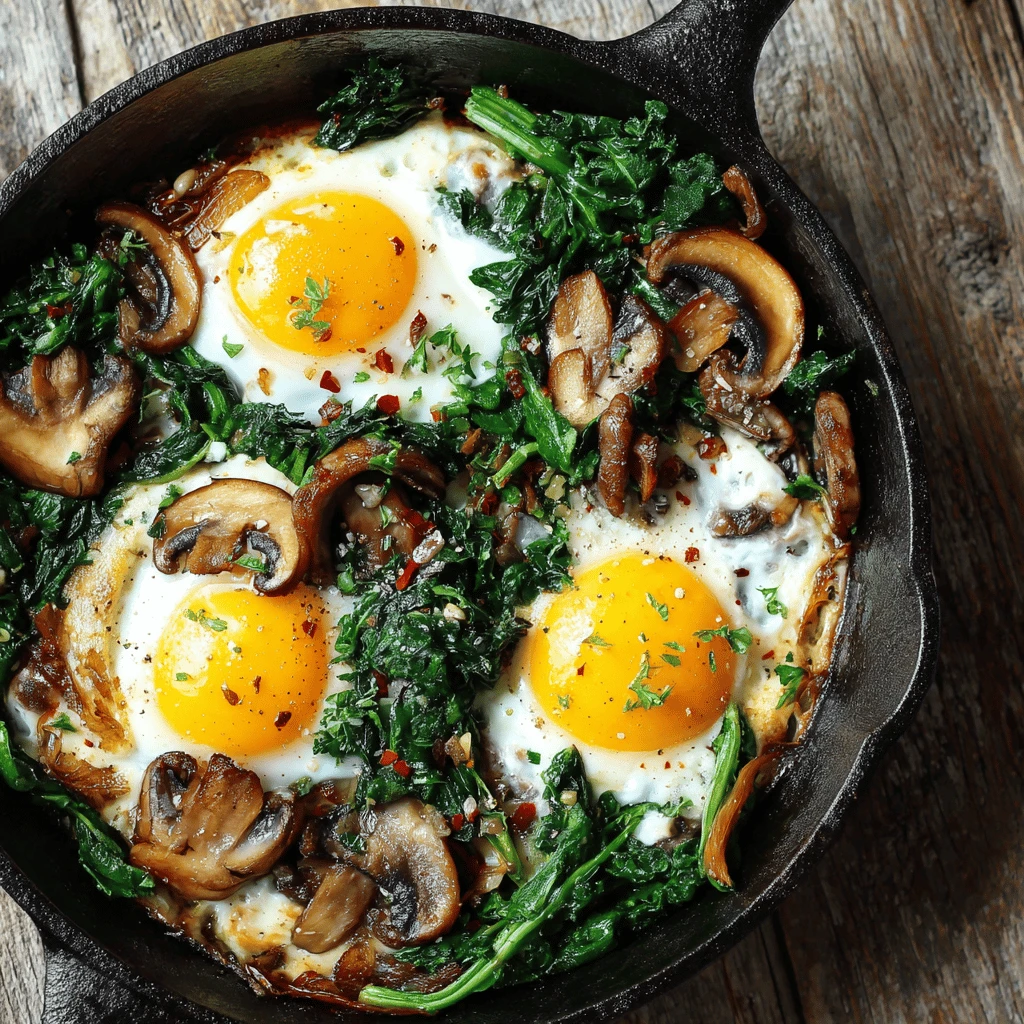
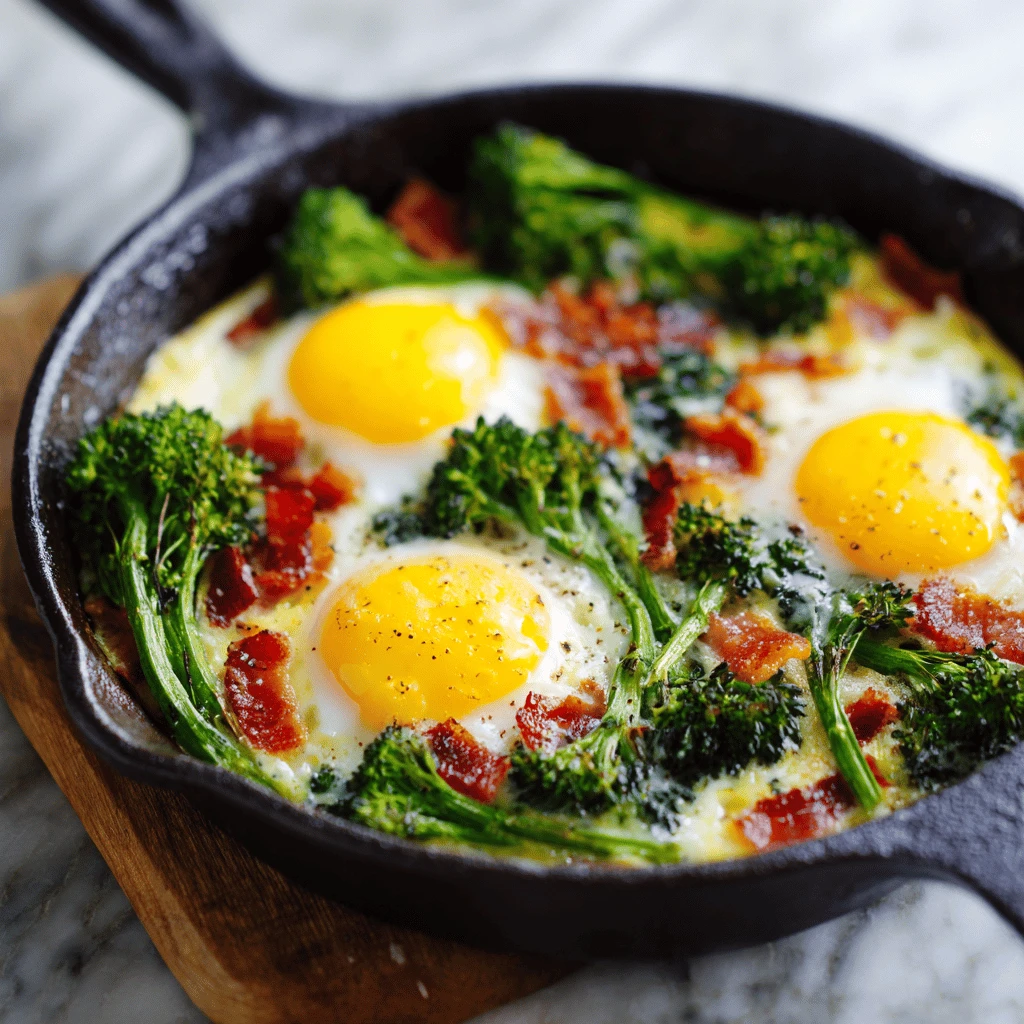
Healthy Low Carb Eggs Skillet
Eggs are a breakfast staple for a reason: they’re versatile, packed with protein, and relatively inexpensive. But when you’re watching your carbohydrate intake, traditional breakfast options like toast and sugary cereals are off-limits. That’s where the healthy low carb eggs skillet comes in. This one-pan wonder is not only quick and easy to make, but it’s also packed with flavor and nutrients, making it the perfect start to your day or a satisfying any-time meal.
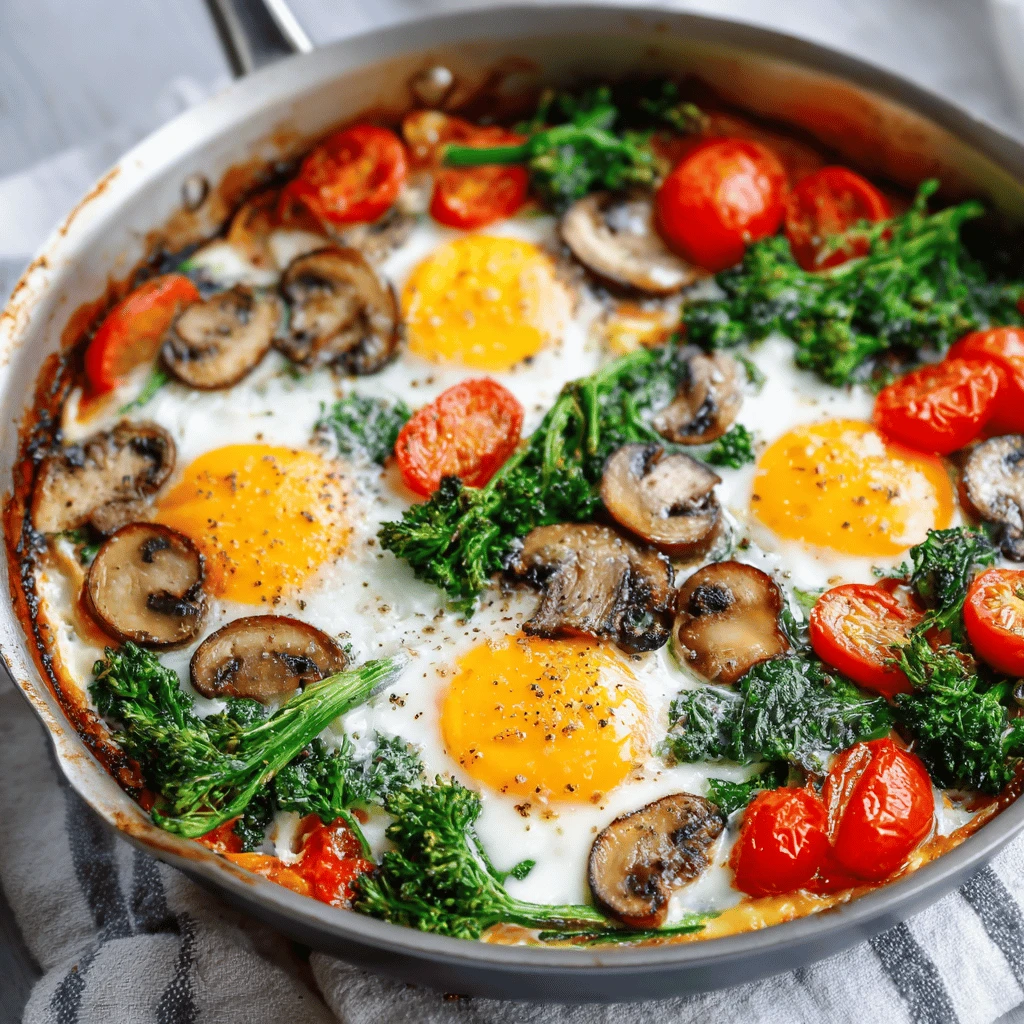
Why Choose a Low Carb Eggs Skillet?
Adopting a low-carbohydrate diet offers a range of potential health benefits. For some, it can lead to weight management, improved blood sugar control, and increased energy levels. A low carb eggs skillet fits seamlessly into this lifestyle by providing a protein-rich, nutrient-dense meal without the carb overload. Here’s why it’s a great choice:
- High Protein: Eggs are a complete protein source, providing all nine essential amino acids your body needs.
- Healthy Fats: The fats in eggs and added ingredients like avocado oil or cheese contribute to satiety and can support hormone production.
- Nutrient-Rich: Eggs are a good source of vitamins and minerals, including vitamin D, choline, and selenium.
- Customizable: The beauty of a skillet recipe is its adaptability. You can easily swap out ingredients to suit your taste preferences and dietary needs.
- Quick & Easy: One-pan cooking means minimal cleanup, making it ideal for busy mornings or weeknight dinners.
Building Your Perfect Low Carb Eggs Skillet
The key to a delicious and healthy low carb eggs skillet is selecting the right ingredients and using the right cooking techniques. Here’s a step-by-step guide to help you create a masterpiece every time:
1. Choosing Your Base Vegetables
The vegetable base forms the foundation of your skillet and adds essential vitamins, minerals, and fiber. Opt for low-carb options like:
- Spinach: Adds a mild flavor and is packed with vitamins A and K.
- Bell Peppers: Available in various colors, bell peppers provide a sweet and slightly tangy flavor, along with vitamin C.
- Mushrooms: Offer an earthy flavor and a good source of B vitamins.
- Onions: Add a savory flavor and a touch of sweetness.
- Zucchini: Mild in flavor and a good source of vitamin C.
- Broccoli or Cauliflower: Chop finely for even cooking.
Preparation Tip: Chop your vegetables into bite-sized pieces for even cooking. Sauté them in a skillet with healthy fat (such as avocado oil, olive oil, or coconut oil) until they are tender-crisp. Season with salt, pepper, and any other spices you enjoy.
2. Adding Protein & Flavor
Once your vegetables are cooked, it’s time to add some protein and depth of flavor. Consider these low-carb options:
- Cooked Sausage: Choose sausage that is low in added sugars and carbohydrates. Breakfast sausage or chorizo can add a delicious savory element.
- Bacon: Crispy bacon bits are a classic addition to any eggs dish.
- Diced Ham: Adds a salty and smoky flavor.
- Shredded Chicken: Use leftover cooked chicken or rotisserie chicken for a quick and easy protein boost.
- Ground Beef or Turkey: Browned and seasoned ground meat adds a hearty element to the skillet.
Flavor Boosters: Don’t be afraid to experiment with spices and herbs. Garlic powder, onion powder, smoked paprika, chili powder, cumin, and Italian seasoning are all great choices. You can also add a splash of hot sauce for a kick.
3. The Egg-cellent Finale
Now for the star of the show: the eggs! There are several ways to cook your eggs in the skillet:
- Scrambled: Whisk the eggs with a splash of milk or cream (almond milk for a dairy-free option) and pour them over the vegetables and protein. Cook, stirring occasionally, until the eggs are set but still slightly moist.
- Fried: Create small wells in the vegetable mixture and crack an egg into each well. Cook until the whites are set and the yolks are cooked to your liking.
- Poached: Similar to fried, create small wells, but add a tablespoon of water to each before cracking in the egg. Cover the skillet and steam until the eggs are poached.
Cheese Please: Sprinkle shredded cheese over the skillet during the last few minutes of cooking. Cheddar, mozzarella, Monterey Jack, and pepper jack are all good options.
4. Garnishing for Perfection
The final touch is adding garnishes that elevate the flavor and presentation of your skillet. Consider these options:
- Fresh Herbs: Chopped parsley, chives, or cilantro add a fresh and vibrant touch.
- Avocado: Diced avocado adds creamy texture and healthy fats.
- Sour Cream or Greek Yogurt: A dollop of sour cream or Greek yogurt adds tanginess and creaminess.
- Hot Sauce: For those who like a spicy kick, a drizzle of hot sauce is a must.
- Everything Bagel Seasoning: Adds a savory and flavorful crust.
Variations and Customization Options
The beauty of the low carb eggs skillet lies in its versatility. Here are a few variations to inspire you:
- Mediterranean Skillet: Use spinach, feta cheese, olives, sun-dried tomatoes, and Italian seasoning.
- Mexican Skillet: Use bell peppers, onions, chorizo, pepper jack cheese, and salsa. Top with avocado and sour cream.
- Italian Skillet: Use mushrooms, Italian sausage, mozzarella cheese, and marinara sauce.
- Spicy Southwest Skillet: Use jalapenos, black beans (in moderation), cheddar cheese, and chili powder. Top with salsa and guacamole.
- Bacon and Broccoli Cheddar Skillet: Use bacon, broccoli florets, cheddar cheese, and a touch of Dijon mustard.
Feel free to swap out ingredients based on your preferences and what you have on hand. The possibilities are endless! Just make sure to keep the carbohydrate count in mind.
Tips for Success
- Use a non-stick skillet: This will prevent the eggs from sticking and make cleanup a breeze.
- Don’t overcrowd the skillet: If you’re making a large batch, cook the vegetables in batches to ensure even cooking.
- Pre-cook any raw meats: Make sure any sausage, bacon, or ground meat is fully cooked before adding it to the skillet.
- Season generously: Don’t be afraid to experiment with different spices and herbs to find your favorite flavor combinations.
- Adjust cooking time based on your preference: Cook the eggs to your liking, whether you prefer them runny or fully cooked.
- Meal Prep: This skillet can be prepped ahead of time. Cook the vegetables and protein, then store them in the fridge. When you’re ready to eat, simply add the eggs and cook.
Frequently Asked Questions
Is eggs skillet healthy?
Yes, a well-balanced eggs skillet can be very healthy. It’s a great source of protein, healthy fats, and essential nutrients. Focus on using plenty of vegetables and lean protein sources, and avoid adding excessive amounts of cheese or processed ingredients.
How many carbs are in an eggs skillet?
The carbohydrate content of an eggs skillet will vary depending on the ingredients you use. However, by using low-carb vegetables and avoiding starchy additions like potatoes or bread, you can easily keep the carb count below 10-15 grams per serving.
What goes well with eggs skillet?
While the skillet itself is a complete meal, you can pair it with a small side salad for extra greens or a few slices of avocado for added healthy fats. If you are not on a strict low-carb diet, a side of berries can also be a good addition.
Can I make an eggs skillet ahead of time?
Yes, you can definitely prep the vegetables and protein ahead of time. Store them in an airtight container in the refrigerator for up to 3 days. When you’re ready to eat, simply add the eggs and cook.
How do I keep my eggs from getting watery in the skillet?
To prevent watery eggs, avoid overcooking them. Cook them until they are just set but still slightly moist. Also, avoid adding too much liquid to the skillet.